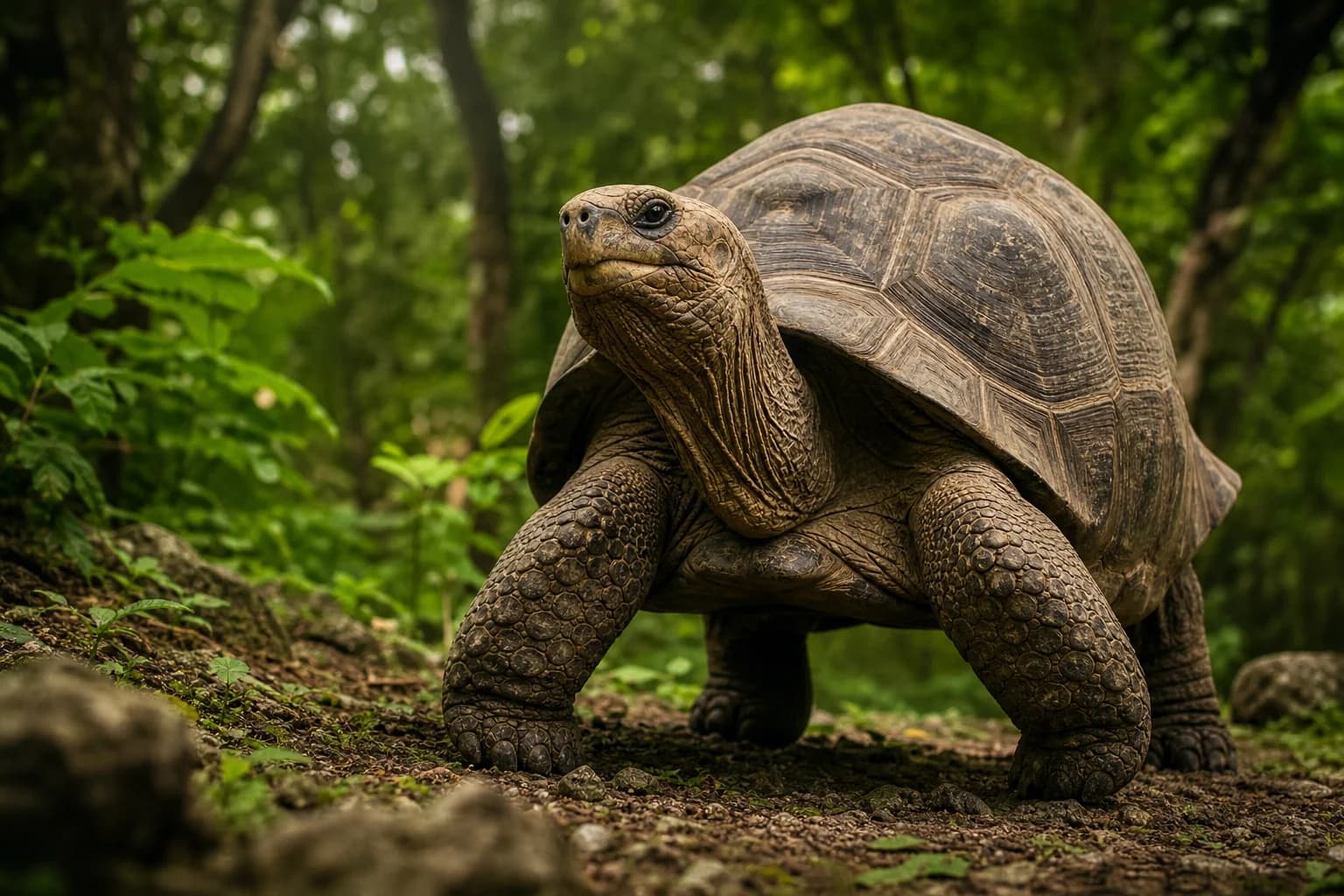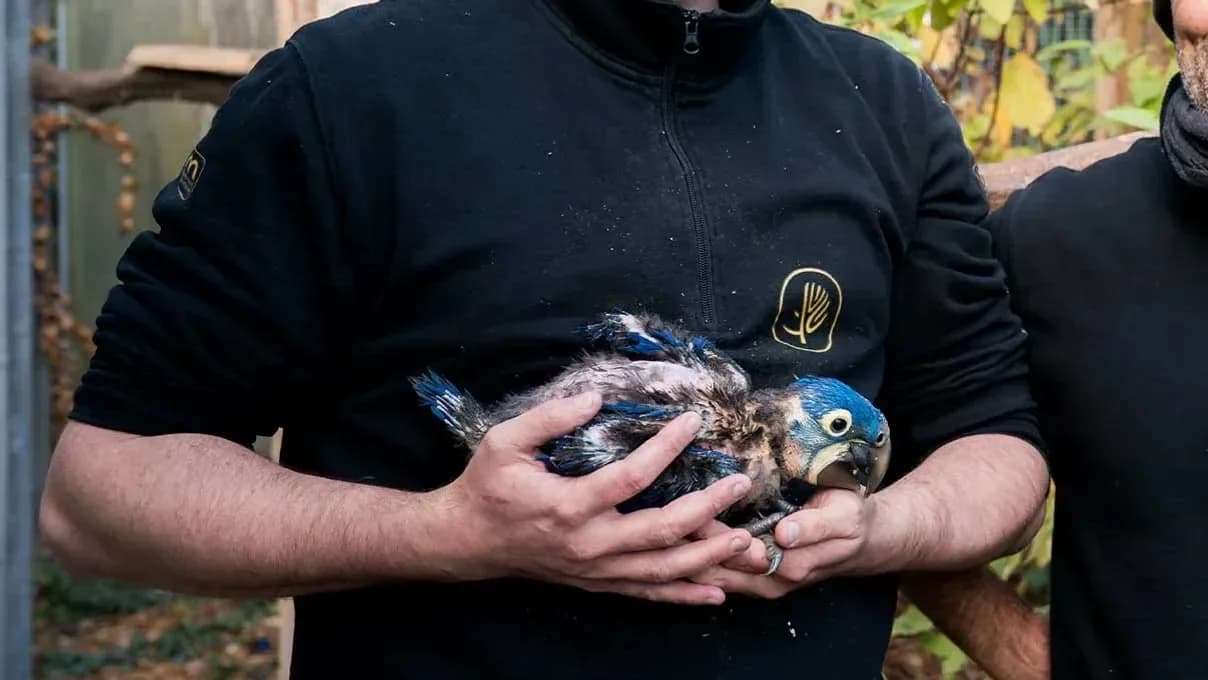

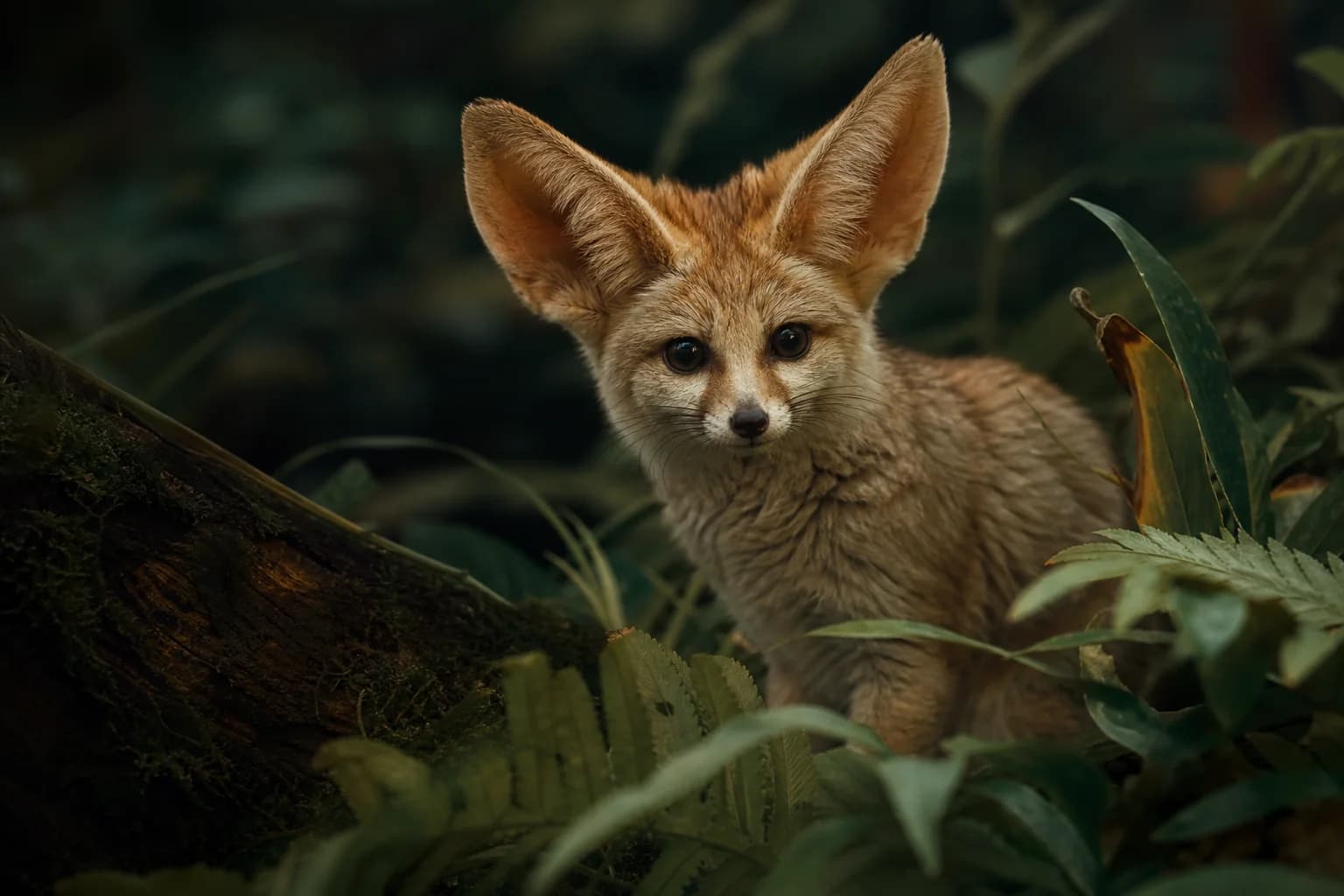
Millions of exotic animals, ranging from parrots to reptiles and primates, are traded in Europe every year. Although lucrative, this trade has serious consequences, including animal suffering, wildlife trafficking, the spread of disease and the invasion of non-native species. Vets and animal welfare experts have long highlighted the challenges of meeting these animals' biological and behavioural needs in captivity.
The case for a positive list to regulate the trade
To tackle these problems, the European Commission is proposing the introduction of an EU-wide positive list. This list would clearly set out which species may be traded and kept as pets, based on a rigorous assessment of their welfare needs, as well as the risks they pose to public health and biodiversity. Rather than reacting to problems once they arise, this preventative approach could help reduce the risks associated with keeping exotic animals.
A legal framework taking shape
A feasibility study recently carried out by the European Commission has highlighted the benefits of such a system. It also confirms its legal basis and stresses the importance of taking into account the cross-border risks created by the current regulations, which are fragmented across the EU. Indeed, a species that can be legally sold in one country may be banned in another, creating legal uncertainty for traders and consumers alike.
Although the study concludes that current data do not justify creating an exhaustive positive list covering every species, it paves the way for the system to be rolled out gradually. This distinction is crucial, as it allows for a reform tailored to the specific characteristics of each species.
Progress already made
It's worth noting that Europe isn't starting from scratch. The Netherlands, for example, has already carried out scientific assessments of hundreds of mammal species, using a methodology that has been recognised by the courts since May 2026. This national experience, combined with decades of scientific research, provides a solid foundation for the EU to draw on when developing its own regulatory framework.
Growing calls for harmonised regulation
Alongside this study, further research commissioned by the Commission looked at reducing demand for illegally sourced exotic animals. It explicitly recommends adopting harmonised legislation that shifts the burden of proving an animal's sustainability onto traders and sellers, rather than consumers. This approach aims to strengthen traceability and enforcement of animal trade regulations.
Eurogroup for Animals, an animal rights organisation, has welcomed these recommendations. However, it points out that these measures alone will not fix a fundamental weakness in the current system: restricting certain species can simply push the trade towards less regulated, and often less studied, animals.
A call to action for swift reform
With public support for harmonised positive lists on the rise, Eurogroup for Animals is urging the European Commission to press ahead in this direction. The findings of the feasibility study should be used as a basis for closing the gaps in evidence, not as an excuse to delay the reforms that are needed. Nick Clark, Wildlife Programme Lead at Eurogroup for Animals, said that if regulation only focuses on species that have already caused problems, we risk facing the same challenges decades from now, just with different animals. He stressed that the cost of this reactive approach is borne by citizens, public services, biodiversity and the animals themselves.
In conclusion, the need to reform the exotic animal trade in Europe has never been more pressing. The challenges posed by this growing sector, and its impact on animal welfare, public health and biodiversity, call for swift, coordinated action at EU level. Introducing a positive list could be a key step towards more effective regulation that respects the needs of animals and the environment alike.