Scientists combined morphological data with genetic analyses of eleven primate species to identify these new evolutionary lineages. Published in the journal Communications Biology, the research brings the total number of known howler monkey species to sixteen.
How geography shaped their evolution
The study's findings reveal that the split between these monkeys and their closest relatives dates back 19 to 13 million years. The researchers highlighted the crucial role played by major waterways, such as the Amazon, Xingu and Branco rivers, in the evolution of these primates. These rivers acted as impassable barriers, preventing populations from mixing over time.
While the monkeys are able to cross small streams, the great rivers permanently isolated groups, driving them to develop unique characteristics over time. This geographical dynamic has shaped the diversity of local wildlife in ways that cannot be undone.
Introducing the new species
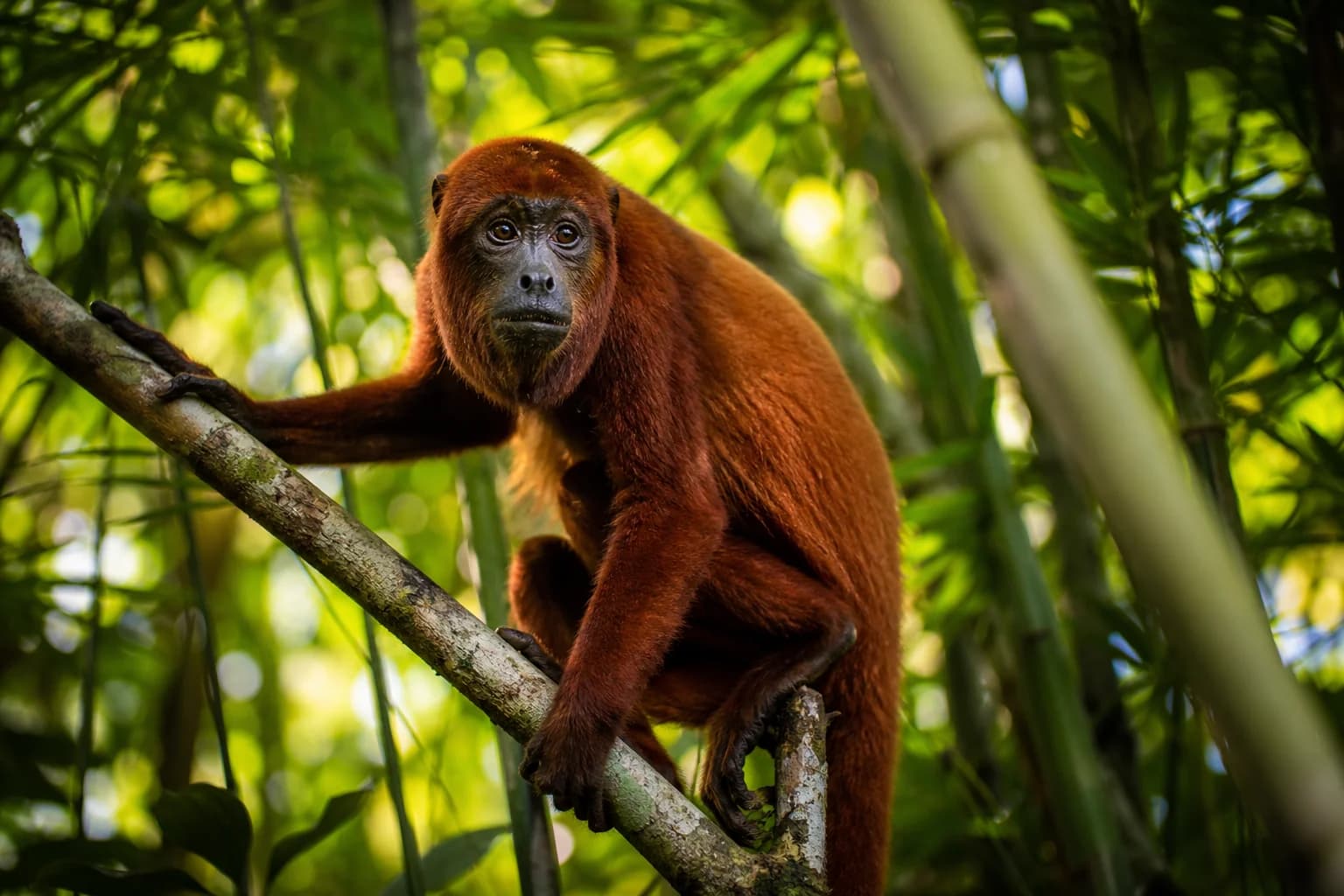
The two new species, named Alouatta iroi and Alouatta matogrossensis, stand out for their vivid red fur and particularly thick beards. The monkeys' facial expressions have also intrigued researchers observing them in the field. Beyond these physical traits, the study has reshaped our understanding of the South American primate family tree, revealing that some species thought to be closely related actually have distinct ancestors.
A warning sign for biodiversity
This discovery comes at a critical moment for the Amazonian ecosystem, already under threat from deforestation, climate change and habitat loss. Many species could disappear before they are even identified by science. Researchers stress the urgent need to act to protect the most vulnerable populations and prevent their imminent extinction. It remains essential to keep exploring this biodiversity-rich region, which still holds many biological secrets.