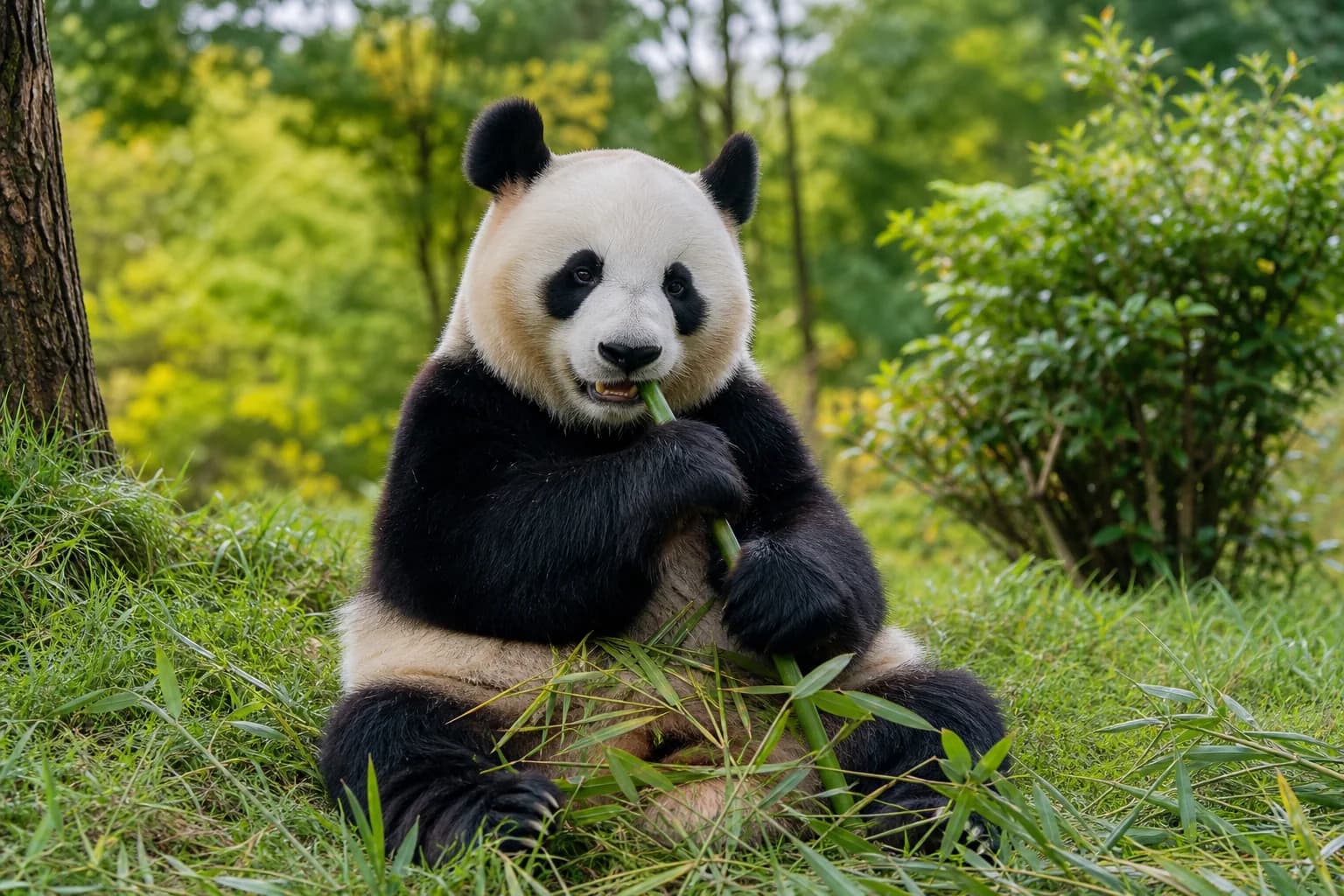
Ten years ago, the giant panda came off the endangered species list. In 2016, the International Union for Conservation of Nature reclassified it from "endangered" to "vulnerable", after more than twenty-five years in the most alarming category. Behind this reclassification lies one figure: 1,864 pandas counted in the wild.
A reclassification confirmed in 2016
The news broke at the IUCN World Conservation Congress in September 2016. The giant panda, classed as "endangered" since 1990, moved into the vulnerable category. The symbolism is striking: the animal that has been WWF's emblem since 1961 became a textbook conservation success story. It remains under threat, but one notch less than before.
1,864 pandas, up from 1,114 in the 1980s
The turning point comes down to numbers. In the 1980s, Chinese surveys found only around 1,114 left. Thirty years on, the fourth national survey, published in 2015, counted 1,864 in the wild, almost all of them in the mountains of Sichuan and Shaanxi. A two-thirds increase, measured on the ground, valley by valley.
Why the trend reversed
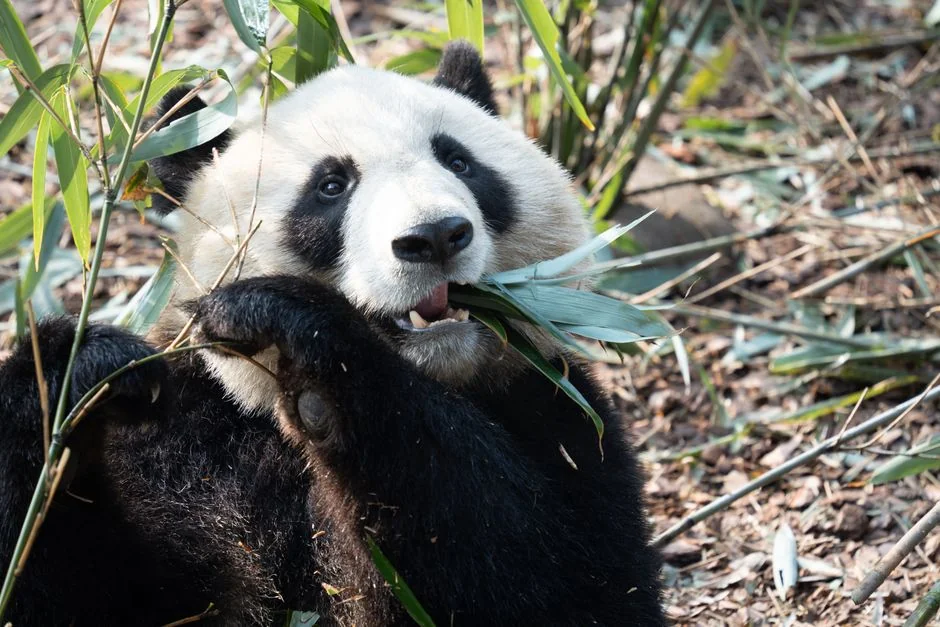
China began by protecting the habitat. A moratorium on deforestation in 1998, a large-scale reforestation programme, then a network of reserves linked by forest corridors: by 2009, the country already had 67 reserves dedicated in part to the panda. Fewer forests nibbled away, more bamboo, and populations able to move around and breed again. Nothing flashy about the method, but it worked.
Beauval, the only French zoo to have kept giant pandas
In France, the story plays out in just one place. ZooParc de Beauval, in the Loir-et-Cher, is the only French zoo to have hosted giant pandas. Huan Huan and Yuan Zi arrived there in January 2012, on loan from China. Their son Yuan Meng, born on 4 August 2017, was the first panda ever born in France, before moving on to a breeding centre in Chengdu in July 2023. Beauval Nature, the park's charitable fund, finances conservation programmes for the species in the field.
Where to see pandas in France in 2026
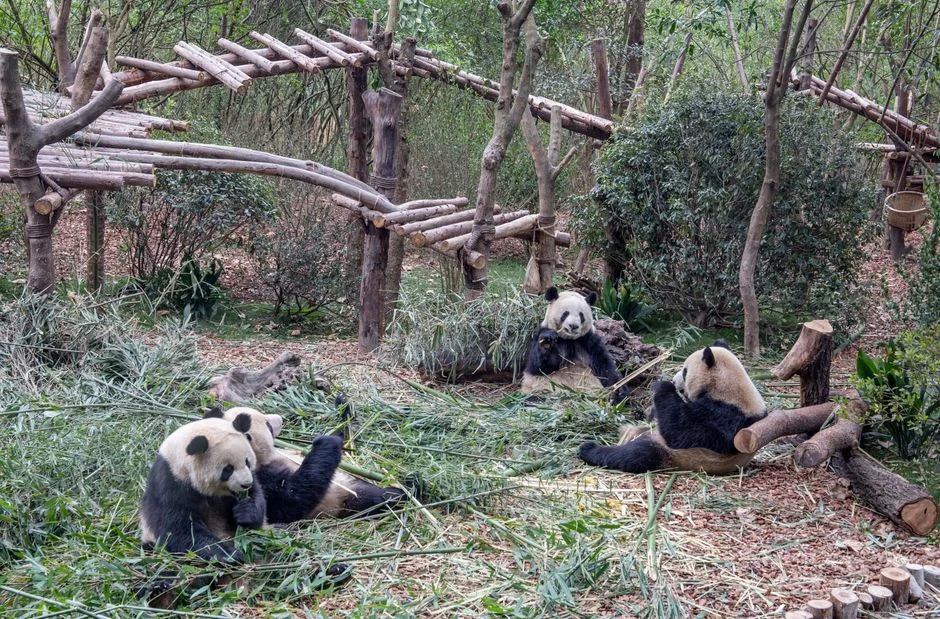
The original pair have packed their bags: Huan Huan and Yuan Zi headed back to China on 25 November 2025, after thirteen years in France.
Their twins, Yuandudu and Huanlili, born on 2 August 2021, remain. These two females can still be seen at Beauval until January 2027, before they too make the move to China.
A new pair is expected at the park in 2027, under a renewed agreement. To help plan your visit, the zoo's practical guide and our overview of France's animal parks set the pace.
Vulnerable still means fragile
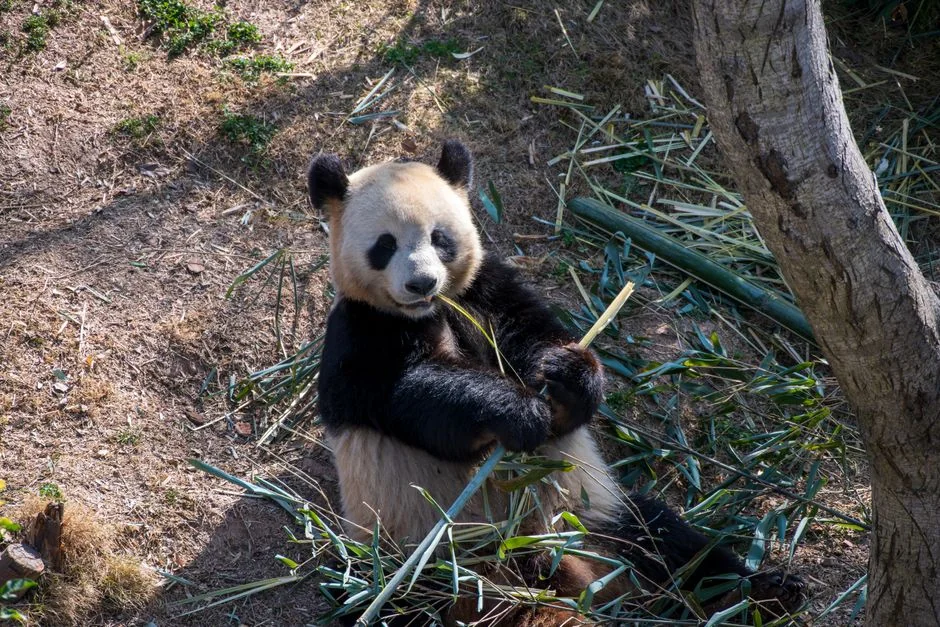
The classification has changed, but the underlying danger hasn't. The IUCN warns that global warming could destroy more than 35% of the panda's bamboo forests by the end of the century, and bamboo makes up most of its diet. The giant panda has shown that a species can turn things around when given back its territory. The challenge now is not to take it away again.