The trial of a vast network suspected of trafficking protected wild birds opens on 18 November before the Cahors criminal court, in the Lot department. A dozen defendants, including the Parc animalier des Pyrénées and its founder, will stand trial for actions that have shocked environmental campaigners.
A trafficking network spanning several departments
It all began in April 2015 with an anonymous tip sent to the Cahors public prosecutor's office, denouncing the illegal capture and keeping of protected wild birds. Gendarmes and officers from the Office national de la chasse et de la faune sauvage (ONCFS) then launched an investigation that revealed the existence of a structured network. The offences, said to have taken place between September 2012 and March 2018, are alleged to have affected several departments, including the Lot and the Hautes-Pyrénées, with ramifications stretching as far as Belgium.
According to the evidence gathered, three individuals are believed to be behind the operation. The first, an 82-year-old retiree from Labastide-Marnhac, is alleged to have caught the birds using traps and Japanese nets without authorisation. These birds were then handed over to a 59-year-old Belgian man, the owner of a bird shop, who resold them to collectors. The third man, a 56-year-old hunter, is said to have played a key role, advising and supplying the network while forging documents.
Cruel methods used to capture the birds
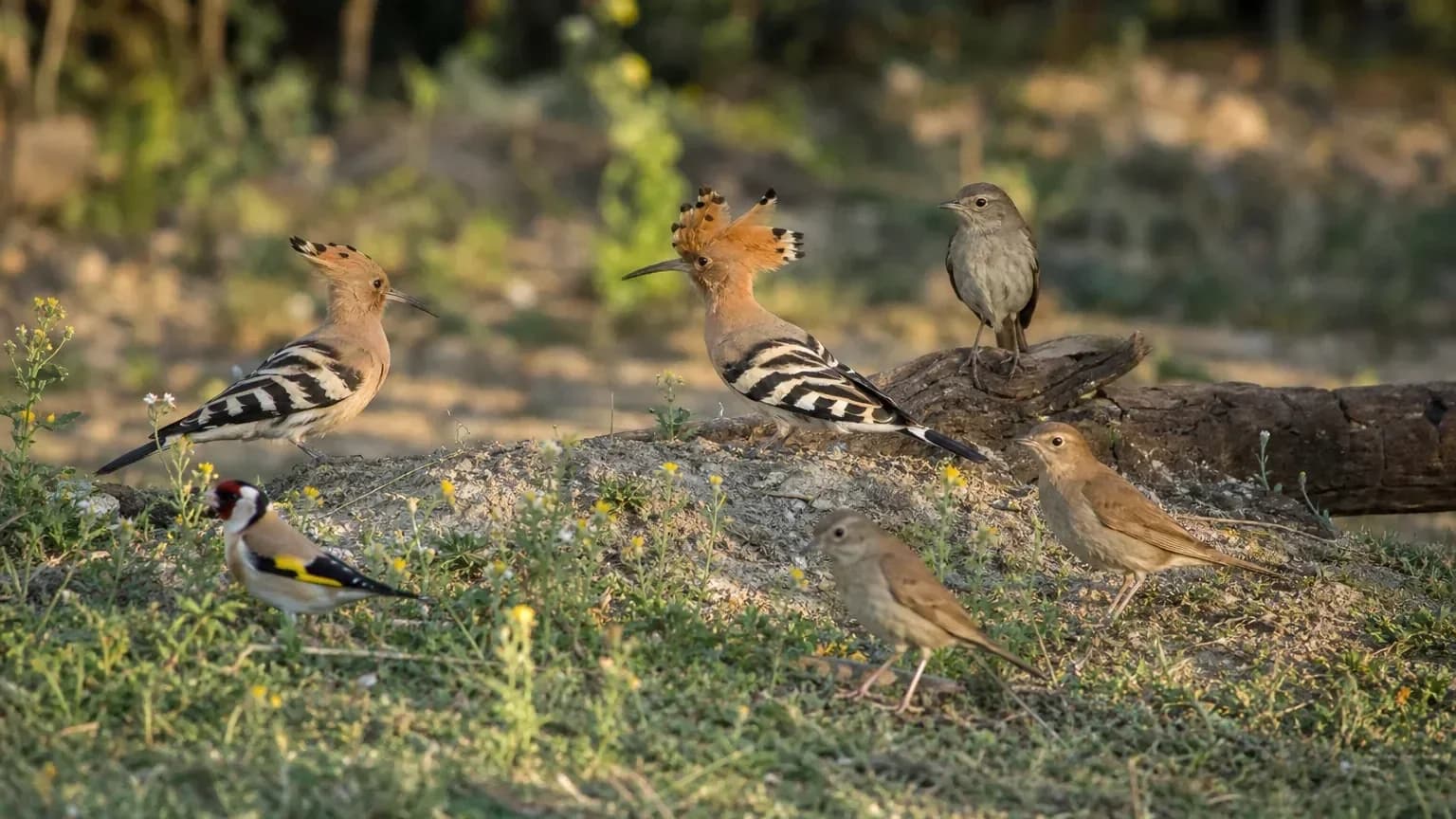
The birds targeted by this trafficking were prized for their colourful plumage and melodious song. They included species such as goldfinches, hoopoes and nightingales, all of which are protected by law. The alleged poachers are said to have used illegal methods, including banned traps and nets. In extreme cases, some birds were mutilated to be used as bait to lure other birds.
To conceal the illegal origin of the birds, fraudulent practices were allegedly used, such as removing rings and fitting transponders taken from dead birds. In February 2017, a joint operation between France and Belgium led to around thirty searches, resulting in the seizure of 430 birds, numerous traps, vehicles, and a sum of cash. Some of the birds caught up in this trafficking were found dead, according to the Stéphane Lamart association, a civil party in the case.
The Parc animalier des Pyrénées at the heart of the case
The Parc animalier des Pyrénées, founded in 1999 by Serge Mounard in Argelès-Gazost, is one of the most high-profile aspects of this case. Home to more than 500 animals from 120 species across 14 hectares, the park presents itself as committed to wildlife conservation. However, it is under suspicion, accused of having acquired birds originating from the trafficking network.
It is alleged that, with the help of a keeper, the origin of these birds was concealed by fitting electronic microchips and forging documents. The birds were then presented to the public as having been born in captivity. Serge Mounard has admitted to receiving stolen goods, explaining that he simply wanted to replenish his bird populations, which had suffered losses. However, he denies any involvement in organised trafficking, with his lawyer arguing that their role has been exaggerated.
A lucrative trade behind a passion for birds
The prosecution's allegations highlight that this trafficking served both to satisfy bird enthusiasts and to generate illegal profits. According to the investigation, one of the defendants is said to have sold 250 nightingales for a total of €87,000 over three years. In addition, criminal assets estimated at €600,000 were seized during operations to dismantle the network.
Worrying delays to the trial
Originally scheduled for 19 June 2025, the trial has been postponed on several occasions, notably at the request of the lawyer for one of the main defendants, who cited health issues linked to his advanced age. This postponement has raised concerns among the civil parties, particularly as two defendants have already died, and several others have already been tried under simplified procedures. The fear of losing further defendants as time passes is palpable, as a France Nature Environnement lawyer pointed out.
Associations mobilised in defence of wildlife
Several associations have joined the case as civil parties, including France Nature Environnement Midi-Pyrénées, the Ligue pour la protection des oiseaux (LPO) and the Stéphane Lamart association, which is calling for severe penalties in response to the gravity of the acts committed. The chairman of the latter denounced the violent capture methods and the stress inflicted on the birds, calling for greater awareness of the consequences of such trafficking.
This trial, set to be a key moment in the fight against trafficking in protected animals, highlights the vulnerability of wildlife in the face of illegal and unethical practices. The proceedings opening in Cahors are being closely watched, both by nature conservationists and by those working in the animal park sector.