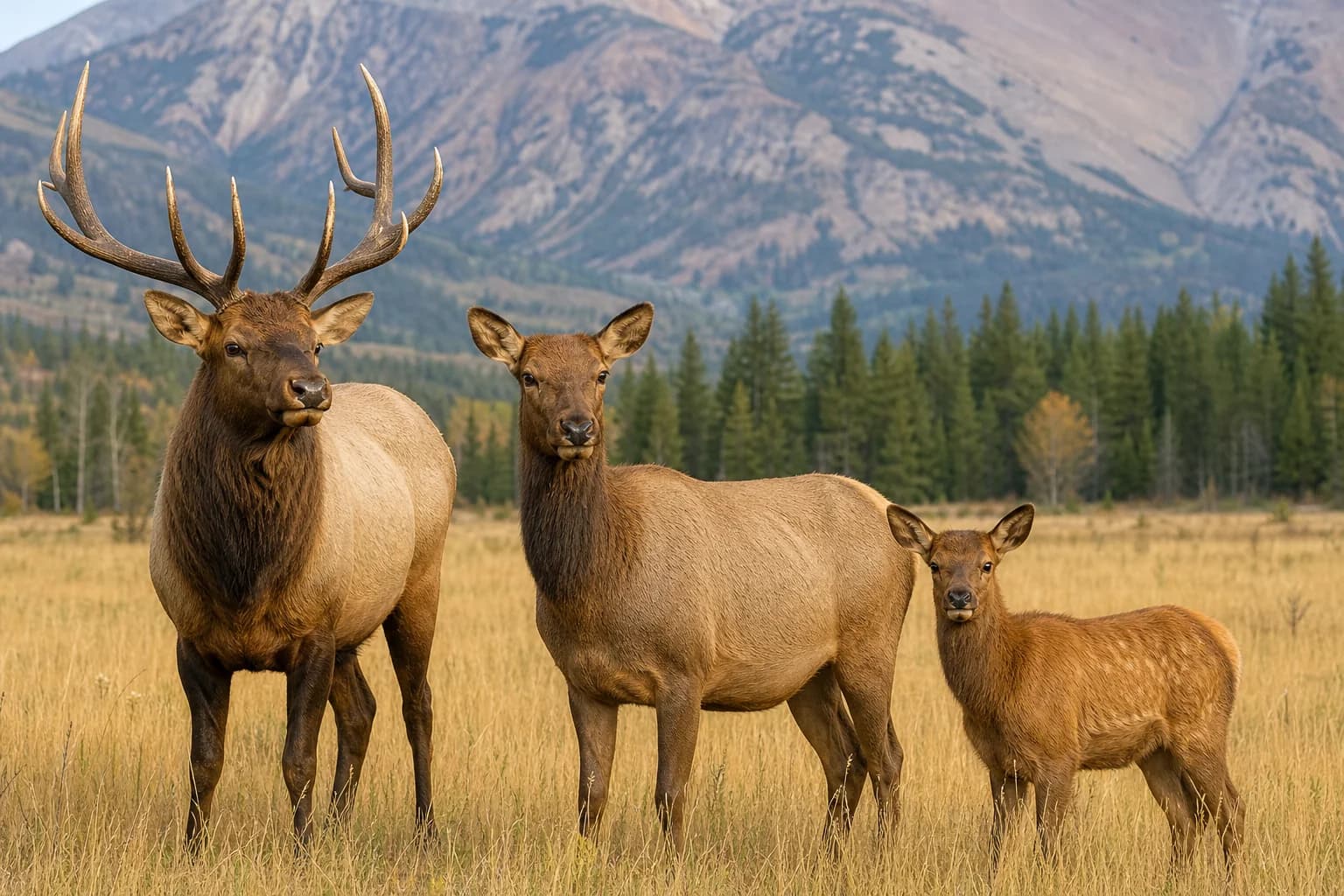
The reintroduction of elk to Kentucky began in 1997, after the species had disappeared from the state due to overhunting and habitat destruction. Between 1997 and 2002, a total of 1,541 elk, sourced from six western US states, were released across a vast area of almost 17,000 km². This territory, a mix of forests, farmland and rehabilitated former coal mines, proved an ideal setting for their return.
A habitat suited to population growth
The former coal mines, now turned into grasslands, provide generous grazing space for the elk. The animals also find shelter in the surrounding woods, while mild winters and the scarcity of predators have supported their breeding. According to the Kentucky Department of Fish and Wildlife Resources, the state's elk population has now surpassed 10,000 individuals, making Kentucky home to the largest elk herd east of the Mississippi.
Ecological and economic benefits
This reintroduction has not only helped restore part of the local biodiversity but has also brought positive economic spin-offs. Elk watching and hunting activities generate around five million dollars a year for the region's economy. The reintroduction programme also supplies elk to other American regions, contributing to the conservation of the species nationwide.
However, this ecological success has its limits. The reintroduced elk are not the original subspecies, the eastern elk, which is extinct. The animals present today belong to the Rocky Mountain subspecies. Moreover, while the grasslands created from former mines have allowed the elk population to thrive, they remain ecologically less rich than the natural forests of the past.
Overall, the return of elk to Kentucky is an example of conservation success, but it also highlights the complexity of efforts to rehabilitate nature. While progress has been made, nature has not fully regained its original balance.