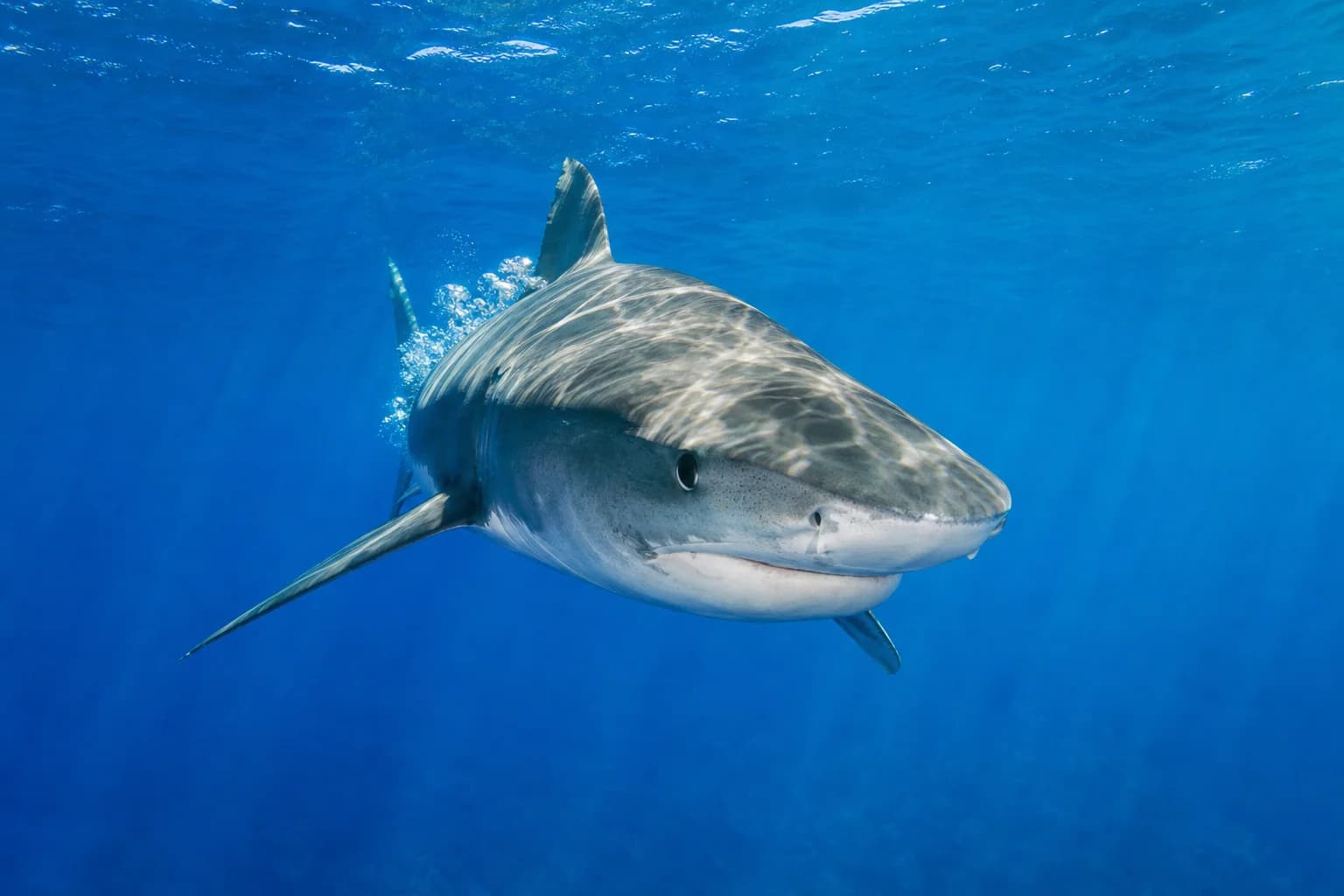
False for most sharks. Only the great open-water swimmers, such as the great white shark, have to keep moving at all times to push water over their gills: this is known as active ventilation. Many other species pump water through their mouths instead and rest motionless on the seabed.
"If it stops, it sinks": where the myth comes from
The idea has been around for decades: a motionless shark is supposedly a dead shark. It stems from a partial truth. Sharks have no swim bladder, the gas-filled organ that keeps other fish suspended in open water. Their buoyancy instead relies mainly on an enormous liver packed with light oil. So in open water, a shark that stops all effort will eventually sink slowly. From there to actually dying, though, is a leap the legend makes a little too quickly.
Active ventilation: swimming to breathe
To breathe, a shark pushes water over its gills, which extract oxygen from it. Open-water species, such as the mako, the whale shark or the great white shark, rely on active ventilation: they swim with their mouths slightly open to force water to flow through. Stop that movement, and the flow stops with it. For these tireless swimmers, which often lack spiracles, staying still really does mean suffocating. The legend is true, but only for them.
Nurse sharks rest on the seabed
Many sharks tell quite a different story. The nurse shark, the whitetip reef shark and angel sharks spend hours lying on the sand. They actively pump water using their jaw muscles, and some draw it in through a spiracle, a small opening behind the eye that comes in handy when the snout is buried in sand. Even more surprisingly, grey reef sharks, long thought incapable of stopping, have been filmed resting beneath corals. The line between the two breathing methods seems far more flexible than once believed.
Do sharks actually sleep?
Science is only just starting to find out. In 2022, a study published in Biology Letters monitored seven draughtsboard sharks in New Zealand over 24 hours. After five minutes of inactivity, their metabolism dropped and their bodies flattened out, two signs of restorative rest.
"The sharks showed a dramatic drop in metabolism and a clear change in posture."
That said, it bears little resemblance to mammalian sleep: no closing eyelids, no identified dream phases. Sharks seem to rest mainly to save energy, and the subject remains widely debated.
Where to see sharks in France
You don't need to cross the Pacific to see them. Many aquariums in France feature dogfish, nurse sharks and small reef sharks, often seen resting motionless at the bottom of their tanks, just as they would in the wild. Several animal parks also have marine areas, and our nature outing ideas can help you plan your visit. Take a close look at the bottom of the tank: a shark lying there isn't just being lazy, it's simply breathing at its own pace.