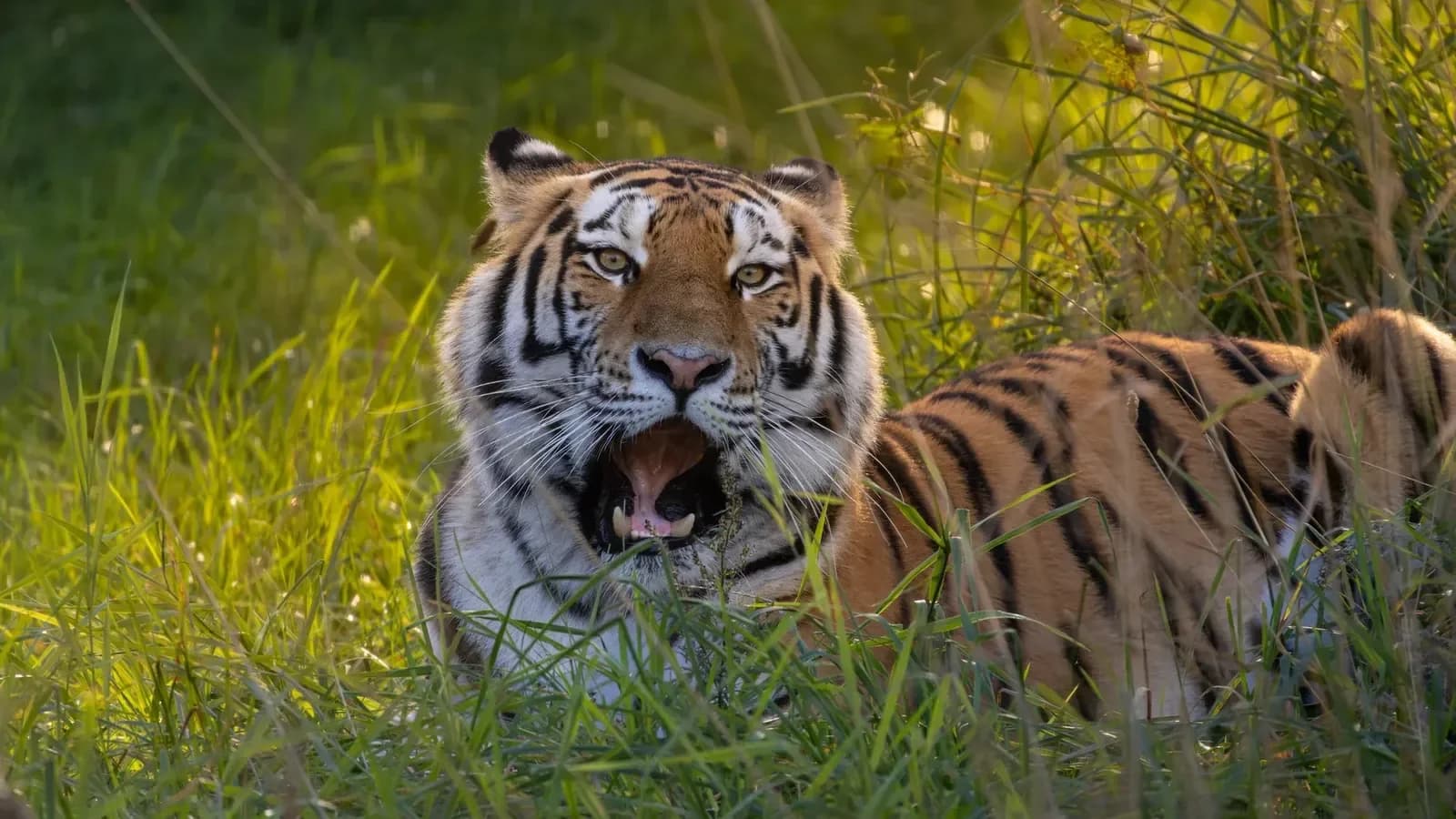
The circumstances surrounding the death of a visitor at Yorkshire Wildlife Park are still being investigated. According to local sources, the victim had asked a couple to capture a photo of him alongside Altai, a Siberian tiger.
Following the tragedy, the park announced on social media that it would not be putting the animal down, a decision that has stirred fierce debate in the media and across social platforms.
Reactions to the incident
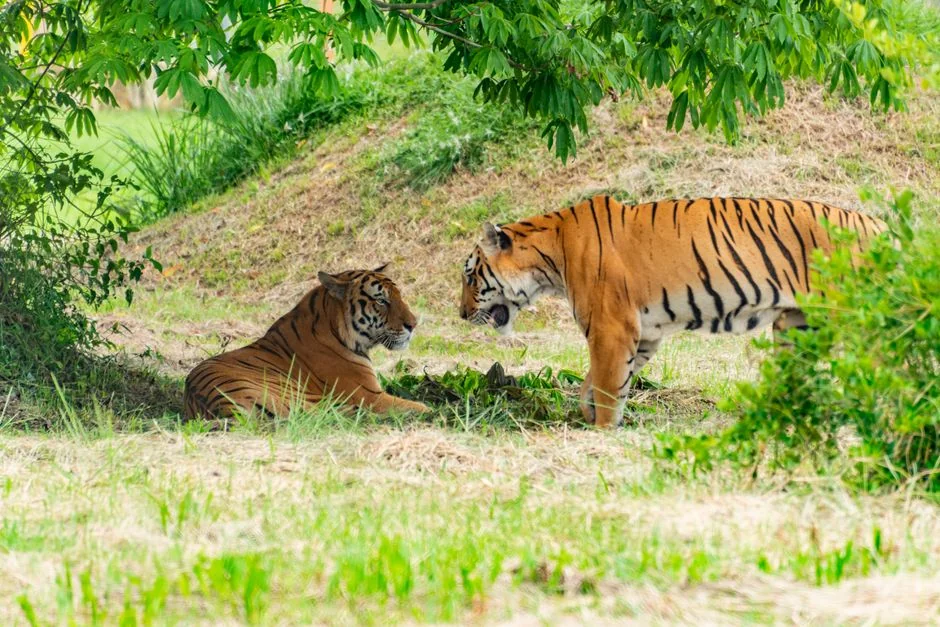
Opinion is split: some have voiced outrage at the park's decision, while others back it. Zoology professor François Verheggen weighed in on the situation, pointing out that Altai's behaviour was an instinctive response to an intruder. He stressed that this reaction should not be viewed through the lens of human emotions. Altai, who weighs between 160 and 190 kilos, is one of the few tiger subspecies still in existence, after others such as the Bali, Javan and Caspian tigers have already died out.
A tiger of great value to conservation
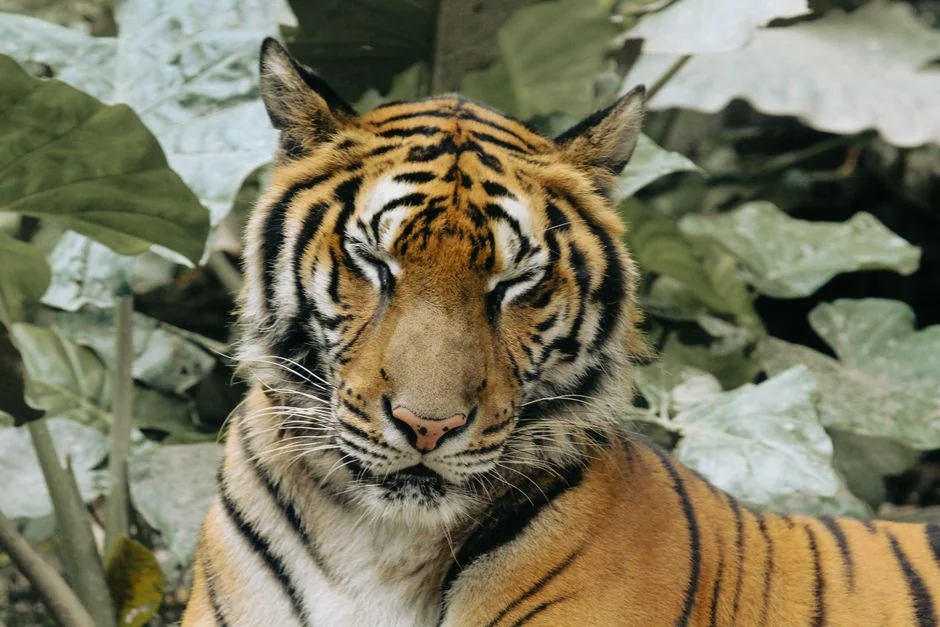
Born in Norway, Altai joined the park recently as part of a breeding programme aimed at preserving this endangered species. Professor Verheggen highlighted the tiger's genetic importance, noting that his genes are extremely valuable to the survival of the subspecies, which now numbers between 300 and 500 individuals in the wild, up from just 100 a few decades ago. He also pointed to the irony of the situation: as tigers' natural habitats are destroyed, the last remaining members of the species are often kept in enclosures, which leads some people to forget their wild nature.
Comparison with other incidents
The professor recalled other tragic incidents involving tigers. In 2007, a Siberian tigress killed a young man in San Francisco after escaping her enclosure, leading police to shoot her dead. Similarly, in 2017, a man in China was killed by a tiger after climbing a wall to get into its enclosure, resulting in the animal's death. However, Verheggen noted that the situation in Yorkshire was different, since no human lives were still at risk at the time of the incident. He also recounted a historical anecdote about a sow in Normandy that was tried and sentenced to death for attacking a child, to illustrate the tendency to want to punish animals for instinctive behaviour.
The question of how far animals can be held responsible for tragic incidents continues to stir ethical debate. The decision not to put Altai down has been defended as a more considered approach, one that takes into account the animal's wild nature and the importance of preserving the species.