Moving Wami, who tips the scales at 2.4 tonnes, called for a carefully choreographed operation. The zoo's teams spent over an hour coaxing the animal into a specially designed crate bearing the logo of Zoológico Guadalajara, one of Mexico's leading zoos.
Once that hurdle was cleared, it was on to Roissy Charles de Gaulle Airport, where Wami was due to join three females from Germany and Safari de Peaugres in the Ardèche for a 12-hour flight aboard a cargo plane chartered specially for the occasion.
An urgent need for genetic diversity
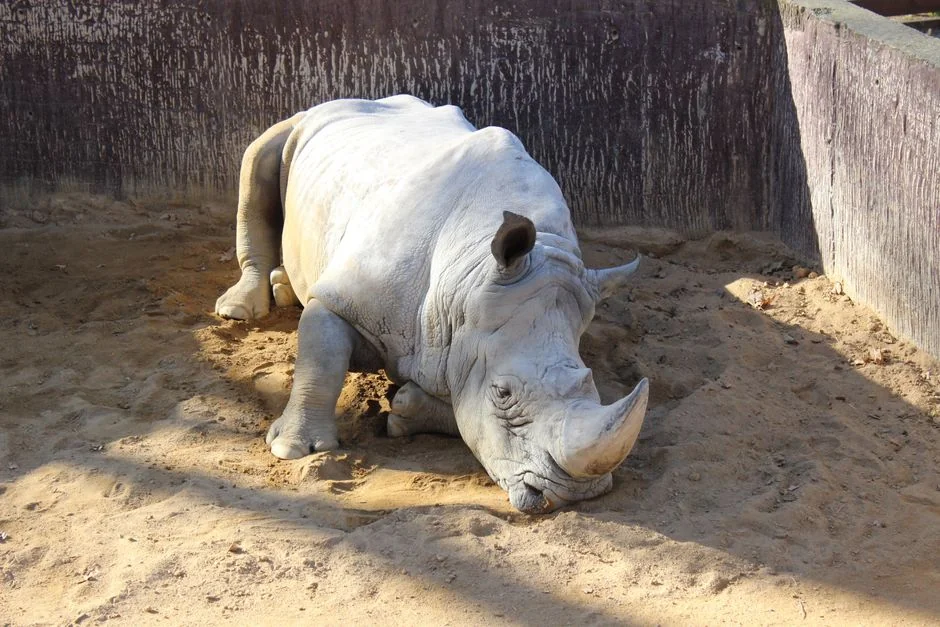
Alexis Lécu, Paris Zoo's scientific director, explained that the move was prompted by breeding programmes in Europe reaching saturation point. There are currently 326 white rhinos spread across 83 parks belonging to the European Association of Zoos and Aquaria (EAZA), with an average of 5 to 10 births a year. Rhinos in captivity can live to 35 or 40 years old, but the pressure on breeding space is becoming ever greater.
To avoid putting the genetic diversity of this already endangered species at risk, Paris Zoo is now working with institutions in the Americas. Wami's semen has already been used for artificial breeding at other European parks, but his genetic legacy could have an even greater impact on the American continent, where none of his ancestors' direct descendants currently exist.
Careful preparation for the move
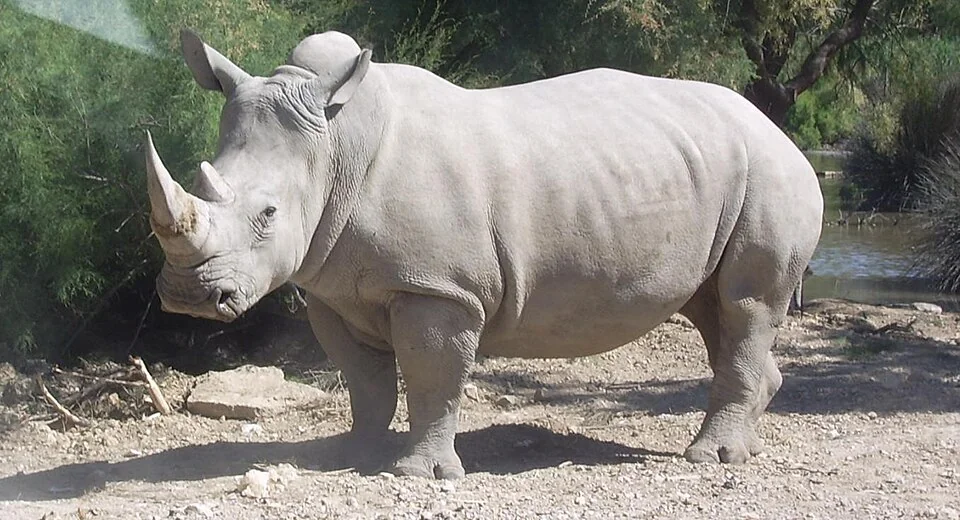
Wami's departure was preceded by rigorous preparation. Fabrice Bernard, the zoo's head keeper, stressed how important it was to minimise the risks on transfer day. Complications, such as the crate's opening mechanism slowing down, required the teams to step in to make sure the animal didn't escape. Handling an animal of that weight is always a tense moment, with the stress clearly felt by the teams involved.
To ensure a smooth journey, the vet administered suitable sedatives, allowing Wami to travel calmly while adjusting to his new surroundings. His keeper is staying with him for the first five days in Mexico, which should help him settle in. The keeper will also pass on crucial information about Wami's behaviour to his new colleagues, to ensure a successful transition.
A lasting legacy at Paris Zoo
Born at Beauval Zoo, Wami joined Paris Zoo in 2014, shortly after it reopened following major renovation work. Regarded as one of the first large animals to move into the revamped park, Wami played a key role in developing care and training activities for the zoo's other species. Fabrice Bernard speaks of a "pang in the heart" when thinking of his departure, highlighting the impact Wami has had on keepers' training and on research projects carried out at the zoo.
The Paris Zoo teams adapted their approach around him, developing training methods that benefited all the animals in their care. The keepers hope to keep receiving news of Wami, who has left an indelible mark on everyone who worked with him. This new chapter in Wami's life is also a reminder of just how important it is to conserve and protect endangered species.