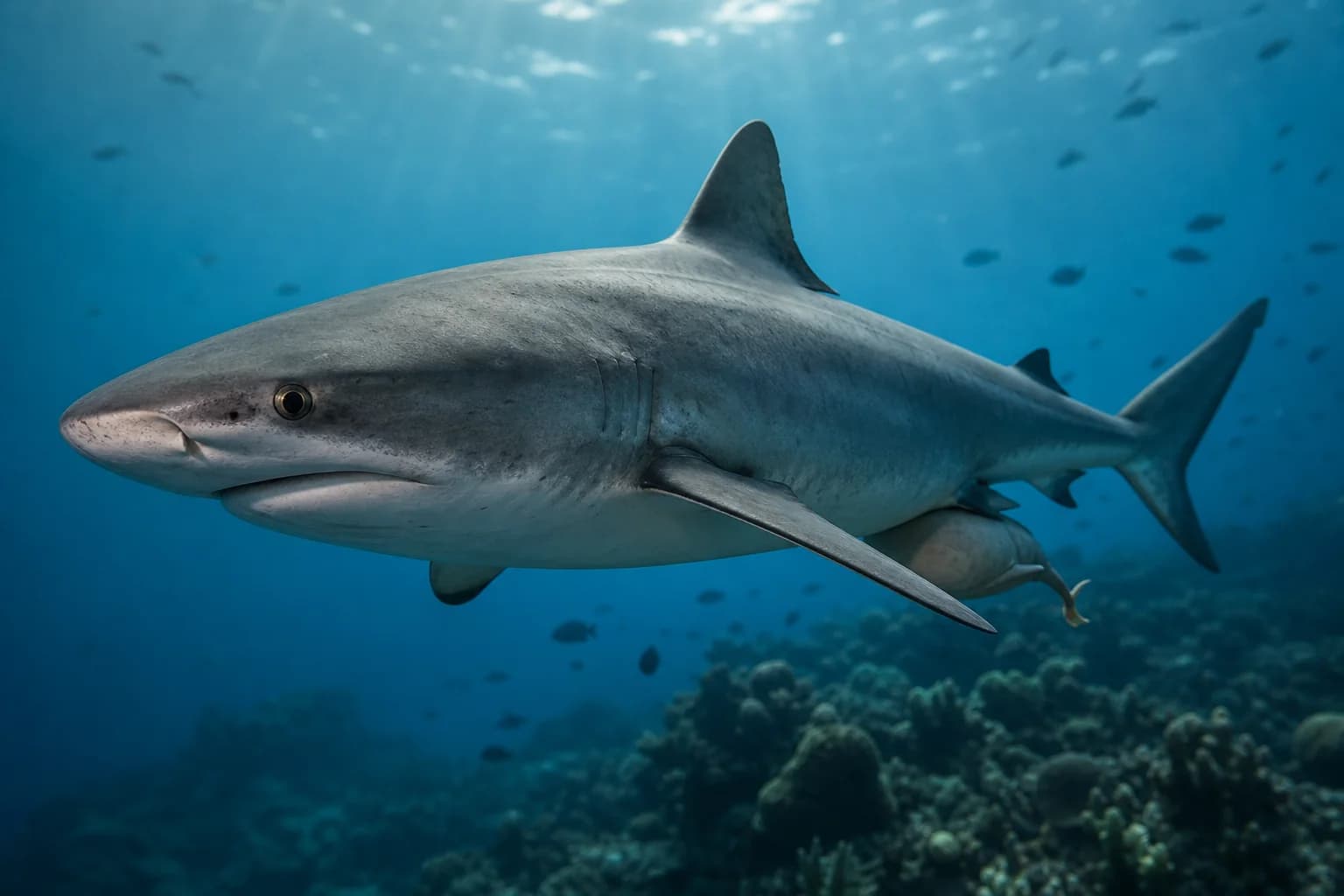
In a study published in 2007 in the journal Biology Letters, Demian Chapman and his team shed light on a rare phenomenon among cartilaginous fish. They confirmed that a female shark at the Henry Doorly Zoo had managed to give birth to a pup without any male involvement whatsoever. This mode of reproduction, well known in certain insects, reptiles and birds, had until then never been seen in the world of sharks.
An Unexpected Birth
On 14 December 2001, zoo keepers discovered a wriggling baby shark alongside three adult females, all bonnethead sharks that had been captured young off the Florida Keys. Remarkably, these females had had no contact with a male since their arrival, which made the birth all the more mysterious. Although the newborn did not survive long, falling victim to another fish, the keepers had had the foresight to freeze its tissue for later analysis.
DNA Analysis Confirms Parthenogenesis
Six years later, DNA analysis was carried out on the frozen cells of the baby shark. The research team compared its DNA with that of the three candidate females. The results revealed that the newborn carried genes from only one mother, with no genetic contribution from a father whatsoever. This discovery highlighted a mechanism known as automictic parthenogenesis, in which the egg fuses with a by-product of the mother's own cell rather than with a sperm cell, allowing an embryo to develop without a male.
Consequences of Asexual Reproduction
While this method of reproduction may seem advantageous in situations where males are absent, it comes with genetic drawbacks. The baby shark ends up with two identical copies of each maternal gene, which limits its genetic diversity. This makes it more vulnerable to disease and environmental change. Indeed, reduced genetic diversity undermines a species' ability to adapt to changes in its environment.
Since this discovery, further cases of parthenogenesis have been observed in rays, snakes and other shark species. Biologists are now asking whether this phenomenon might also occur in the wild, among females that have never been in contact with an aquarium. This research sheds light on the fascinating ways species adapt to the challenges of their environment.