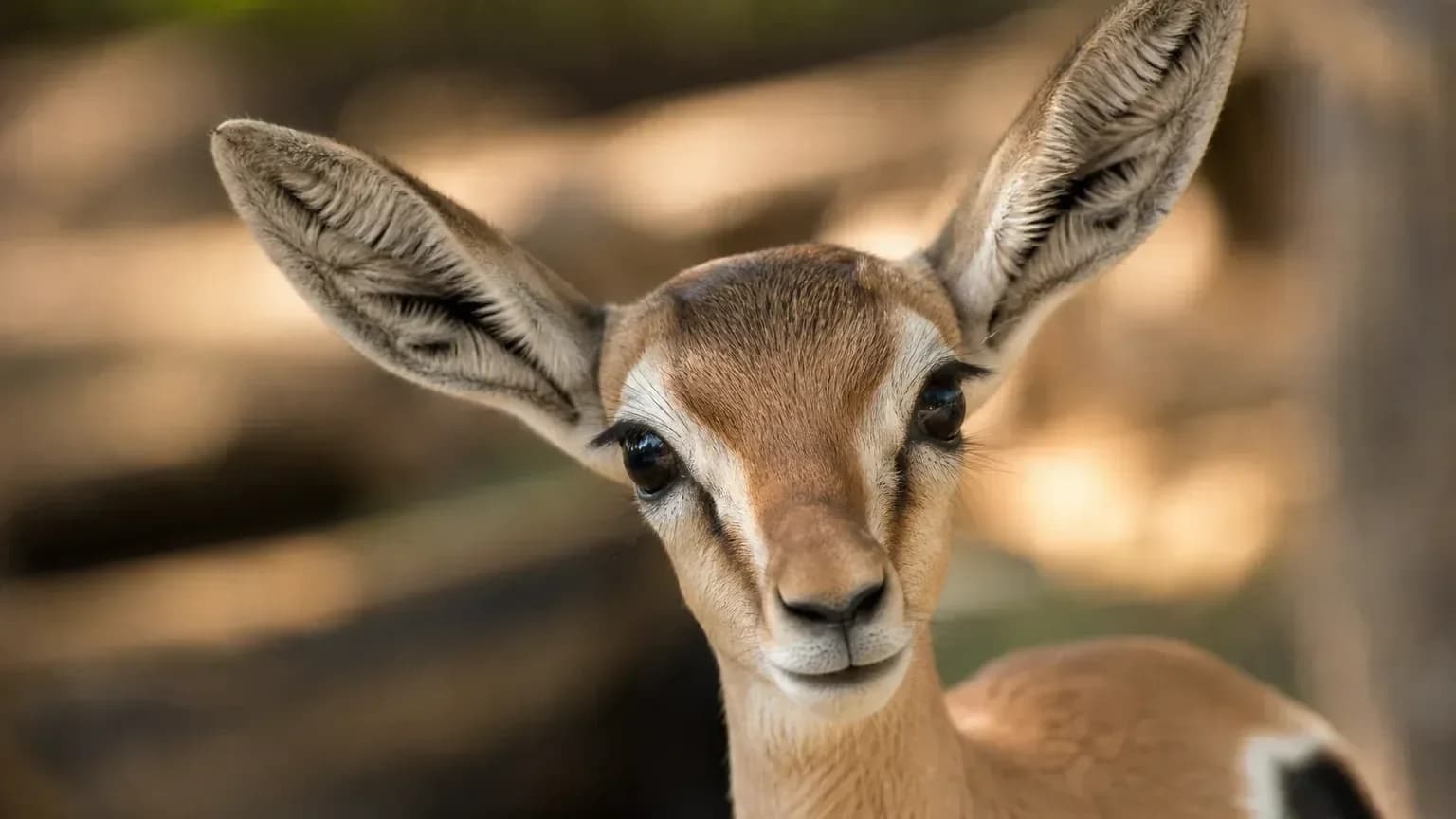
Amiens Métropole zoo, a zoological park in the heart of Amiens (Somme, Hauts-de-France), announced on 7 October 2026 the birth of four dorcas gazelles (Gazella dorcas), born on 20 September.
Three males and one female are doing well, and the litter remains rare for a Sahel antelope that the IUCN Red List classes as "Vulnerable".
The four fawns weighed under 1.7 kg
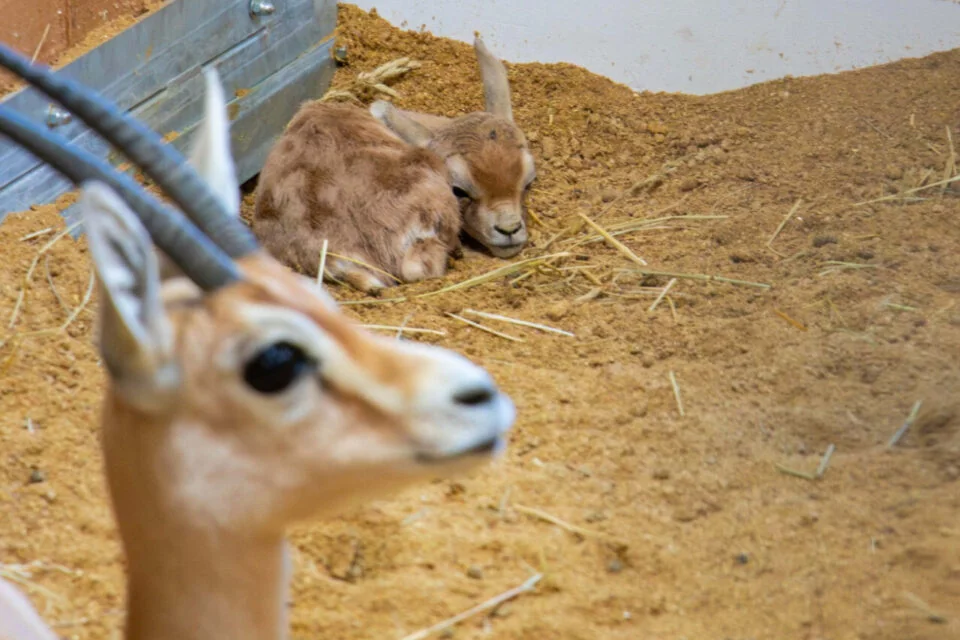
At birth, the four young weighed between 965 grams and 1.695 kg, according to figures released by the park and reported by France 3 Hauts-de-France. The lightest of the four, then, didn't even reach a kilo.
Their parents arrived recently. The zoo reopened on 1 February 2026 after two months of works, with a revamped African savannah area, the return of giraffes after some thirty years' absence, and the arrival of five dorcas gazelles alongside three Mhorr gazelles.
Amiens claims a French first
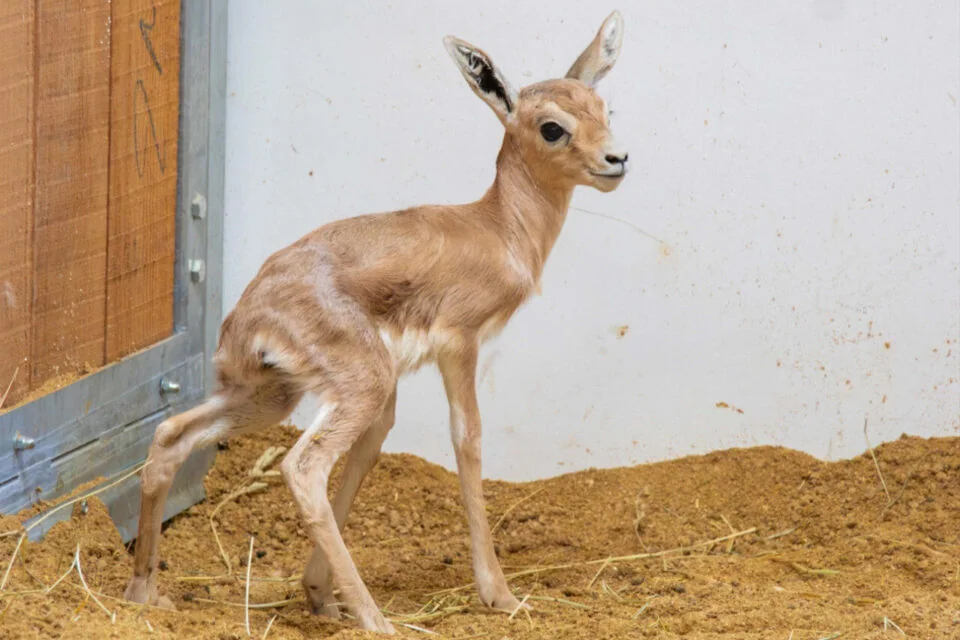
According to Amiens Métropole zoo, this is the first successful breeding of the species in France. The antelope remains exceptionally rare in French animal parks: besides Amiens, only Mulhouse zoo and La Palmyre keep it.
These four fawns thus join a tiny European herd, managed under a continent-wide breeding programme: every birth counts for the genetic diversity of the captive population.
It has been a rather good year on that front, between these gazelles and the other exceptional births at French zoos in 2026.
How the dorcas gazelle survives the desert
The dorcas gazelle lives in the desert and semi-desert regions of North Africa and the Sahel. Its body concentrates urine, its activity is confined to dawn and dusk, and it gets most of its water from the plants it grazes on. The result: several days without a water source, no problem. Park fact sheets credit it with top speeds of 80 km/h when fleeing a predator.
The IUCN Red List, in its 2017 assessment, classes it as "Vulnerable", with a declining wild population estimated at around 100,000 individuals. Motorised hunting by 4x4 and quad bike, overgrazing, land conversion to farmland, and the effects of climate change: the species has vanished from a large part of its original range, 86% according to Mulhouse zoo.
To see before the annual closure
In October, Amiens zoo is open every day from 10am to 5pm, with last entry at 4pm. Expect to pay €13 for an adult (16 and over), €10 for a young person aged 3 to 15, free under 3, and €17 for a family rate (one adult and one child), with free parking, according to the official ticket office.
The Toussaint half-term holidays fall within the right window, and it's roughly the last chance: the park closes for the year from 16 November to 31 January. To catch the fawns before winter, aim for these two weeks in October and November.