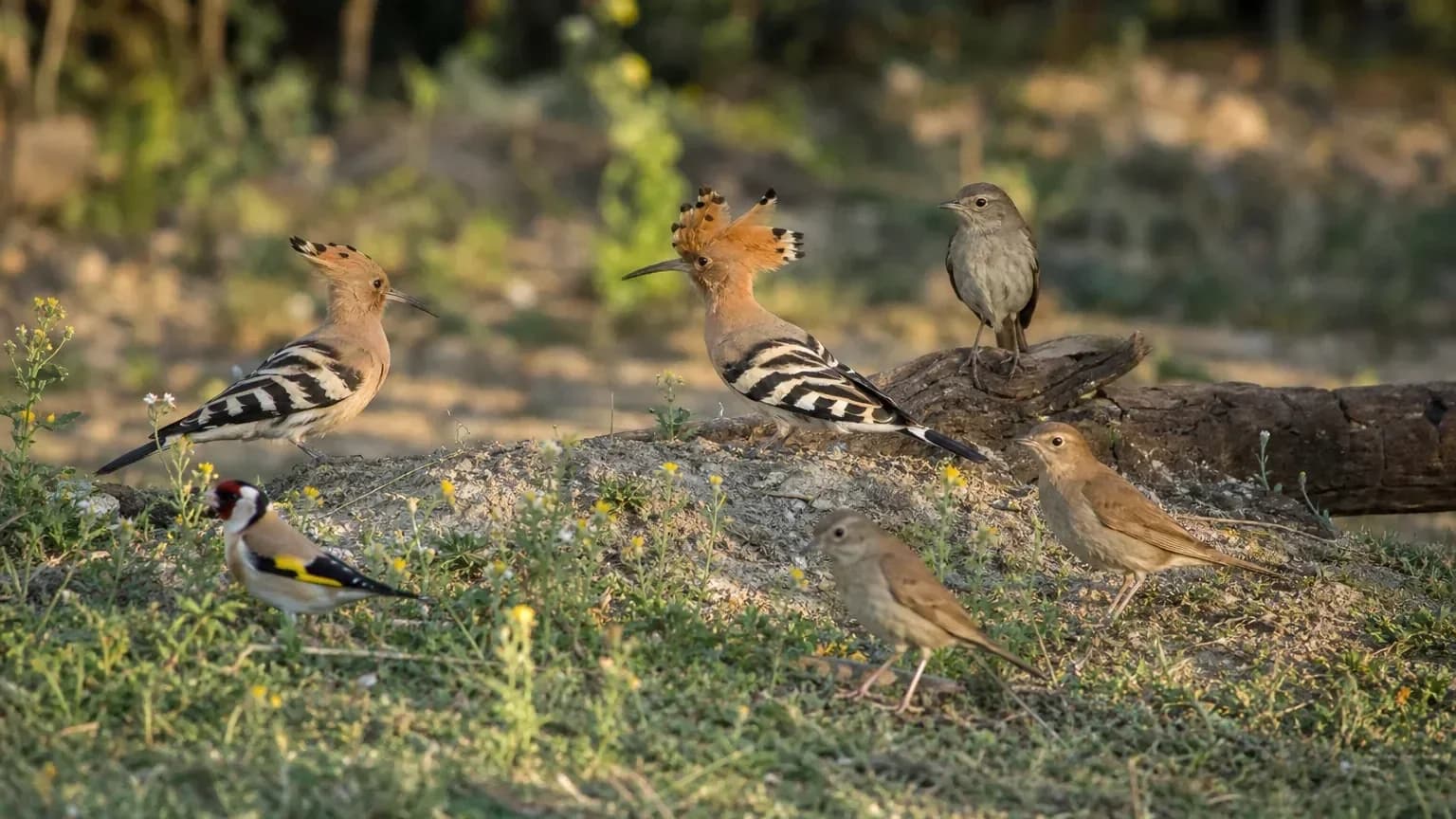
City birds take flight sooner when a woman approaches than when a man does, according to a large-scale European study carried out in five countries, including France. On average, a man can get a metre closer before the birds fly off. Researchers have confirmed the phenomenon, but still don't know why it happens.
Birds flee sooner from women
The finding is as clear as it is puzzling. In urban parks, birds let a man approach around one metre closer than a woman before taking flight. In other words, they trigger their escape response earlier when faced with a female passer-by than a male one, even when clothing and build are comparable. The pattern holds wherever it has been measured.
A study across five countries, covering 37 species
These results are no fluke observation. Researchers had volunteers — men and women dressed and built in a similar way — walk straight towards birds in five European countries: the Czech Republic, France, Germany, Poland and Spain. By recording the flight distance each time, they gathered 2,701 observations across 37 different species, from great tits to sparrows, blackbirds, magpies and pigeons, according to ScienceDaily.
A metre that matters to the bird
That one-metre gap is far from trivial. Flight distance reflects how on edge an animal is in the face of danger: the shorter it is, the more the bird tolerates human presence. Constantly flying off burns energy and eats into feeding time. That this threshold should shift depending on the sex of the approaching person surprised even the scientists themselves.
"As a woman working in the field, I was surprised that birds react differently to us."
Why? Science is still stumped
This is where the mystery deepens. Several theories have been put forward, though none has been proven: differences in pheromones, body shape or gait between men and women could all play a part. The study, published in the journal People and Nature, describes a clear phenomenon but leaves the explanation open.
"We've identified a phenomenon, but we genuinely don't know why it happens."
Watching without scaring them off
The lesson applies to all our outings. Every approach, however casual, changes the behaviour of the wild animals sharing our towns and countryside. To observe them without disturbing them, it's best to move slowly, keep your distance and stay low-key. Our nature walk ideas and days-out ideas are packed with chances to put this into practice, binoculars in hand.
Birds pick up on differences in us that we never suspected. Next time a sparrow flies off too quickly, the answer might lie in your walk.