The wolf returned to France under its own steam, from Italy, first spotted in 1992 in the Mercantour. It now roams the Alps, the Jura, the Hautes-Vosges and the Massif Central. To observe it up close and without risk, an animal park remains the best option.
A return that began in the Mercantour
The wolf had disappeared from France around the 1930s, hunted down to the very last one. Its return is no reintroduction: the animal made its way back up alone from Italy. A ranger from the Mercantour National Park recorded its presence in November 1992, in the Mollières valley.
From there, the species spread. It reached the southern Alps, then the northern Alps, before crossing the Rhône valley to reach the Massif Central. The wolf has also been present in the Hautes-Vosges since 2012 and has settled in packs across the Jura massif. According to the OFB, its range is thought to have nearly doubled in five years.
How many wolves were in France at the end of 2025?
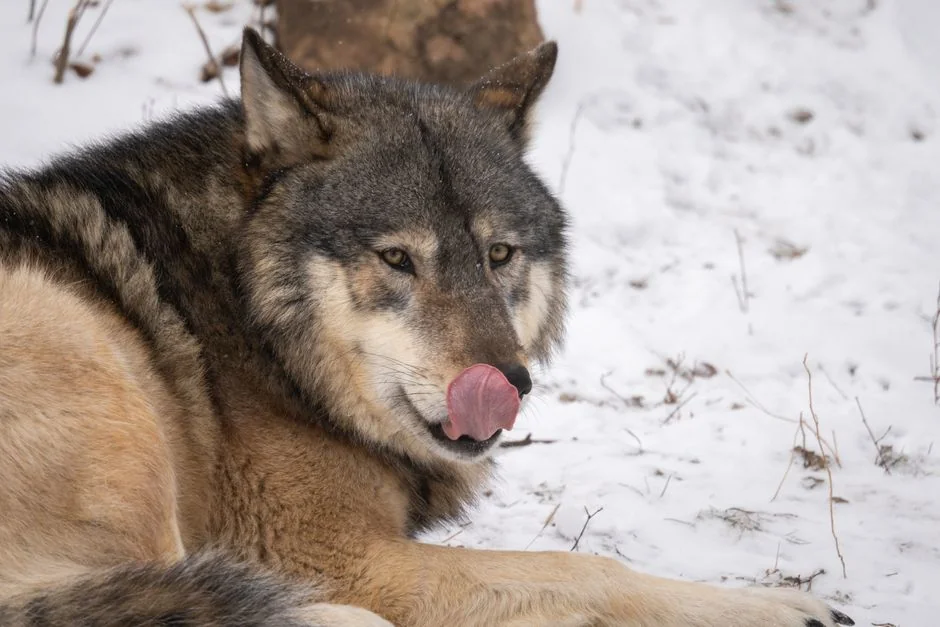
Around 1,082 wolves were living in France according to the OFB's estimate published on 28 November 2025, within a range of 989 to 1,187 individuals. A year earlier, the count stood at around 1,013 animals. The agency describes the trend as stabilising, though these figures remain statistical estimates rather than a head-by-head census.
You could walk for hours in the mountains and still, spotting one in the wild comes down to pure luck. The wolf avoids humans and moves mainly at night.
Parc Alpha, for a close-up view of wolves
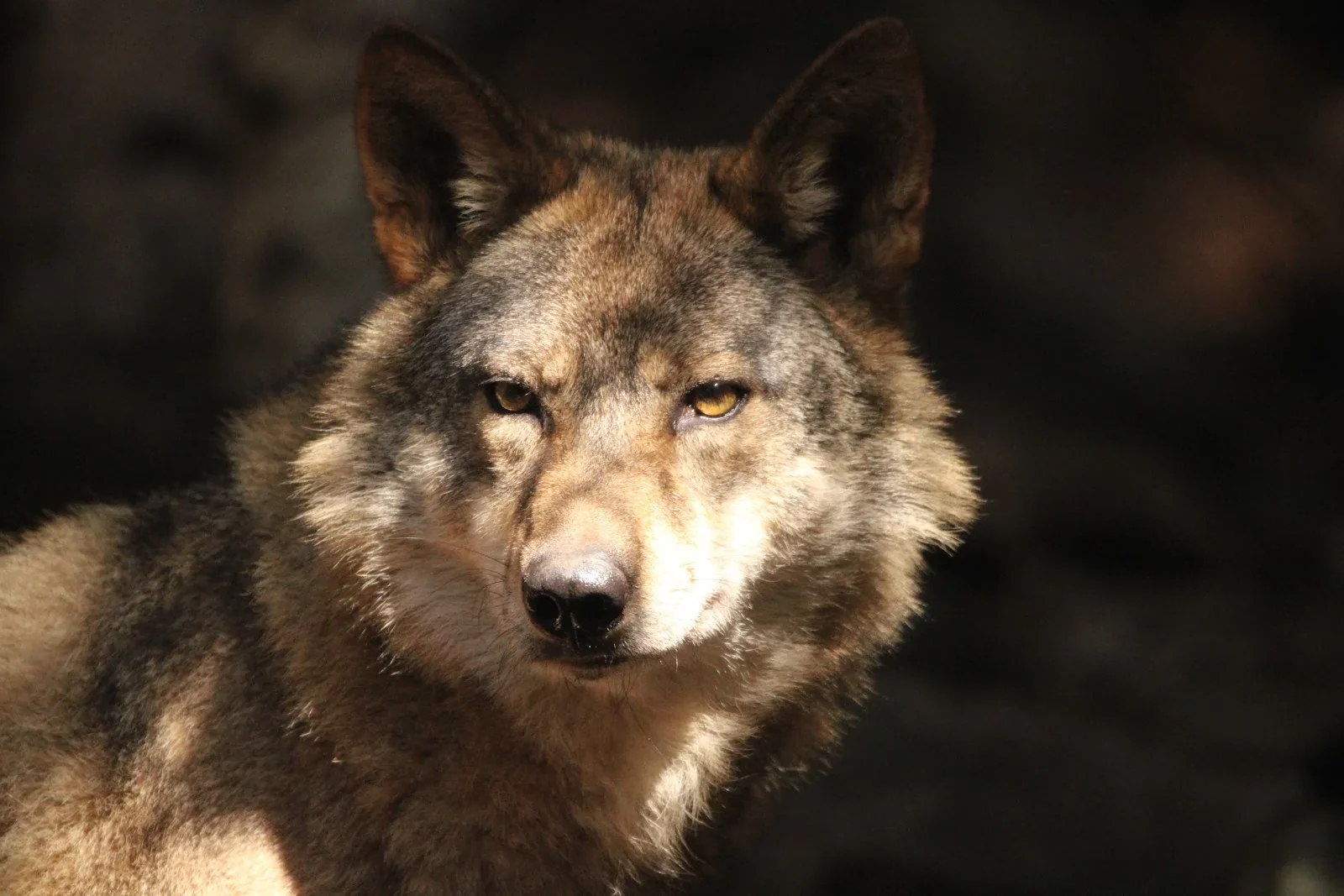
To observe the animal without leaving it to chance, head to Parc Alpha, at Le Boréon, in Saint-Martin-Vésubie. Created in 2005 at the heart of the Mercantour National Park, it is home to three packs living in semi-freedom, within vast enclosures set between 1,500 and 1,800 metres above sea level.
Observation points bring you closer to the wolves while keepers share insights into their lives. The site is open by booking only, with adult entry priced at €15 in 2026. It's one of those animal parks where visitors come to learn as much as to watch. Storm Alex hit the park hard in October 2020; it has since reopened. See our dedicated article on Parc Alpha
Observing nature without disturbing it
Around Le Boréon, the hiking trails of the Mercantour offer families a wonderful playground. You'll almost never cross paths with a wolf there, but you'll read its traces: footprints, droppings, and the remains of meals that guides know how to decode.
The golden rule of any nature outing comes down to one line: observe, don't feed, and keep your distance. A wild animal stays wild, and that's exactly what makes the encounter precious.
A discreet animal, to understand rather than dramatise
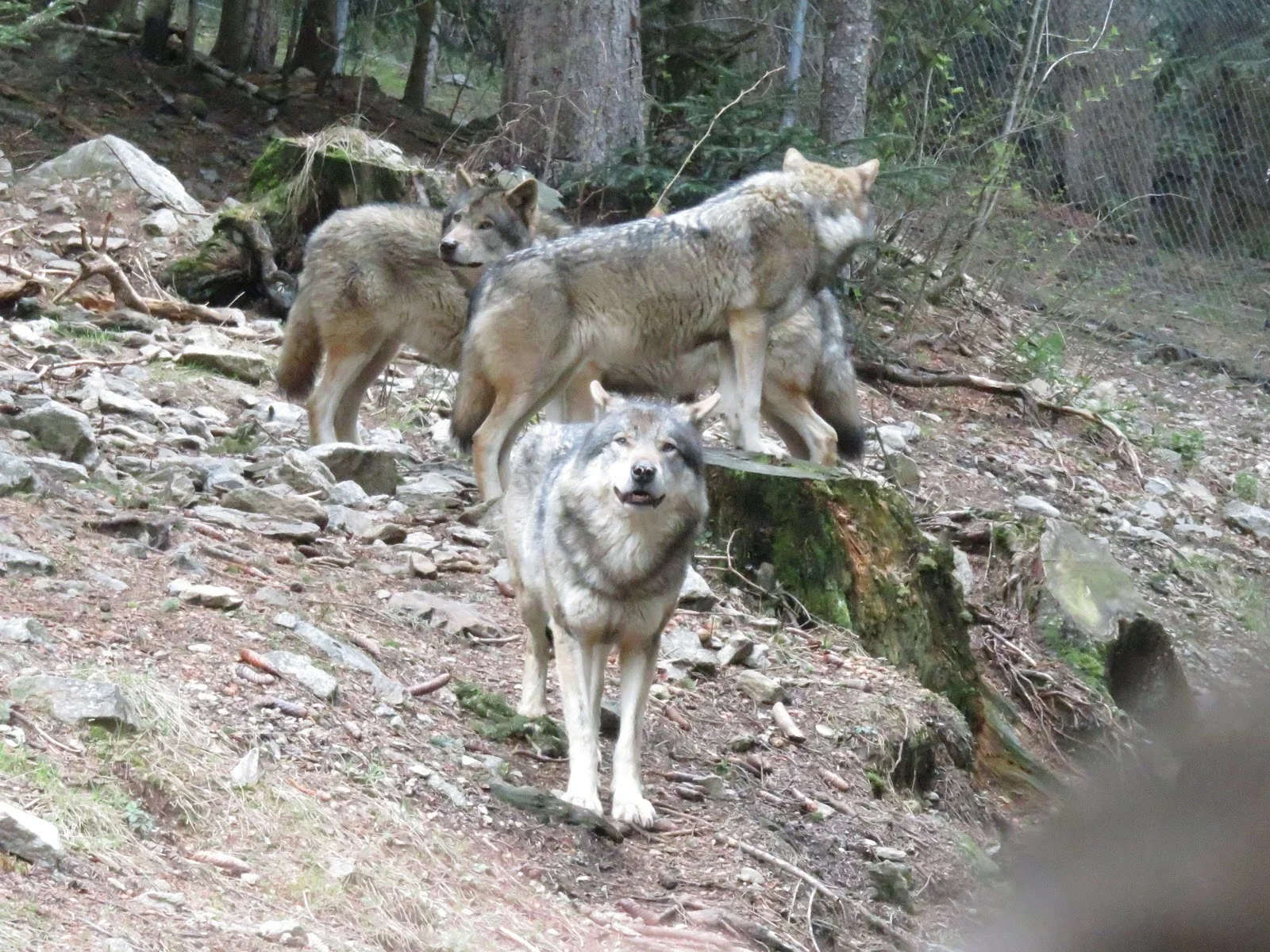
The grey wolf weighs between 25 and 40 kilos, about the size of a large dog. It lives in a pack organised around a breeding pair and their young, and hunts mainly wild prey such as roe deer and red deer. Folk tales have shaped an image that sits poorly with the reality on the ground.
Seeing one at Parc Alpha means swapping age-old fear for curiosity. Your next family outing: book your slot, grab your binoculars, and let the children discover who's really hiding behind the big bad wolf.