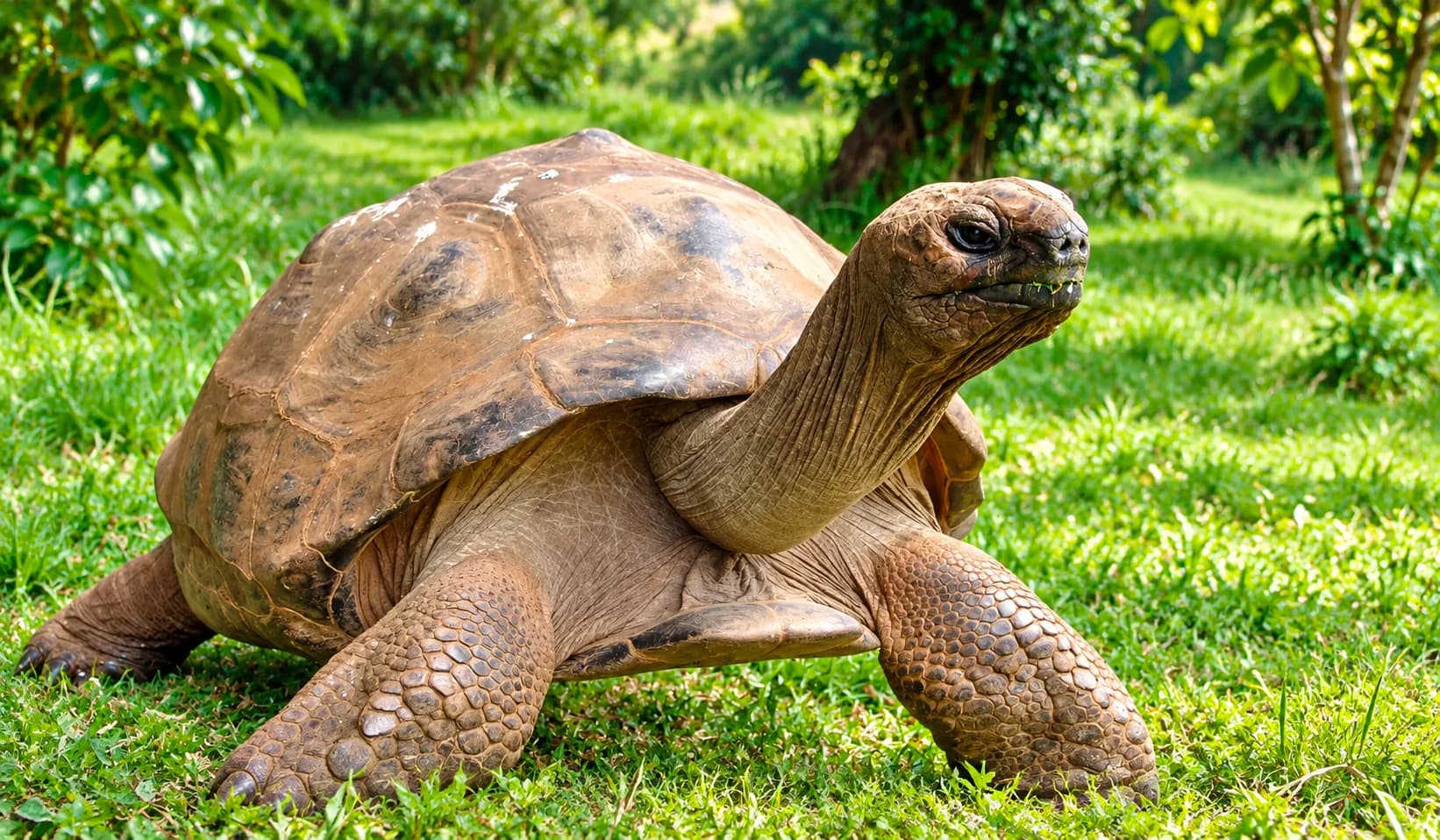
Jonathan, a giant Aldabra tortoise born around 1832, is the oldest known living land animal: nearly 194 years old. On the island of Saint Helena, researchers have sequenced his genome and epigenome, spotting surprisingly stable regions within them. Their findings appear in the journal Science Advances.
A tortoise born around 1832, still going strong
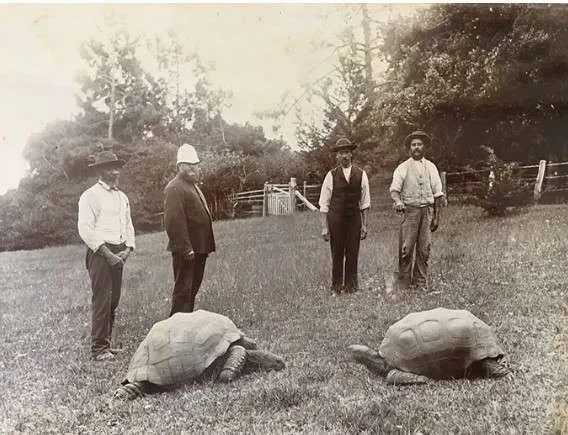
Jonathan belongs to the species Aldabrachelys gigantea, the giant tortoises of the Seychelles. Records place his birth around 1832: he was therefore alive when Charles Darwin was developing his theory of evolution.
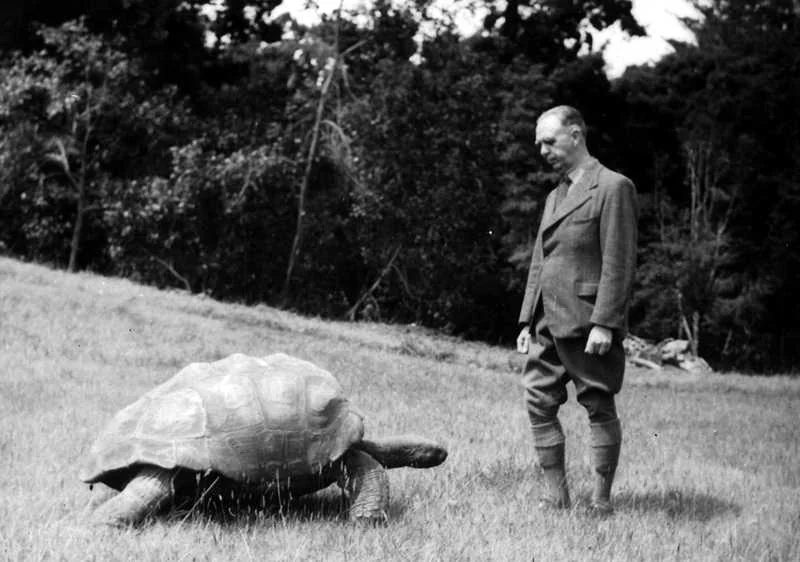
He arrived on the island of Saint Helena, in the South Atlantic, as an adult around 144 years ago, and he still grazes there peacefully today. At roughly 194 years old, he holds the record for the oldest living land animal known to science.
Cells swabbed from his mouth, in exchange for a treat
To unravel his mystery, geneticists couldn't take a blood sample: too risky for such a precious resident. Instead, they collected cells from inside his mouth using a simple swab, in exchange for a tasty reward.
They then compared his genetic material with that of other giant tortoises, including the famous Lonesome George. The findings were published in the journal Science Advances by a team from the Kallel Foundation in the United States.
287 genes and an epigenome that resists time
Two findings stand out:
First, distinctive variants in 287 genes, several of which are linked to DNA repair, mitochondrial function and energy management.
Second — and this is a first for a giant tortoise — the analysis of his epigenome. The epigenome is the set of switches that regulate gene activity without altering the DNA itself. In Jonathan's case, some of these regions have remained just as orderly as in much younger tortoises, where time would normally scramble these settings.
A model of resilience, not a fountain of youth
A word of caution: no one is claiming Jonathan has stopped ageing — the researchers did note signs of age in him. Their hypothesis is more nuanced: this stability may limit certain cellular malfunctions over the decades, a kind of "model of cellular resilience". Crucially, the study looks at just a single individual and remains correlational: it will need to be confirmed. Jonathan's genome holds no recipe for immortality.
Still, it's a promising line of research. Since ageing is a major risk factor for many diseases, scientists hope to secure funding to find out whether these mechanisms could one day inspire new treatments. Nothing is certain yet, and everything remains to be verified.
Where to meet a giant tortoise with the family
You don't need to travel to the South Atlantic to marvel at these placid giants. Several French wildlife parks and zoos are home to giant tortoises from the Seychelles or the Galápagos, whose lifespans often exceed a century. Watching these animals is a way of seeing time differently, and our nature outing ideas offer plenty of ways to make a day of it.
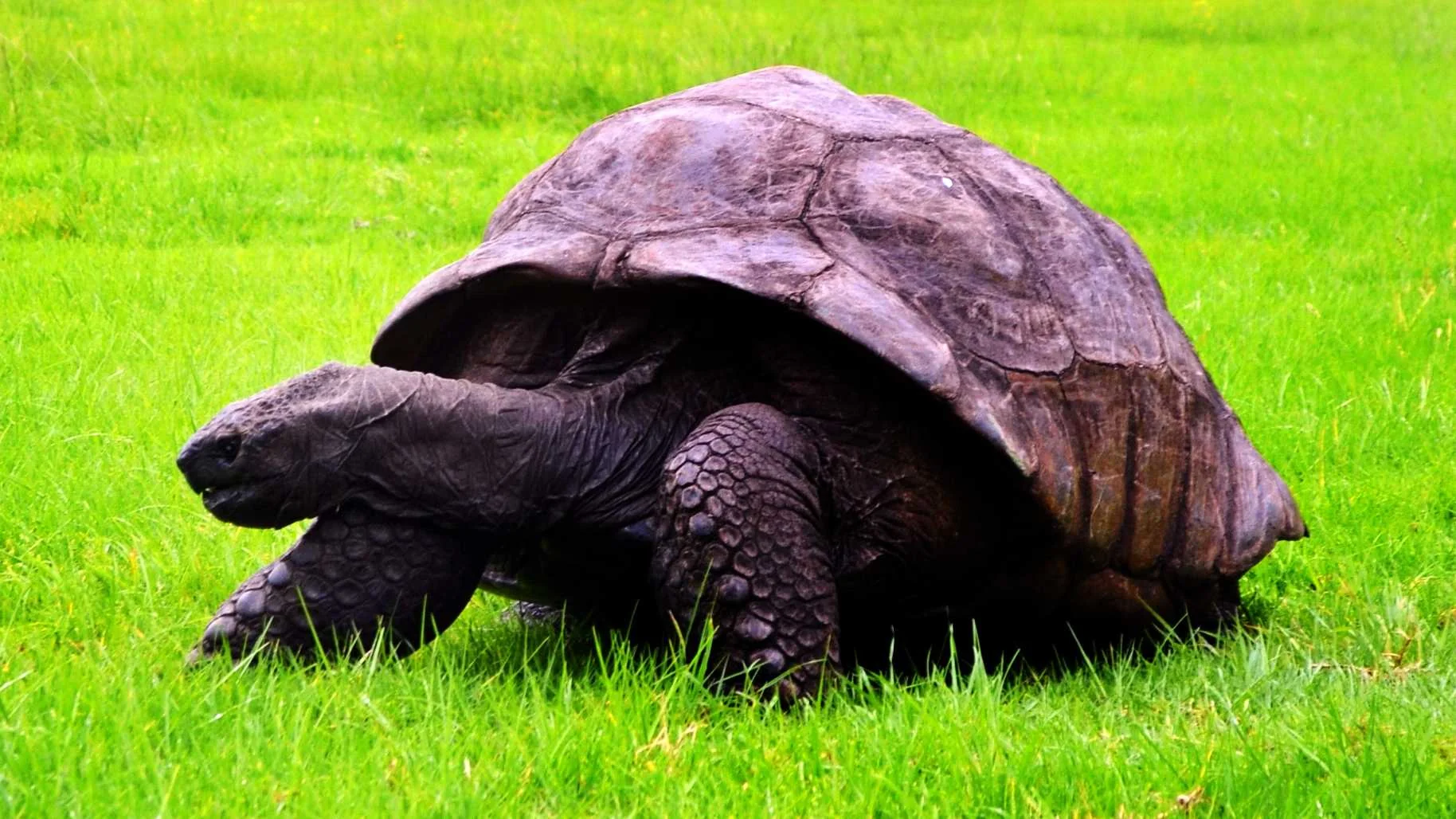
As for Jonathan, he carries on with his morning grass, unconcerned with records. Science, meanwhile, still has years ahead to keep listening.