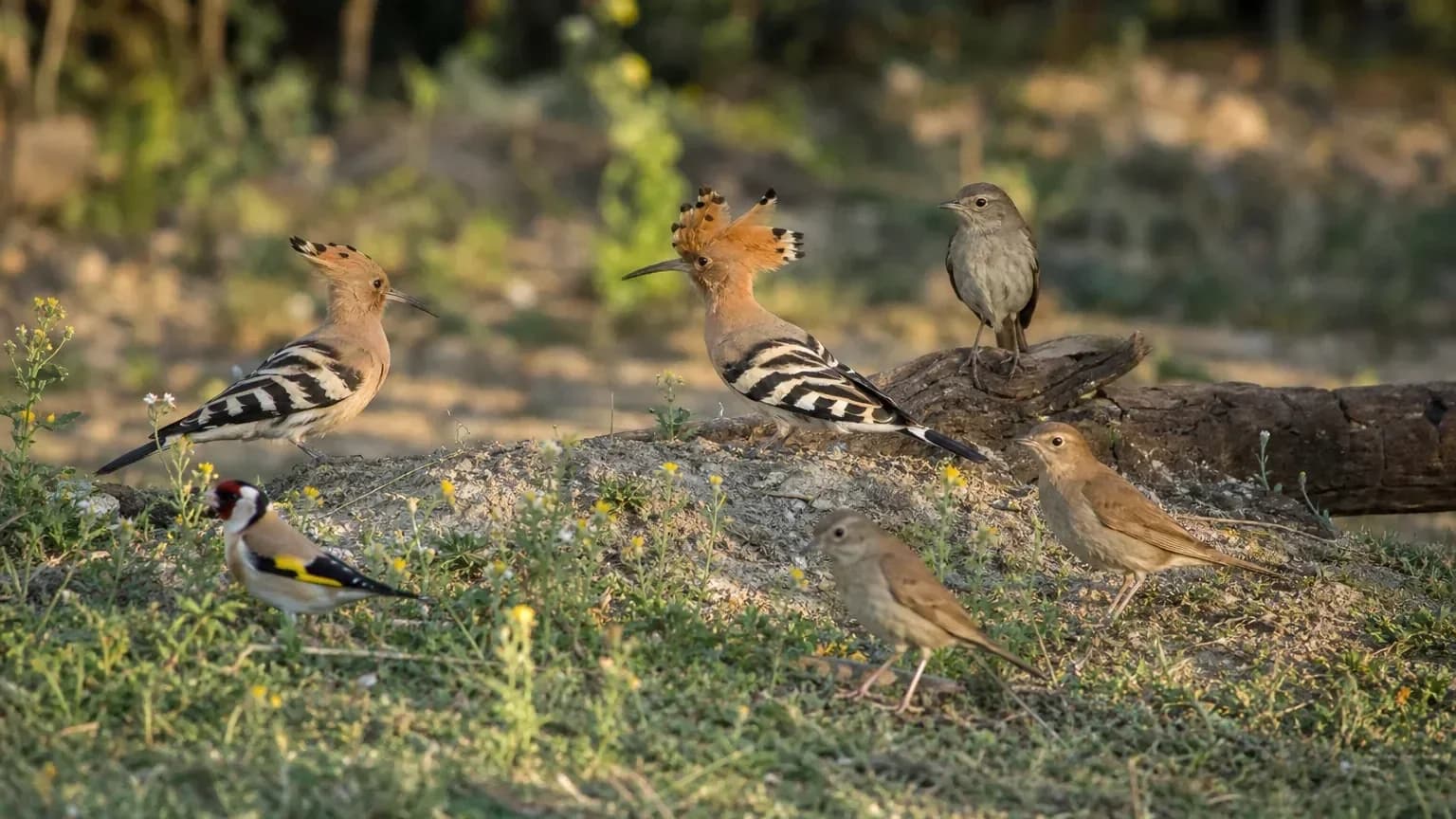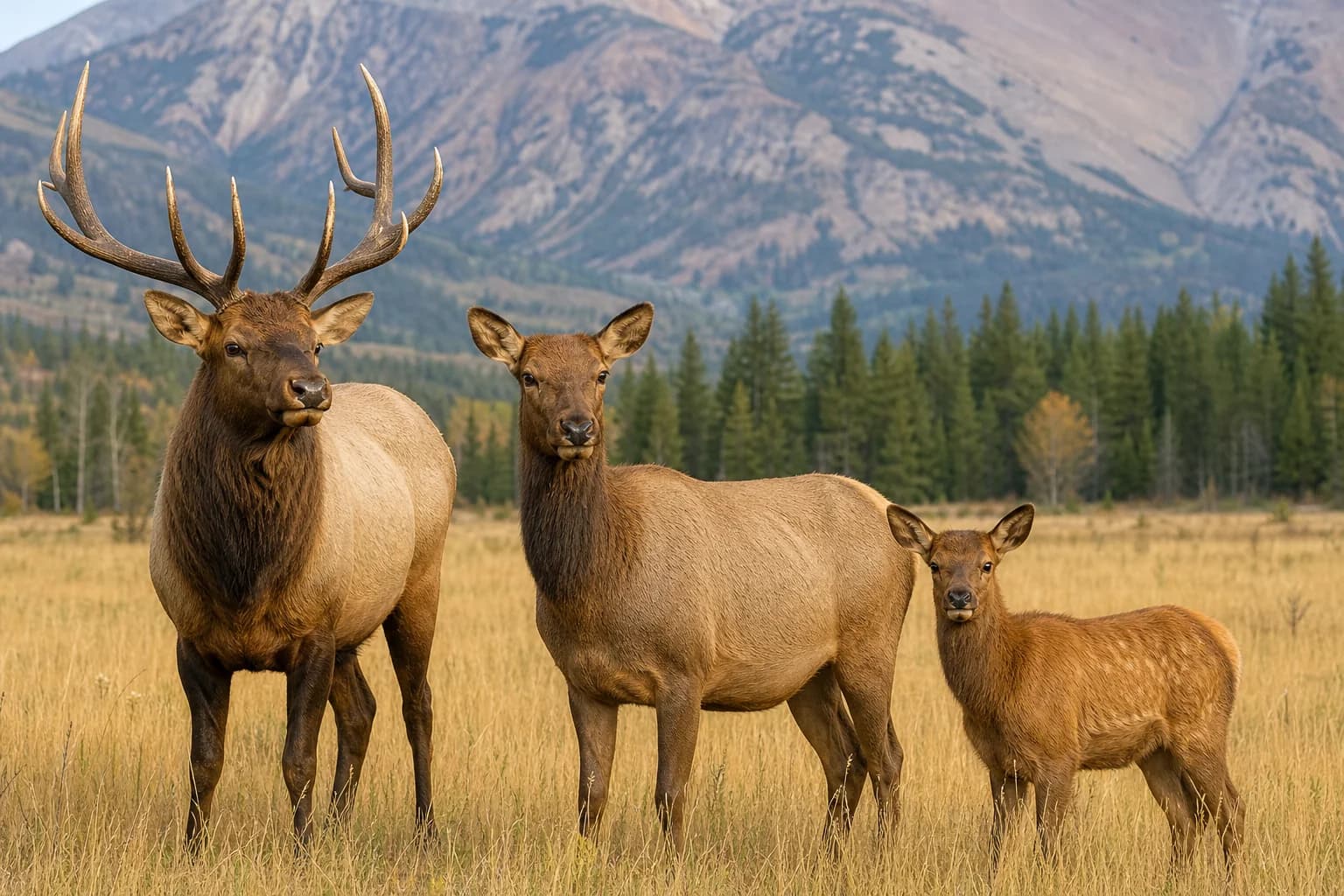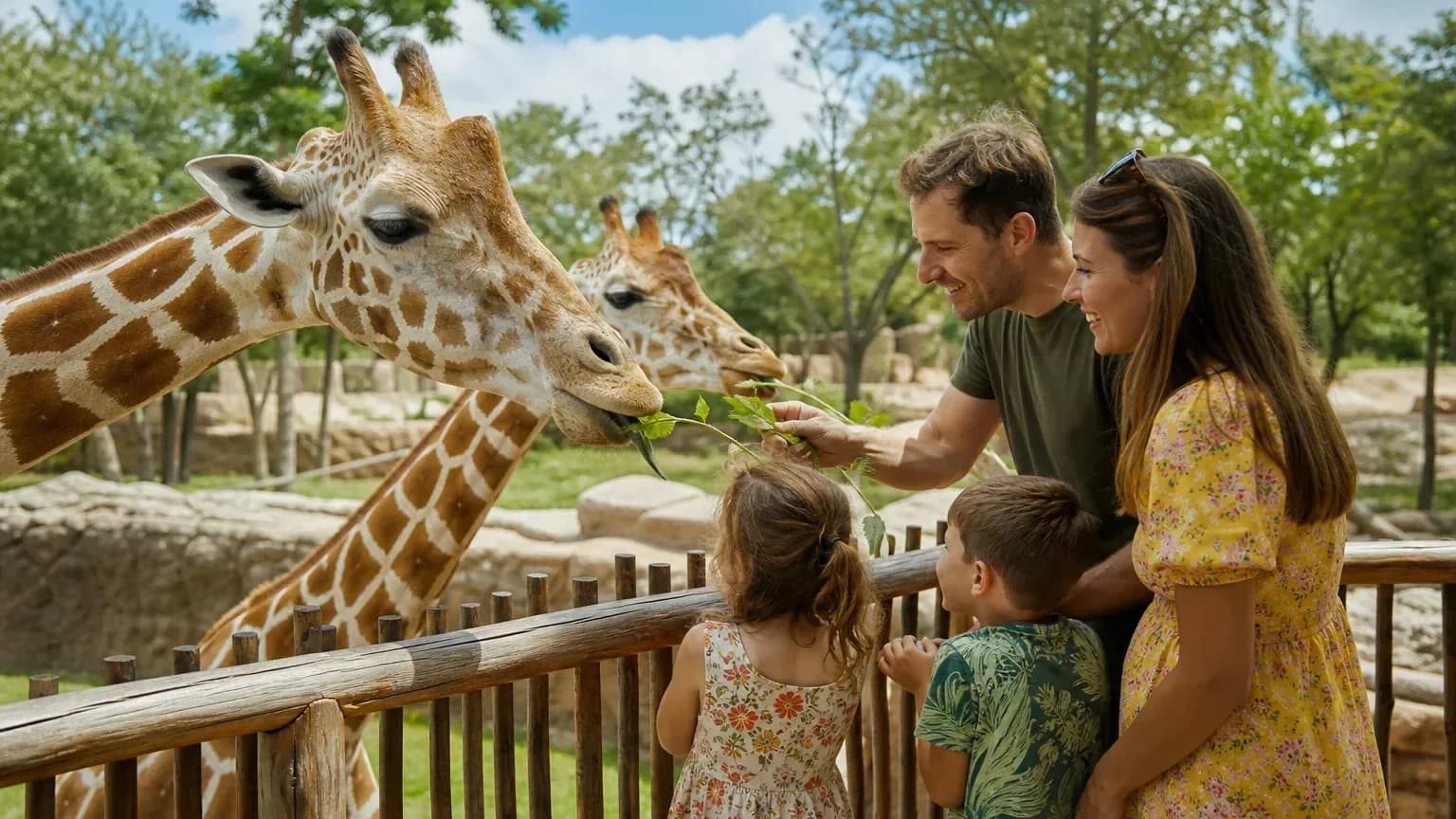
Protests generate high noise levels, disrupting the calm usually found in zoos. Animals, which are far from indifferent to outside noise, can feel this stress, particularly those with sharp hearing. Shouting, sirens and other sounds associated with these gatherings can be a genuine source of discomfort for sensitive species.
The effects of noise on zoo animals
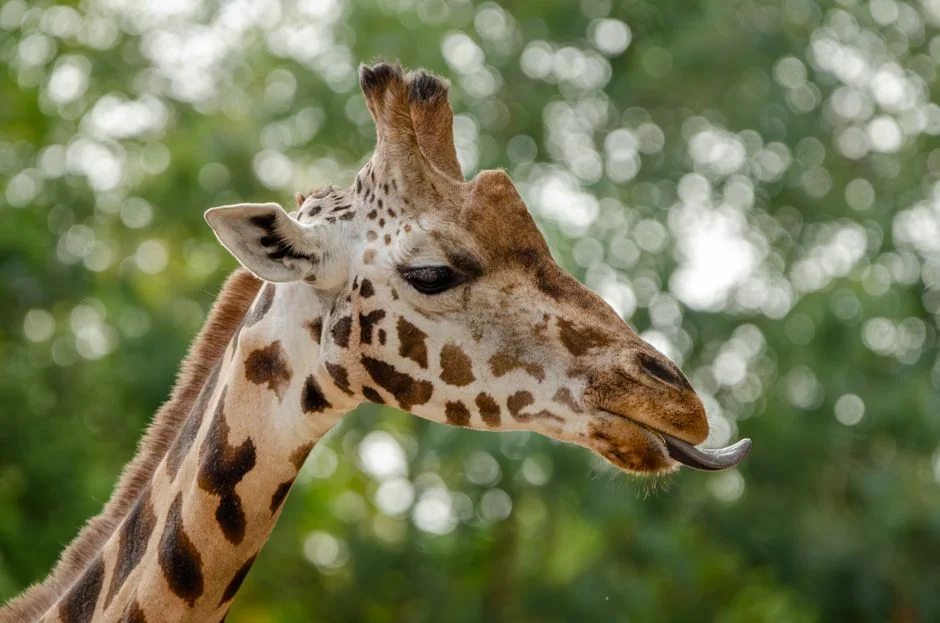
Numerous studies on noise pollution show that zoo animals are not immune to the effects of ambient noise. According to the SPA (animal welfare society) of Lyon and the South-East, prolonged exposure to noise disturbance can have harmful effects on their health. Animals' reactions vary depending on their species, their sensitivity and their previous exposure to noise. For example, a stressed animal may try to hide, become more agitated or change its usual behaviour. Rest periods and social interactions can also be disrupted by sounds that humans would consider harmless.
The 17 October protests and their scale
In Paris, the Parc zoologique de Paris, located in the Bois de Vincennes, had said it would remain open despite these events. Visitors had nonetheless been warned that transport and parking disruption could occur around the park. So far, no disturbance to animal behaviour had been reported, even though the risk of an impact remained.
Measures to protect the animals
Faced with this situation, zoo teams can put various strategies in place to minimise the effects of noise on the animals. In the event of unusual noise, creating withdrawal zones and shelters allows animals to move away from sources of stress. Keepers are also trained to observe animal behaviour and spot any signs of distress. These recommendations are in line with advice from the SPA of Lyon, which recommends providing animals with quiet spaces to retreat to.
Visitors also play a crucial role in this. By avoiding shouting near enclosures or banging on the glass, they help preserve the animals' calm, especially on potentially turbulent days such as 17 October.
Noise-related and behavioural consequences
It's worth noting that the impact of the protests on the animals will largely depend on the sound environment around the zoological parks. A distant, low-noise protest won't necessarily have negative effects, unlike intense, prolonged noise disturbance right next to the enclosures. It is therefore difficult to predict exactly how the animals will react to these events, but their welfare must remain a priority for zoo teams.