An American study published in 2026 establishes a surprising link between oak acorns and Lyme disease. Years with heavy acorn production feed mice, whose numbers then explode and drive up tick populations roughly two years later. And, against expectations, it's these rodents, more than deer, that weigh on the risk.
From acorns to ticks, a chain reaction
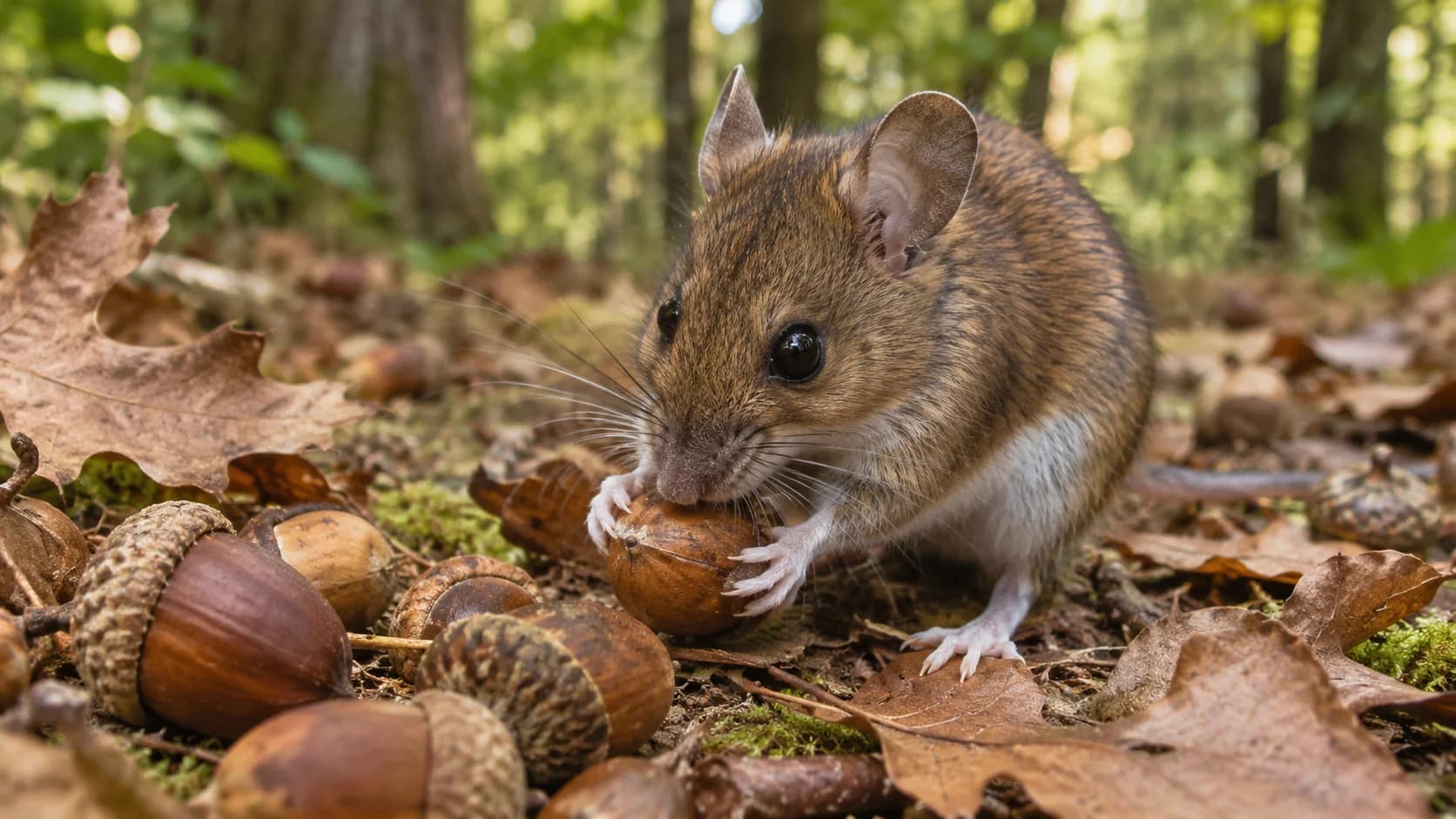
It all starts beneath the oaks. A year of heavy acorn production provides a feast for mice, which breed in large numbers. These rodents, in turn, feed tick larvae, which become nymphs the following summer, the life stage most likely to transmit Lyme disease.
The result: after a year with lots of mice, the number of nymphs jumps by around 40% the following year. Today's acorns therefore signal tomorrow's ticks, with a lag of nearly two years. A delay that makes bad tick years almost predictable, provided you count the acorns in autumn.
It's not the deer, it's the mice
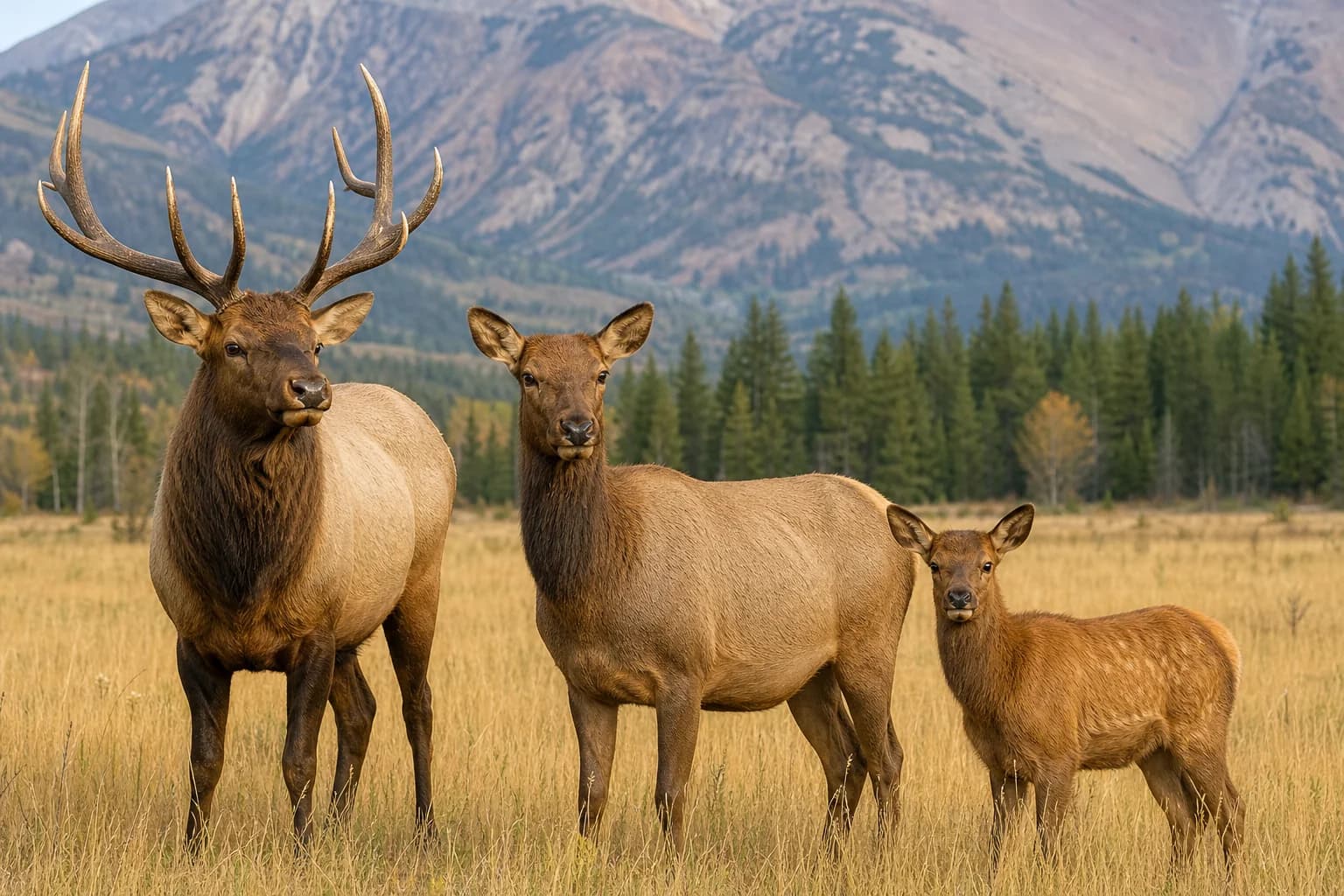
Here's the real twist. By monitoring a site in New York State since 1991, researchers at the Cary Institute found that deer abundance had no clear link to the number of young ticks.
Deer, long blamed for the phenomenon, are therefore not its driving force after all. It's white-footed mice that pull the strings, according to this study published in the scientific journal PNAS. This monitoring programme, one of the longest-running tick studies in the world, overturns a stubborn piece of received wisdom.
More mice doesn't mean more infections
The nuance matters. A large mouse population produces more ticks, but not necessarily more ticks carrying the Lyme bacterium. Mice are actually fairly poor at transmitting the microbe, and other animals, such as opossums, squirrels and skunks, pick up ticks without infecting them. This is the dilution effect: varied wildlife offers some protection against the disease.
Walking in the forest without bringing ticks home
The good news is that you can protect yourself. A few simple habits are enough: wear long, light-coloured clothing, use an insect repellent, stick to footpaths and avoid tall grass. When you get back, check your whole body, including skin folds and the scalp. If you spot a tick, remove it promptly with a tick remover tool, without crushing it. If redness spreads around the bite, see a doctor. To plan your outings, browse our walk ideas and days-out ideas.
An acorn that falls today, one more tick in two years' time: the forest works as a network, and understanding it better means protecting yourself better.