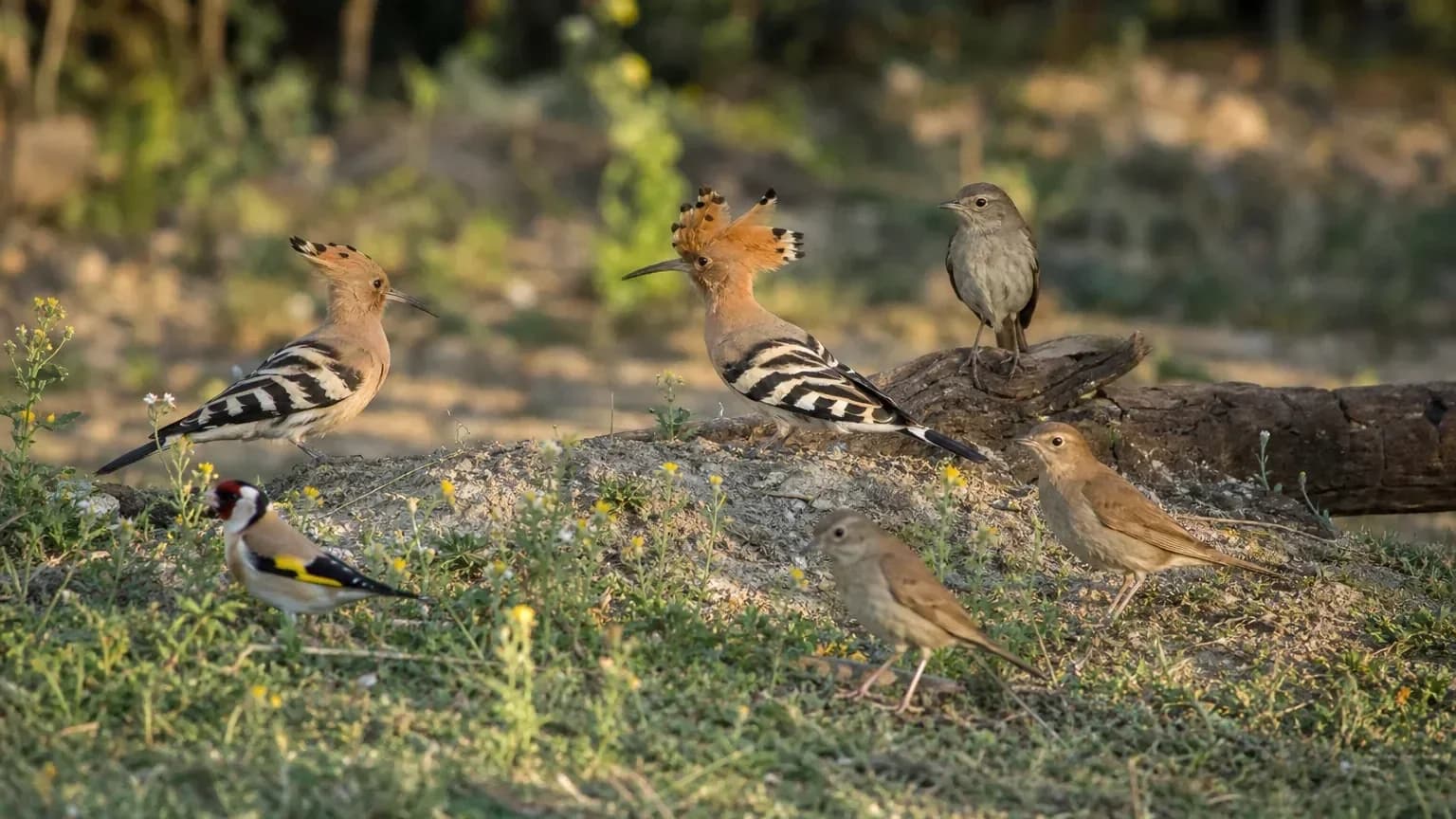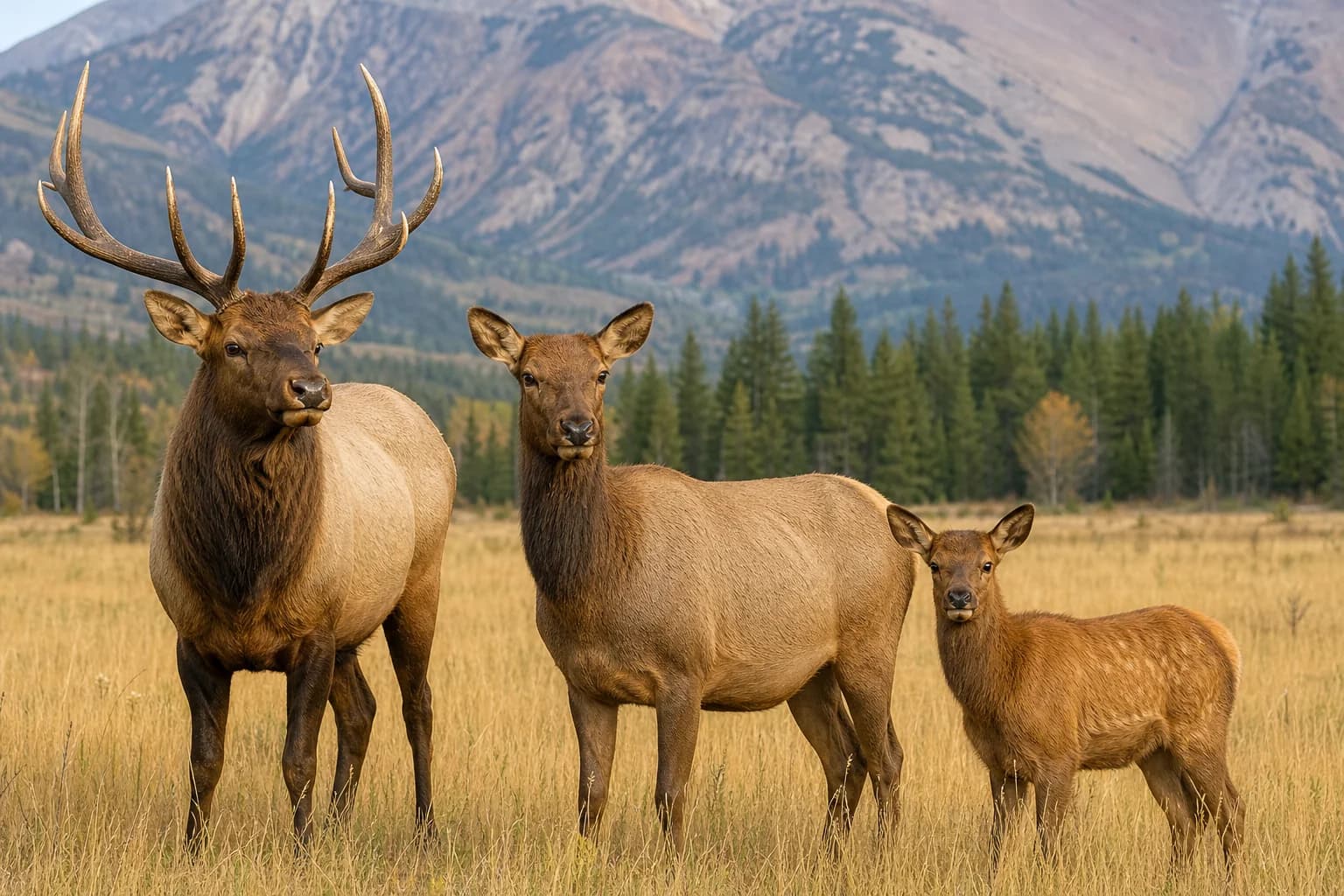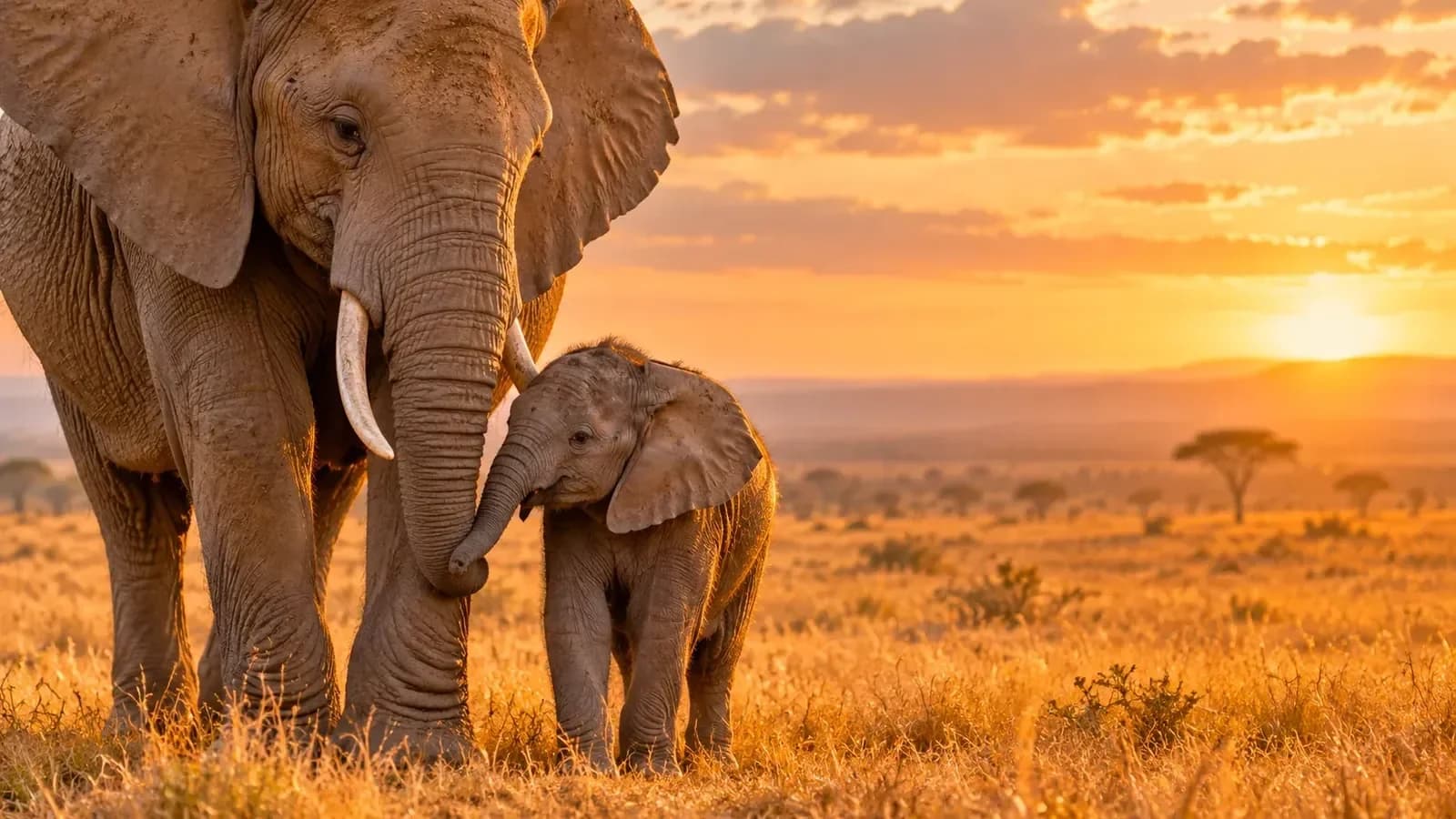
Monitored wildlife populations in Africa fell by an average of 80% between 1970 and 2022, according to the 2026 Living Planet Report from the Zoological Society of London and WWF. This collapse in measured numbers does not mean 80% of species have disappeared, but it does sound the alarm on the state of the continent's biodiversity.
An 80% decline in monitored populations across Africa
The figure comes from the 2026 Living Planet Report, published on 8 October by the Zoological Society of London together with WWF. The study draws on 35,803 population trends covering 5,790 vertebrate species worldwide. In Africa, across mammals, birds, fish, reptiles and amphibians, the average size of monitored populations fell by 80% between 1970 and 2022.
What this figure shows – and what it doesn't
The distinction matters. This rate does not mean Africa has lost 80% of its animals or its species, the report itself makes clear. It measures an average change in monitored populations, not a count of extinctions. Globally, the decline stands at 73%, rising to 95% in Latin America and the Caribbean, the worst-affected region. For Africa, the 2024 edition had already put the decline at 76% over half a century.
Why wildlife is declining
The causes overlap almost everywhere. Habitat destruction and degradation top the list, followed by overexploitation, climate change, pollution, invasive species and disease. In the Congo Basin, agricultural expansion, logging and mining, roads fragmenting the forest, and poaching all take a heavy toll. As a result, African forest elephants have lost more than 60% of their numbers in a few decades, mainly due to habitat loss and poaching for ivory.
Where conservation efforts last, wildlife returns
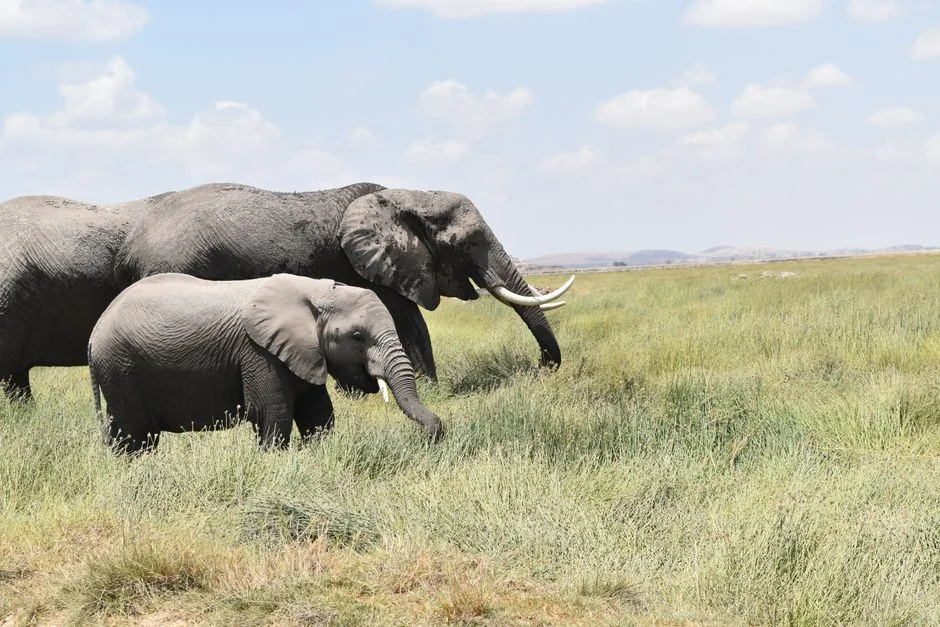
The picture isn't all bleak. Worldwide, half of monitored populations are stable or increasing, and signs of recovery appear wherever conservation efforts are sustained over several decades. In southern Africa, savannah elephant populations are on the rise again, driven by management approaches that directly involve local communities.
« [Reversing the trend] requires coordinated action between governments, civil society and other sectors »
The role of wildlife parks, closer to home too
This distant battle is also being fought in our own wildlife parks and zoos. Many take part in breeding programmes for endangered species and help fund on-the-ground conservation work, all while helping families understand just how fragile wildlife can be. Taking your children to see an elephant or a rhino also gives them a reason to want to protect it. To take things further, our nature walk ideas are a reminder that biodiversity starts just down the path.
The report lands ahead of COP17 on biodiversity, where states are due to assess their progress towards the 2030 targets. The message comes down to one line: decline is not inevitable, provided we act quickly and together.