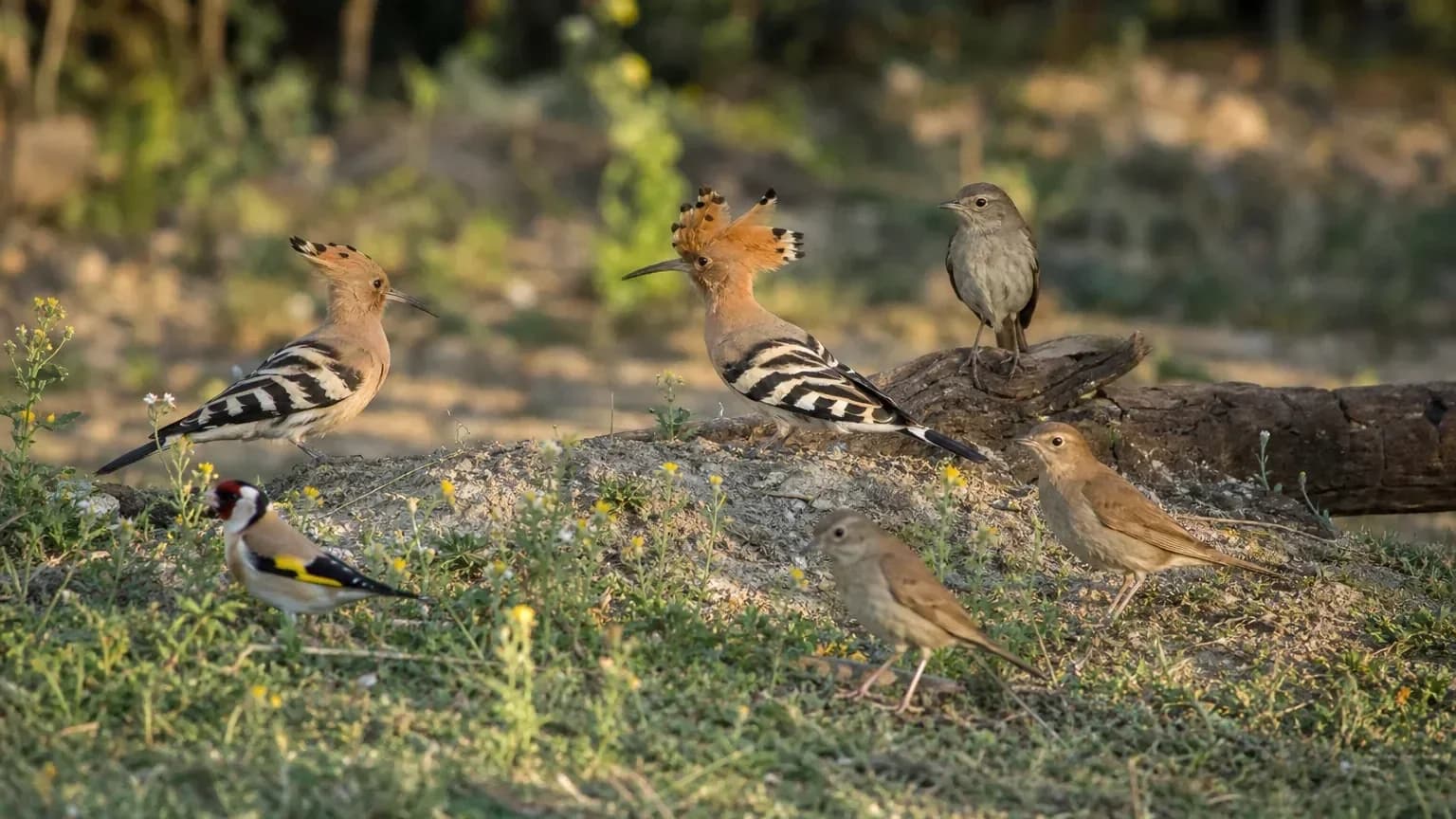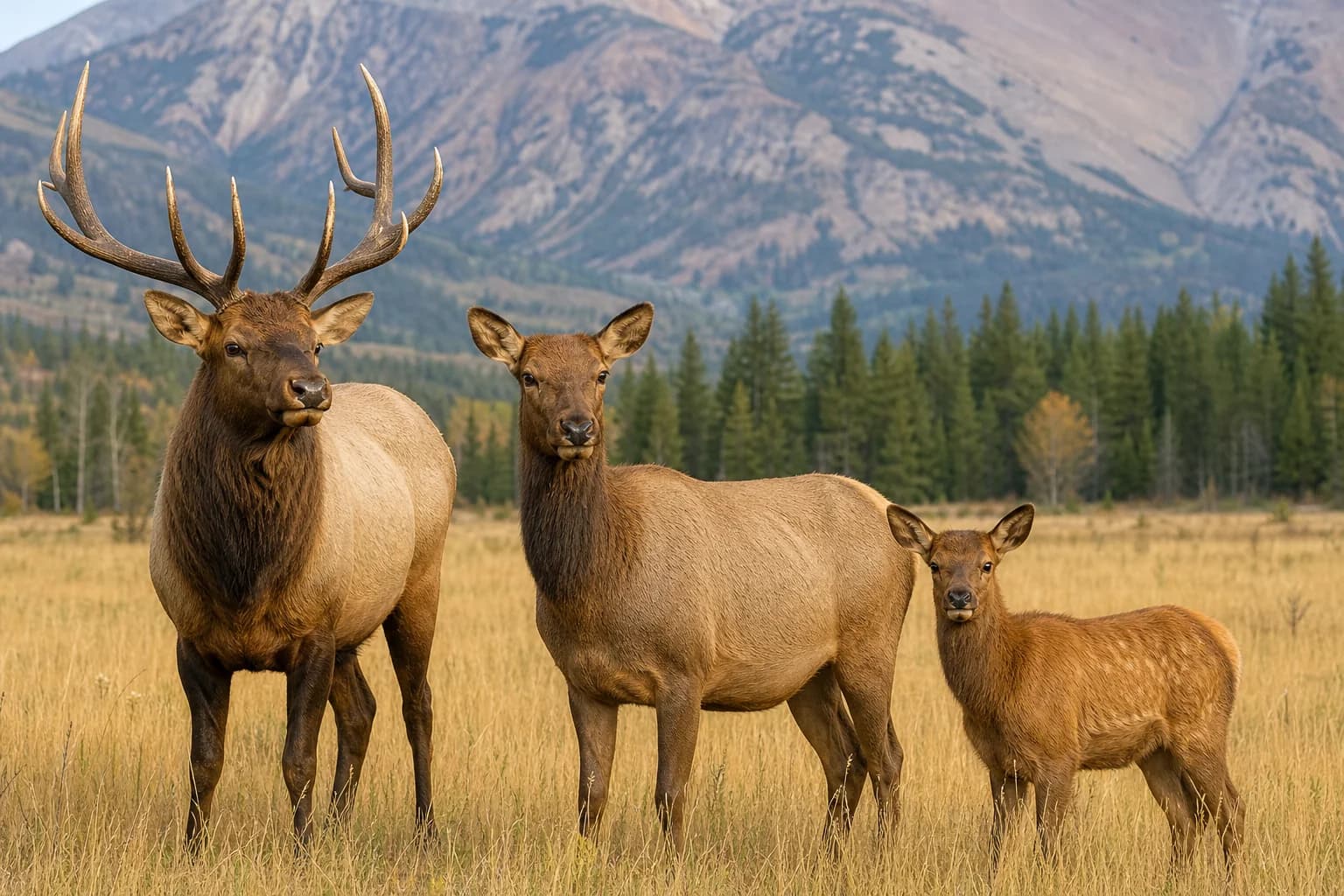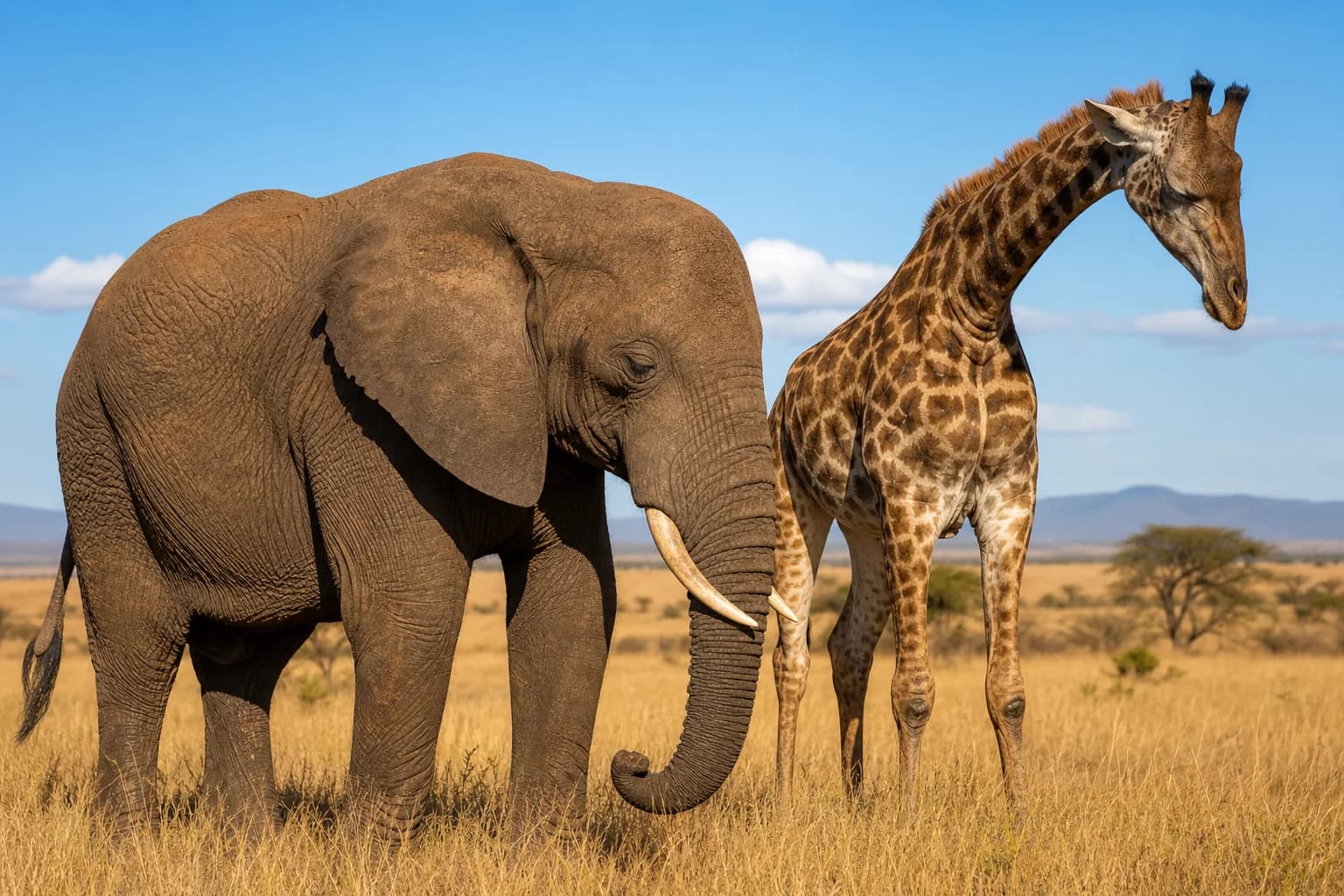
The savannah elephant and the giraffe are among the lightest sleepers in the animal kingdom. In the wild, an elephant naps for only around two hours a day, usually standing up, while the giraffe splits its rest into short naps. Their size and the threat of predators explain this tiny amount of sleep.
We sleep for eight hours, they barely manage two
An adult aims for seven to nine hours of sleep a night. The largest land mammals do the opposite. Among mammals, the biggest species are often the lightest sleepers: a mouse sleeps around fifteen hours, you sleep about eight, and the giants of the savannah drop below the three-hour mark. Sleep is a costly luxury for animals that must eat almost constantly.
Elephants: two hours of sleep, often standing up
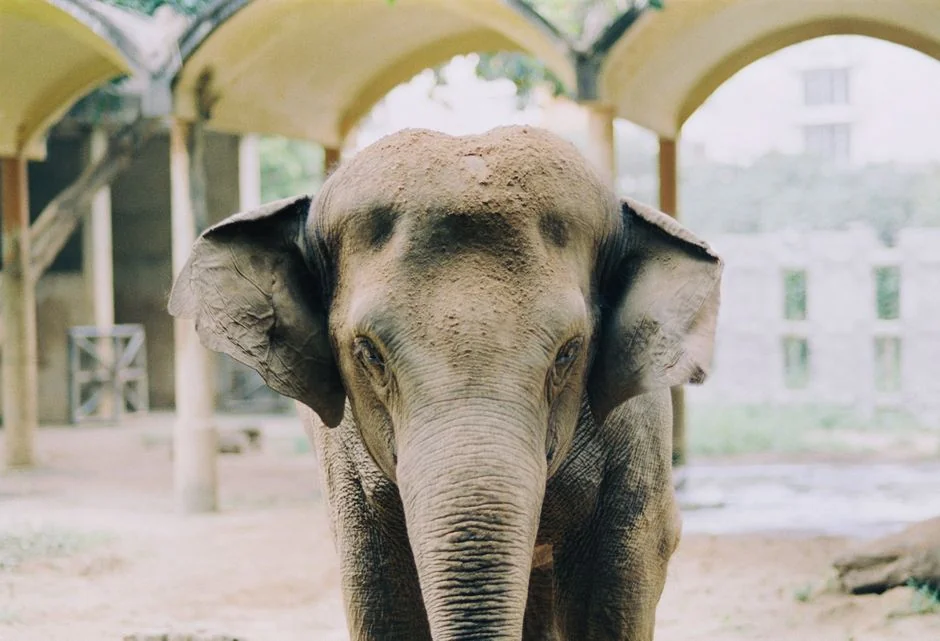
In 2017, a team of researchers fitted two savannah elephant matriarchs with motion sensors in Chobe National Park, Botswana. The verdict, published in the journal PLOS ONE: these wild elephants slept an average of two hours a day, mostly between 2am and 6am. That's the shortest daily sleep duration ever recorded in a mammal.
"It's the lowest amount of sleep of any mammal studied to date."
They slept standing up most of the time. Lying down properly happened only every three or four days, for around an hour, likely their window for REM sleep. More striking still: on five occasions, one elephant went up to 46 hours without sleeping at all, covering nearly 30 km, without making up the lost sleep afterwards.
Giraffes: micro-naps and barely any deep sleep
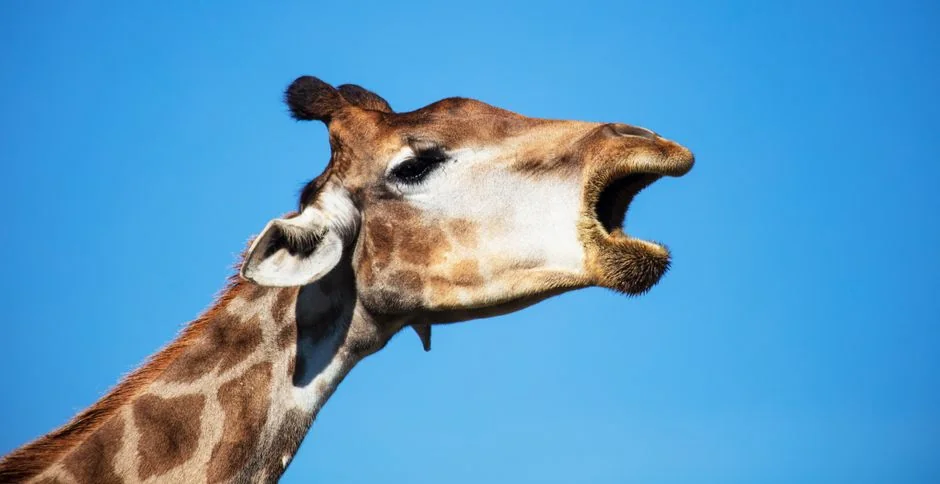
The giraffe plays in the same league. By filming eight zoo giraffes over 152 nights, a 1996 study published in the Journal of Sleep Research measured total sleep of around 4.6 hours a day, broken up into very short phases, often under eleven minutes. The animal rests mostly standing up, ready to bolt at any moment.
Deep sleep, meanwhile, is extremely rare. To reach it, the giraffe lies down, folds its long legs underneath it and rests its head on its hindquarters. This posture lasts only a few minutes: REM sleep accounted for less than 5% of resting time. In the wild, with no shelter or keeper watching, that figure is likely even lower - records vary depending on whether the animal is in captivity or free.
Why do these giants sleep so little?
Three reasons combine. Size, first: an elephant eats more than 100 kg of vegetation a day, and a giraffe grazes for hours on end. Eating that much leaves little time for rest. Digestion, next: these herbivores continuously process low-nutrient food, a job that runs around the clock.
Then there's fear. A lying-down giant is a vulnerable giant: getting back up takes precious seconds when a lion is nearby. Sleeping standing up, in short bursts, means keeping an eye on the savannah at all times. This minimal sleep isn't some gratuitous feat - it's a direct response to size, stomach and danger.
Where to see elephants and giraffes in France
You don't need the savannah to encounter these champions of minimal sleep. Several French zoological parks are home to elephants and giraffes, often in vast mixed plains where you can watch them graze, walk and, occasionally, doze off standing up. Around midday, keep an eye on the giraffes: a folded leg, a lowering neck, and you might just catch a micro-nap. For more family day-out ideas, or to spot our own native wildlife, take a look at our nature walks.
Two hours of sleep, a whole lifetime on watch: next time you yawn after eight hours in bed, spare a thought for the elephant that's already back on her feet, walking.
Your questions, answered
Which animal sleeps the least in the world?
The savannah elephant holds the record measured to date: around two hours of sleep a day in the wild, according to the study by Gravett and colleagues published in 2017. The giraffe follows close behind. Both rest mostly standing up and lie down only briefly.
Do elephants sleep standing up?
Yes, most of the time. The wild elephants tracked in Botswana slept mainly standing up and only lay down every three or four days, for around an hour, for their deepest sleep.
How long does a giraffe sleep?
In captivity, a giraffe sleeps around 4.6 hours a day, broken up into short naps, according to a 1996 study. Its deep sleep, with its head resting on its hindquarters, lasts only a few minutes at a time. In the wild, it likely sleeps even less.