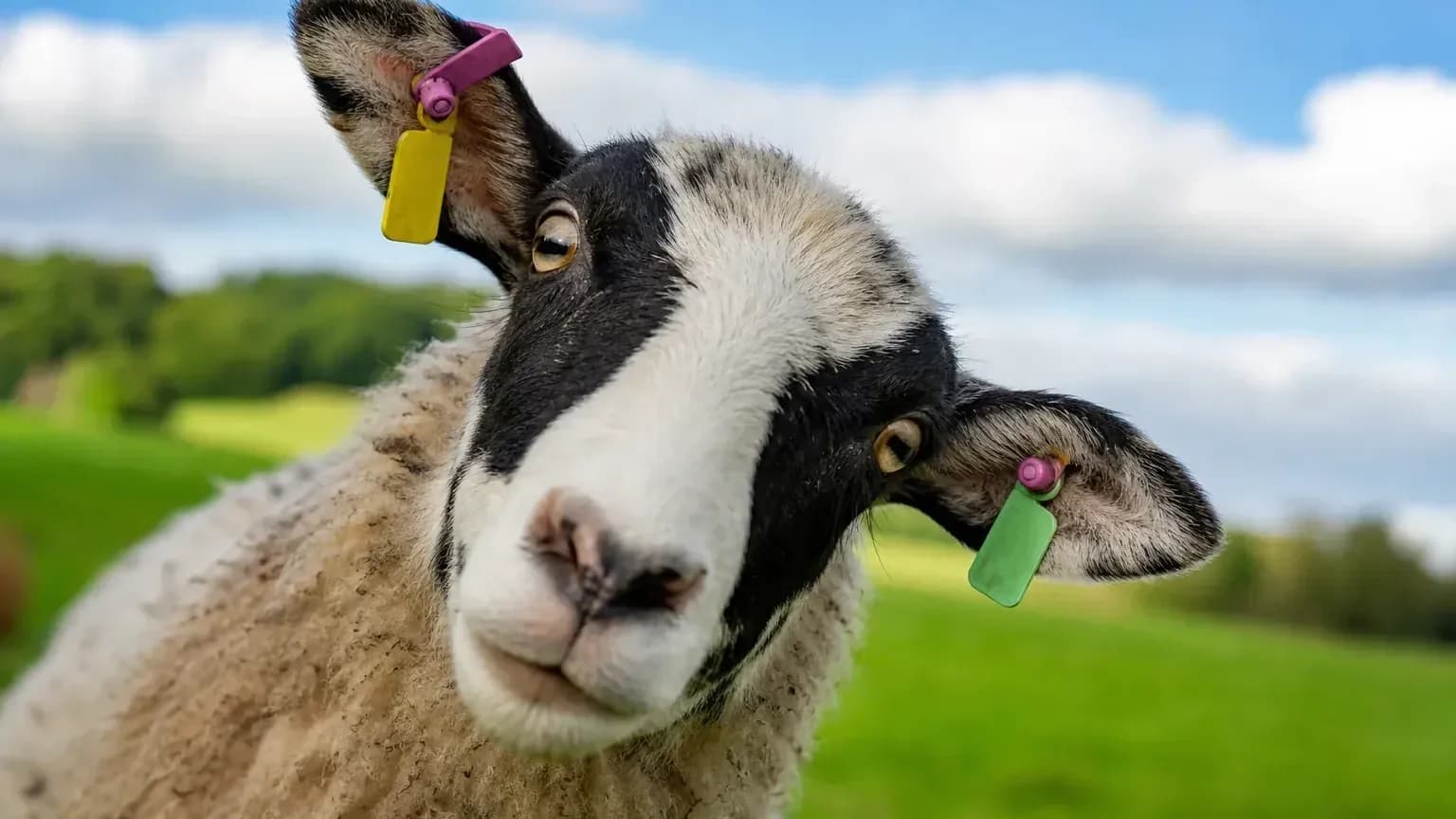
As part of this groundbreaking research, scientists set up an experiment in which sheep were shown images of celebrities, including Barack Obama and Emma Watson, alongside control images. Using a reward-based system, the animals learned to select the correct photo. Choosing the right image triggered an infrared sensor that released food, while an incorrect choice produced a sound with no reward. This learning process proved effective, allowing the sheep to quickly grasp how the system worked.
An innovative learning protocol
The researchers designed a protocol in which the sheep had to distinguish a celebrity's face from an unfamiliar one. Initially, the images were displayed against a black screen, but the difficulty was gradually increased to assess the animals' facial recognition abilities. The results showed an average success rate of 80%, far above what chance would predict. However, when the photos were slightly tilted, accuracy dropped by around 15%, a pattern also seen in humans when identifying profile portraits. Professor Jenny Morton, who led the study, noted that sheep display facial recognition skills comparable to those of humans and primates.
Recognising handlers and future implications
In a further stage of the experiment, the researchers included photos of the sheep's handlers among the celebrity images. Although the animals had never seen these portraits on screen before, they spent around two hours a day with their handlers. Even so, they managed to recognise these faces correctly seven times out of ten. One interesting behaviour was observed: the sheep seemed to hesitate between the two screens before choosing the photo they recognised. This ability to identify humans goes beyond simple shape recognition, suggesting a more complex cognitive process at work.
The implications of this research extend well beyond scientific curiosity. More than 6,700 people in the UK live with Huntington's disease, a neurodegenerative condition that affects cognitive and motor function. Professor Morton and her team are studying the disease by following sheep that carry the genetic mutation responsible for it. The facial recognition protocol allows them to track changes in the animals' cognitive abilities over time.
Sheep brains share notable similarities with human brains in terms of size and complexity. Their long lifespan and detailed brain anatomy make them a valuable model for better understanding neurological disorders. The study was funded by the CHDI Foundation, a US organisation dedicated to Huntington's disease research, underlining the significance of this work for both veterinary and human medicine.