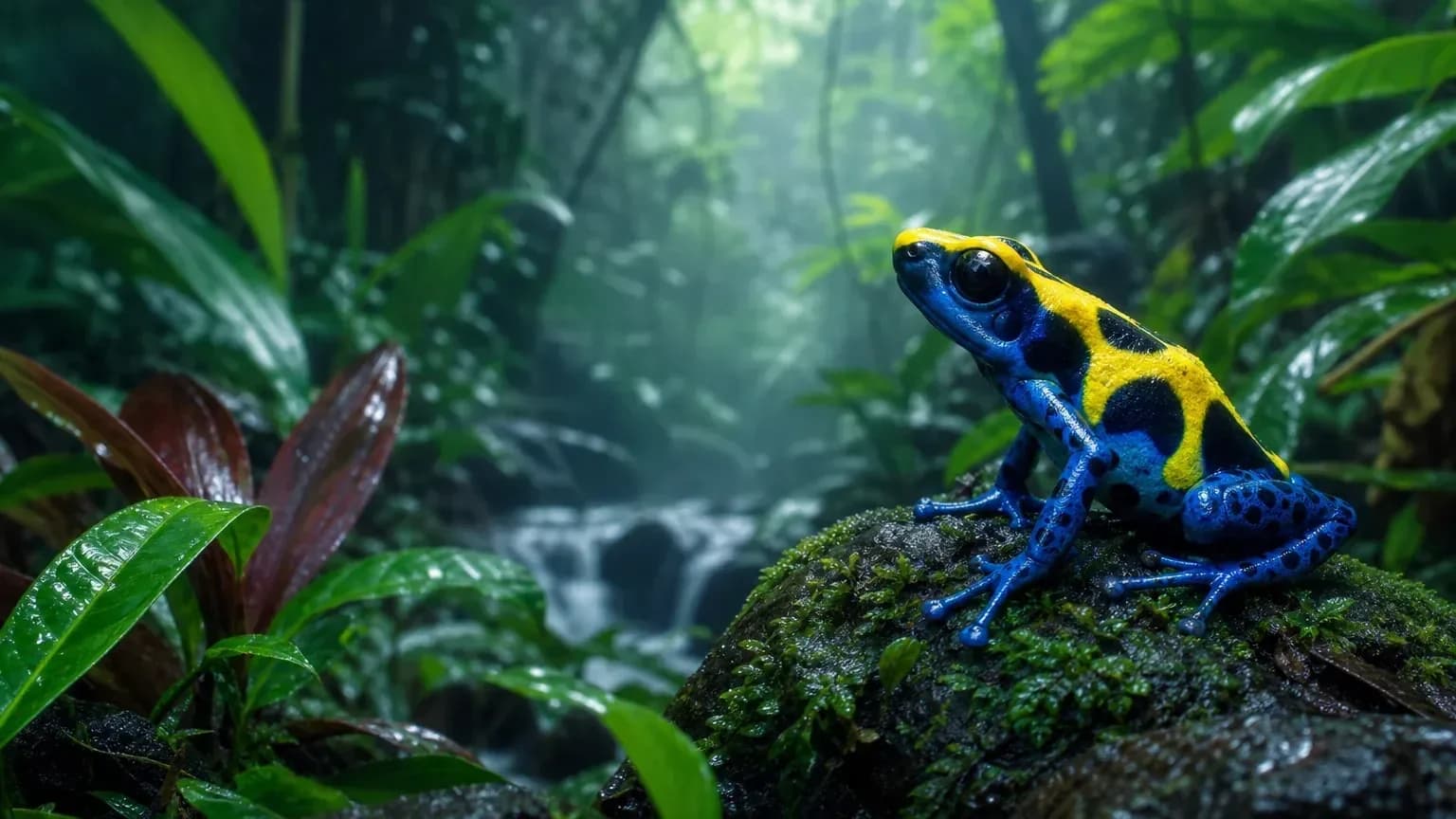
The Excidobates perplexus frog, measuring between 15.1 and 18.3 millimetres, was discovered in the region of the Paute river and the Cordillera del Cóndor, in south-eastern Ecuador.
Its modest size is offset by vivid, varied colouring. Two distinct populations have been observed, one with a black back marked with a red reticulated pattern, while the other has a green back with yellow spots. This chromatic diversity inspired the species' scientific name, which evokes the puzzling patterns of its pigmentation.
Scientific studies and analysis

The discovery of this species was the result of a collaboration between the National Biodiversity Institute (Inabio) and other academic institutions. Researchers carried out in-depth morphological and genetic analyses, also studying the frog's calls and natural environment. Although the differences in appearance between the populations might have suggested distinct species, genetic analysis revealed a similarity of 99.3 to 99.4%, confirming that it is indeed a single species.
Environmental threats
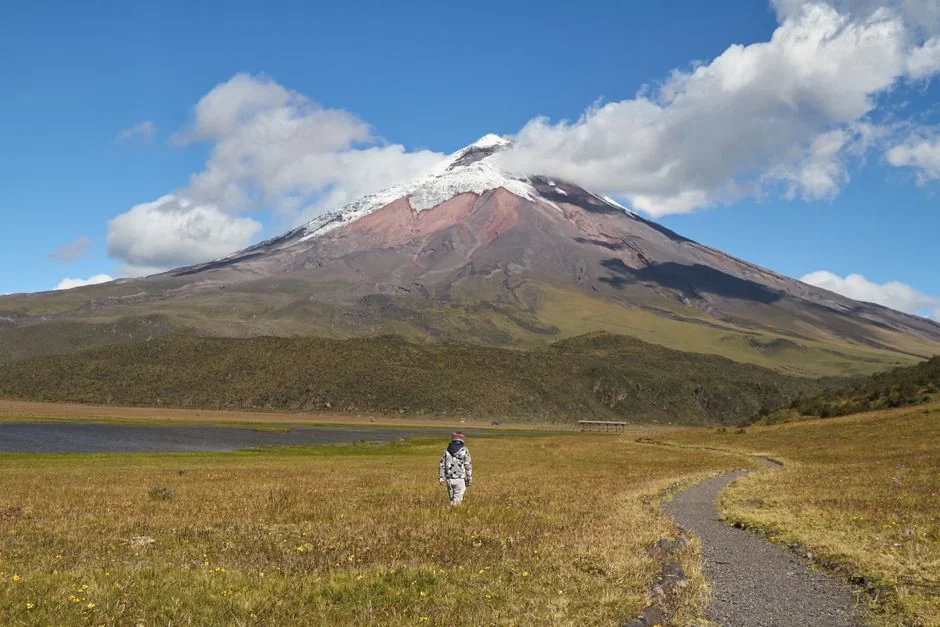
The natural habitats of Excidobates perplexus, which include ancient, well-preserved forests, are under serious threat from various human activities. Mining, particularly in the Cordillera del Cóndor, poses a major danger. Mining concessions are seeking to extract resources such as copper, gold and molybdenum, leading to habitat destruction and disrupting the region's ecological balance. This loss of habitat is one of the main causes of the decline in amphibian populations worldwide.
In addition, the illegal capture of these frogs for the pet trade is another worrying threat. Poisonous frogs are particularly sought after by collectors, driving growing demand on the black market. This illegal exploitation endangers not only Excidobates perplexus but also other poisonous frog species found in the region, contributing to an alarming decline in their numbers.
Protection initiatives and the species' future
Researchers, including specialists from the Universidad San Francisco de Quito and the University of Central Florida, have called for Excidobates perplexus to be listed as Critically Endangered on the IUCN Red List. This classification highlights the urgent need for conservation initiatives to protect these essential habitats. Preserving this frog is crucial not only for its uniqueness, but also for its role in maintaining the balance of the ecosystems it inhabits.
The survival of Excidobates perplexus can serve as an indicator of the health of its environment. Protecting it could also benefit other species living in its habitat. A comprehensive study detailing the species' characteristics and the threats it faces has been published in the journal Zootaxa.