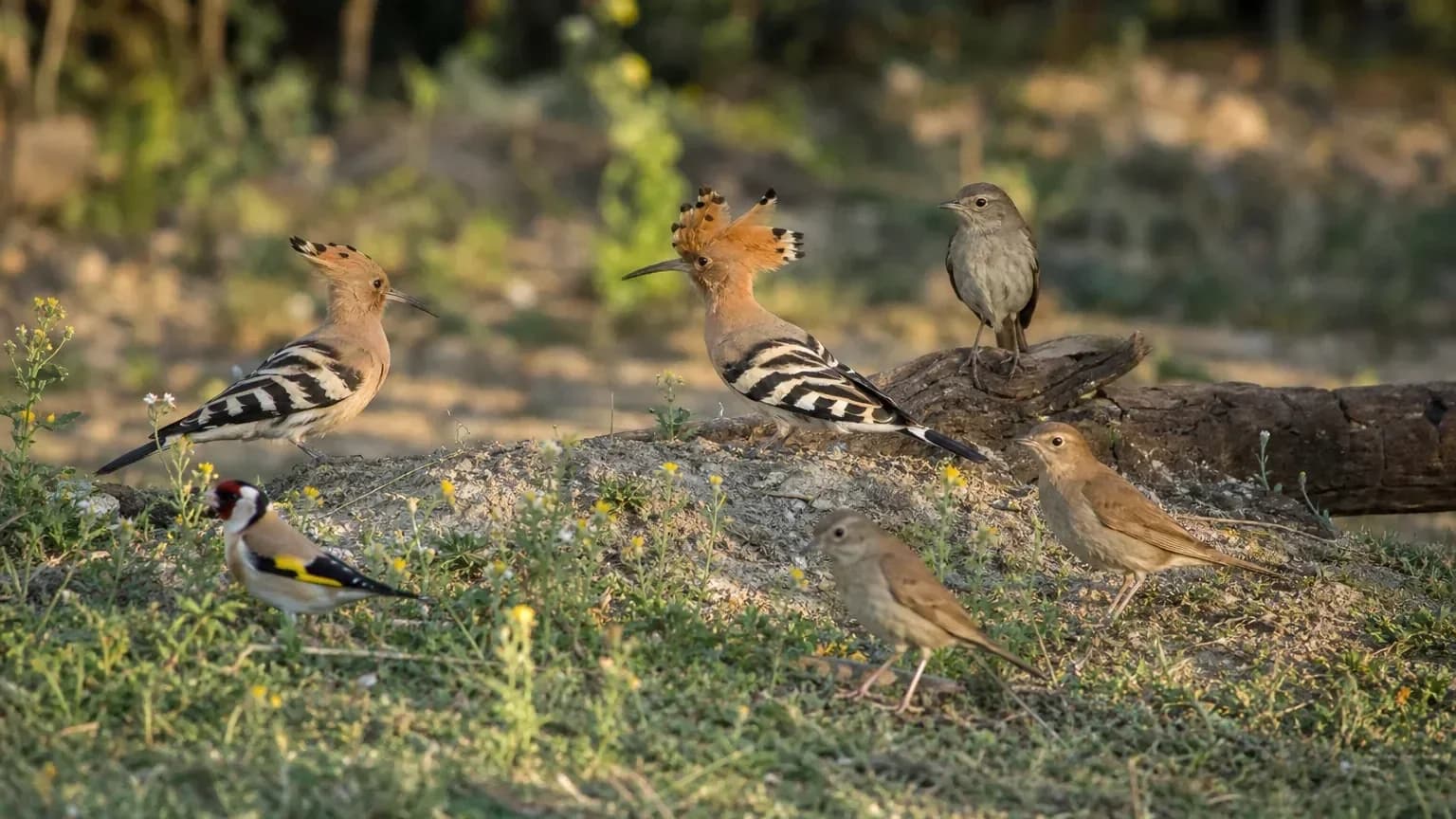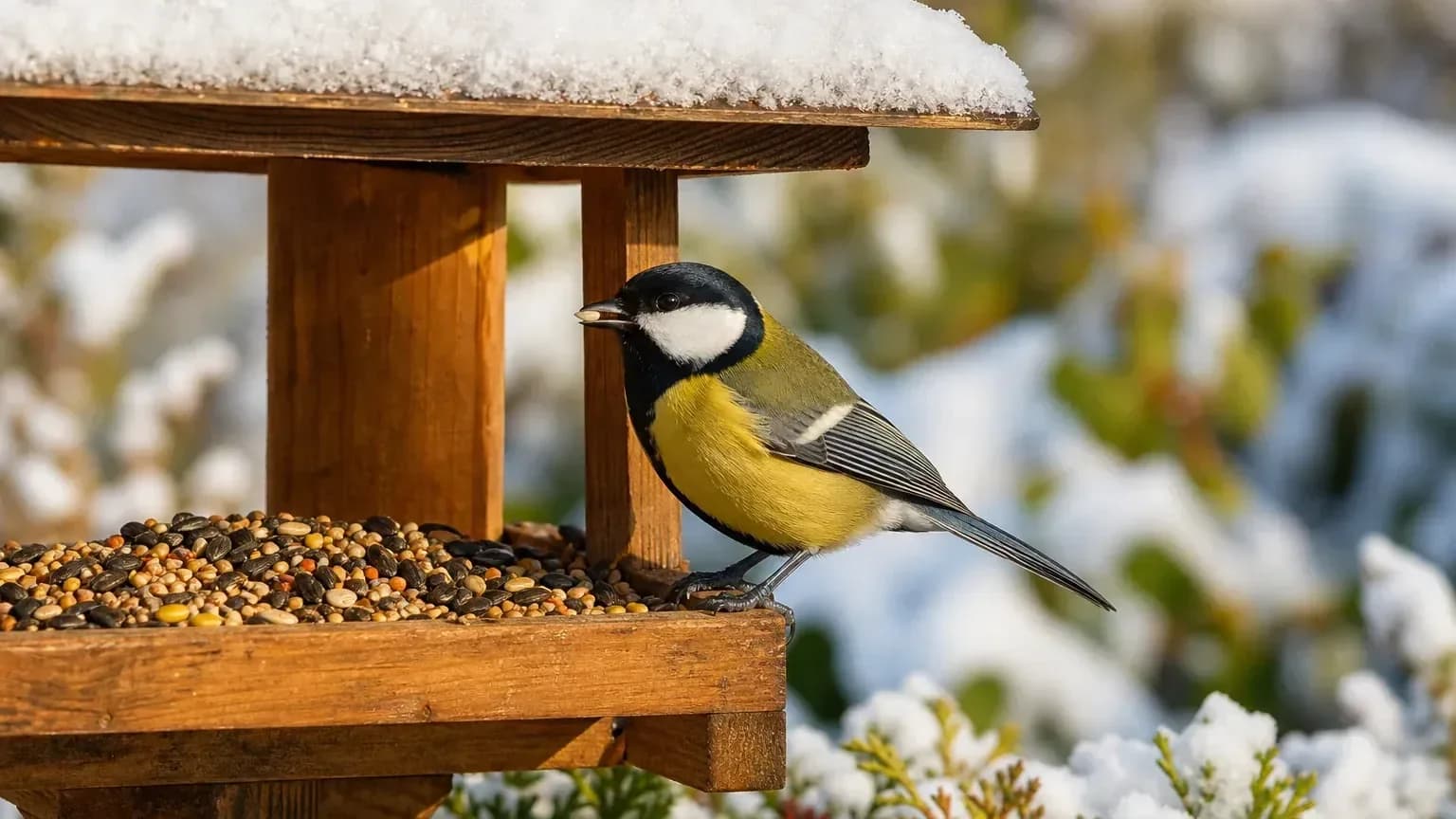
Feeding birds during winter is indeed beneficial, but it must be done the right way. The LPO states that feeding should begin in mid-November and continue until the end of March. Outside this period, it's best not to provide food, since in spring and summer birds feed mainly on insects, and young birds need to learn to fend for themselves rather than relying on feeders. Once you start feeding the birds, it's important to do so regularly. They become used to coming at set times, so it's recommended to fill the feeder in the morning and top it up again in the late afternoon, especially when it snows.
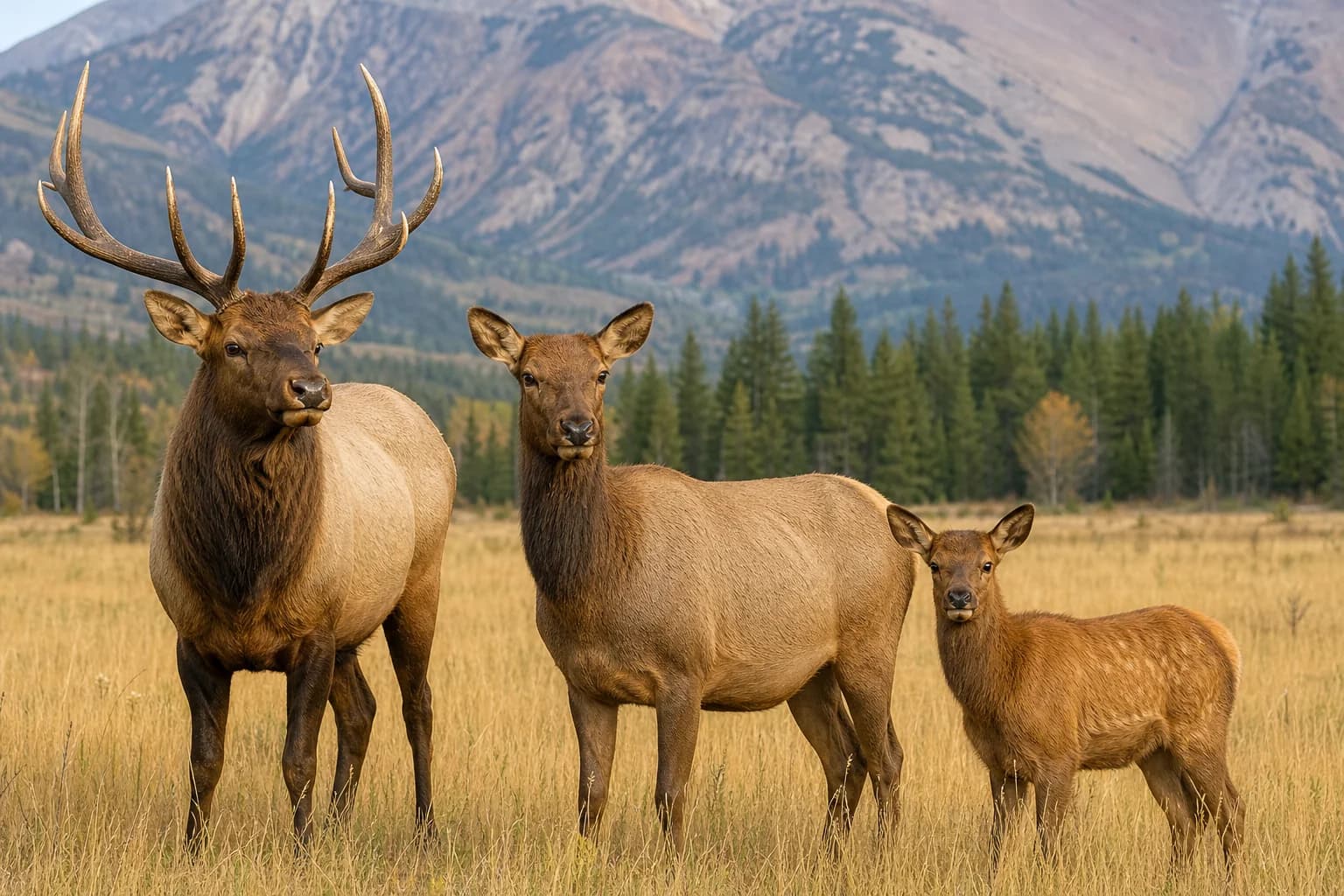
- The return of elk to Kentucky: a successful reintroduction
- Fiona, star hippo at Cincinnati Zoo, rushed into emergency care after swallowing a visitor's beanie
- Common cranes: thousands of birds are crossing French skies right now – here's where to watch them for free
Choosing the right food
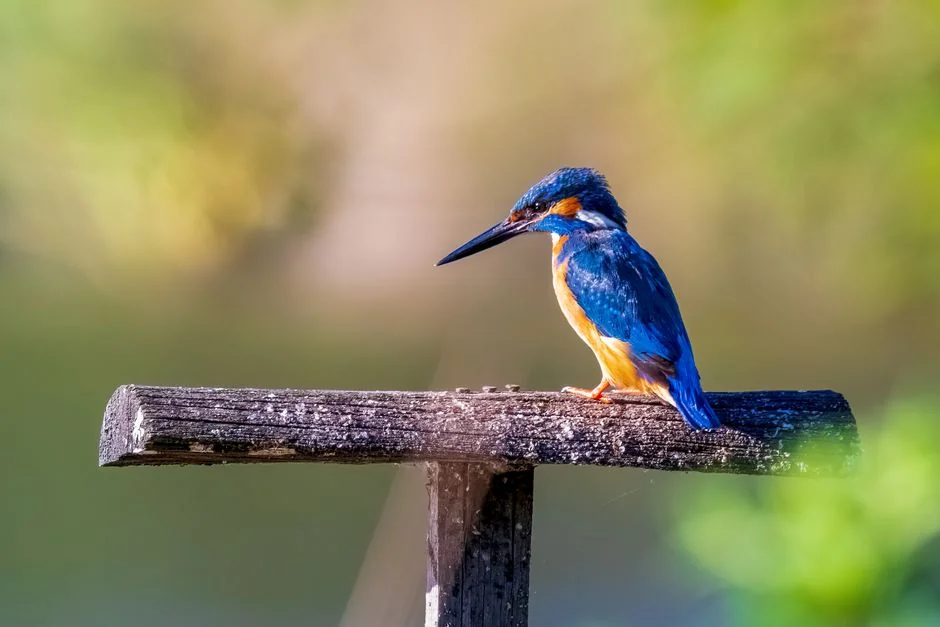
To feed birds effectively, it's essential to choose the right food. Sunflower seeds, unsalted peanuts and wild bird seed mixes are particularly popular. You can also offer fruit such as apples or pears, especially in winter when insects are scarce. Fat balls, which contain seeds and natural fats, are another excellent option for providing the energy birds need during cold spells. However, avoid giving them bread, as it can cause digestive upsets.
Setting up a suitable feeder
Choosing the right feeder matters just as much. Make sure it's secure enough to keep predators away and easy to clean. A model with a roof can help protect the food from rain and snow. Place the feeder in a quiet, sheltered spot, ideally near a bush or tree, so birds can take cover from danger. Also think about positioning feeders away from strong winds and bad weather.
Remember hygiene: clean the feeder regularly to prevent the spread of disease and keep the food fresh. By feeding birds properly, you're not only helping their wellbeing but also treating yourself to a lively, colourful display in your garden throughout winter.