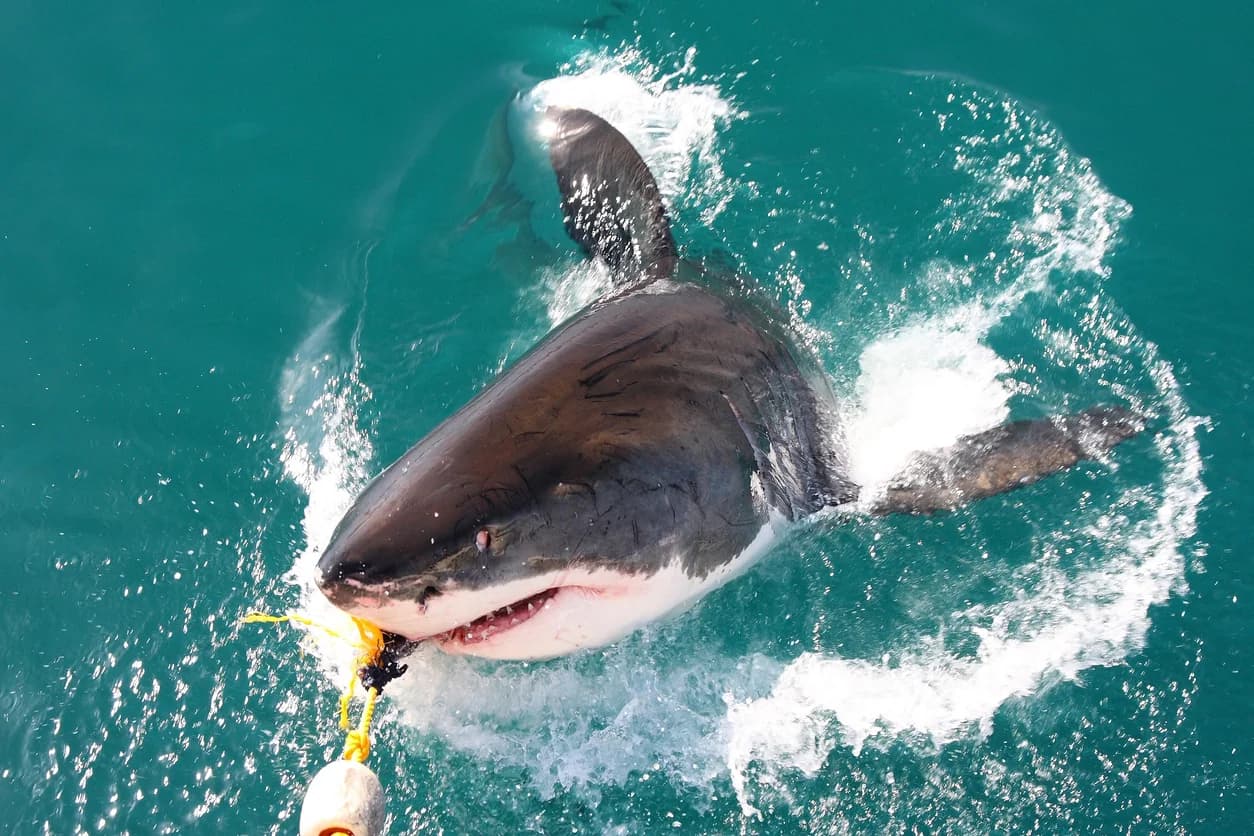
Eighty sand tiger sharks (Carcharias taurus) left Delaware Bay between 2018 and 2024 bound for public aquariums, almost all of them abroad, even though catching the species is banned in US waters.
A recreational angler who hooks one has to put it straight back. A private company with the right paperwork, on the other hand, can ship it off to Abu Dhabi. That's the finding of a study published in 2026 in Frontiers in Conservation Science.
Two sharks taken in 2018, forty in 2023
Catches have climbed over five years: 2 animals in 2018, 40 in 2023, according to the study carried out by the University of Delaware, Delaware State University and the University of Rhode Island.
The top two destinations are China and the United Arab Emirates, ahead of South Korea and Thailand. A few specimens have ended up in Europe, including France, and a handful have stayed in the United States. The study also records 35 collection requests filed in 2025, with China topping the list.
Why a shark banned from fishing can end up in Abu Dhabi
The legality of the whole chain hinges on two successive sign-offs. The operator first obtains an exemption fishing permit from NOAA Fisheries, assessed "on a case-by-case basis" within an annual quota, then a scientific collection permit issued by the State of Delaware, which follows the federal ruling.
Two separate figures need distinguishing: permits issued on one hand, animals actually taken out of the water on the other.
Brad Wetherbee, co-author of the study, sums up the situation with an image: it's the equivalent of going into Yellowstone National Park, catching wolves and selling them to foreign zoos.
The comparison holds up, since Yellowstone's wolves embody the protection of a species within its own territory, whereas Delaware's sand tiger sharks are traded under permit. The leading collector, Florida-based company Dynasty Marine, states in a written statement that every one of its catches complies with "the full range of federal and state permits and regulations" and that the animals are then handed over to professional keepers.
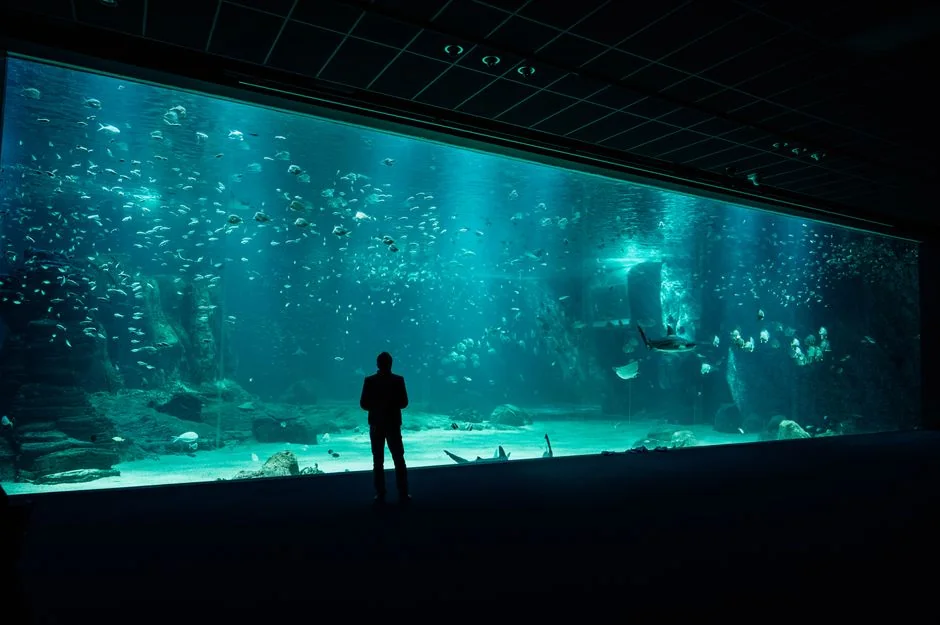
According to records reviewed by The Guardian, it took 71 sharks between 2022 and 2024 for five public aquariums: Abu Dhabi, Dubai, Busan, Phuket and Guangzhou.
A species that's slow to replace itself, and a law that's shifting
The sand tiger shark has one of the lowest reproduction rates of any shark: maturity between 6 and 10 years old, and one or two pups every two to three years, with the dominant embryo devouring its siblings in the womb.
Listed as critically endangered on the IUCN Red List globally, it survives in the north-west Atlantic thanks to US protections, but this population has never been formally assessed. Given that, it's hard to say what taking 40 animals, often large juveniles close to breeding age, actually costs it.
On the regulatory side, Florida has moved: the reform adopted by the FWC bans exporting species classed as threatened from that state. It doesn't affect the federal permits governing Delaware Bay. One blind spot remains: neither Delaware's agency nor NOAA Fisheries records what happens to the animals once they've left, including illness or death, The Guardian reports. The state agency says it wants to fix this.