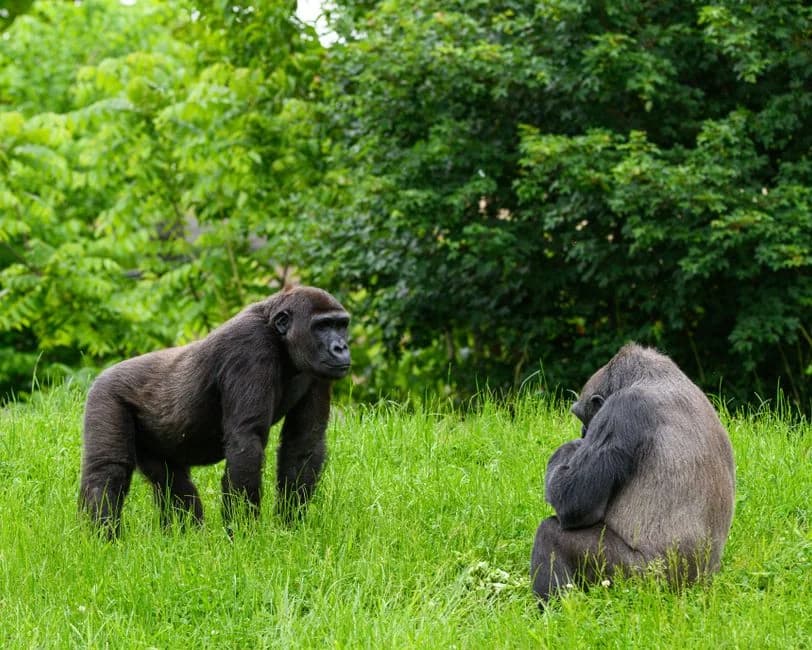
Mimi was born in 1963, probably in Cameroon, before being captured and brought to Europe in 1965.
At the time, capturing animals from the wild was common practice, but it is now banned under strict regulations designed to protect endangered species.
In the wild, gorillas typically live to around 40, while in captivity their life expectancy can reach 50. Given her advanced age, Mimi could become the oldest of her species, although she doesn't hold that title yet – it currently belongs to Fatou, who will soon turn 70.
A life at Wilhelma Zoo
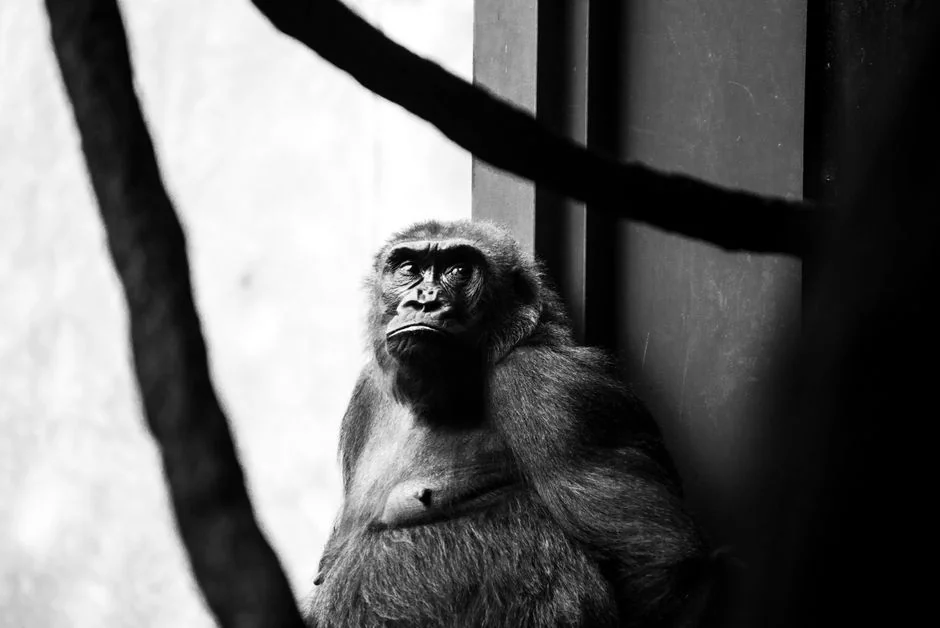
Mimi has lived at Wilhelma Zoo since 1973, where she has had several different enclosures over the years. At first, she lived in an area considered modern for its time, featuring facilities such as a carousel and a paddling pool. However, the zoo also faced criticism over its captivity conditions, which were deemed inadequate for animal welfare. In 2013, a new habitat was built for Mimi, offering a larger space better suited to her natural needs.
Tailored care and an enriching environment
https://youtu.be/40HssvtwFMo?si=iazSfb79PkTGLtkH
Keepers at the zoo make a point of offering varied activities to keep the animals stimulated. Devices such as foraging boxes and hollow wooden structures filled with treats are used to encourage Mimi and her fellow gorillas to explore. Varied meals are also served throughout the day, incorporating natural elements such as leaves and twigs, to recreate an environment closer to their native habitat.
An impressive family tree
This October 2026, Mimi is celebrating her 63rd birthday, a remarkable achievement for a gorilla. Her family tree is equally impressive, with a total of 11 children, 18 grandchildren, 18 great-grandchildren and 3 great-great-grandchildren. Her youngest son, Meru, was born in 2004, when she was 41 – a late age to give birth. This is backed up by a recent study showing that female gorillas can continue to reproduce long after their last offspring, offering a note of hope for the species' long-term survival.