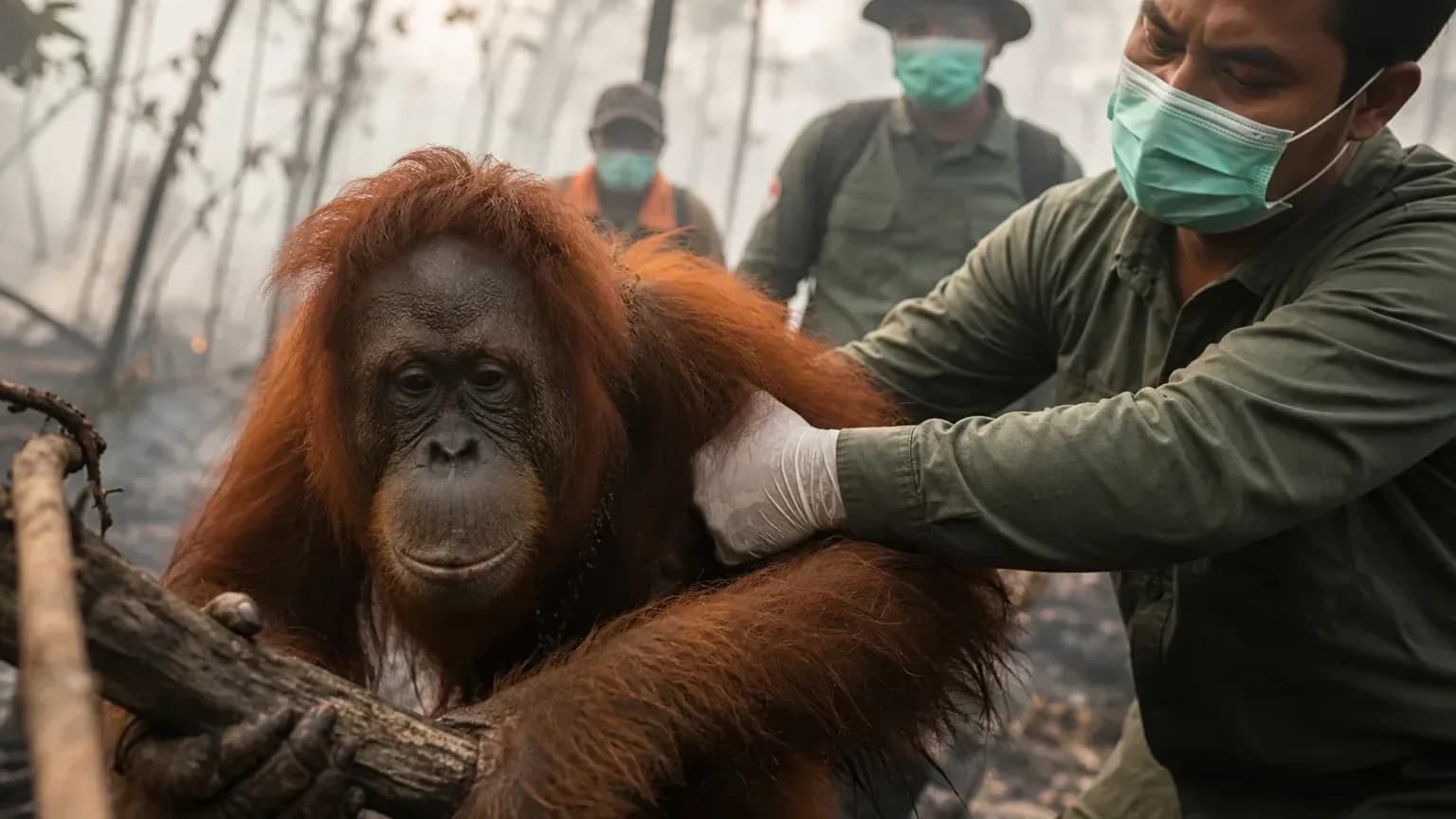
Over the past few weeks, several dozen orangutans have been rescued from the flames devastating their natural habitats across the Indonesian archipelago. These fires, which have caused persistent air pollution, have also affected public health, leading to school closures and a rise in respiratory problems among both humans and animals.
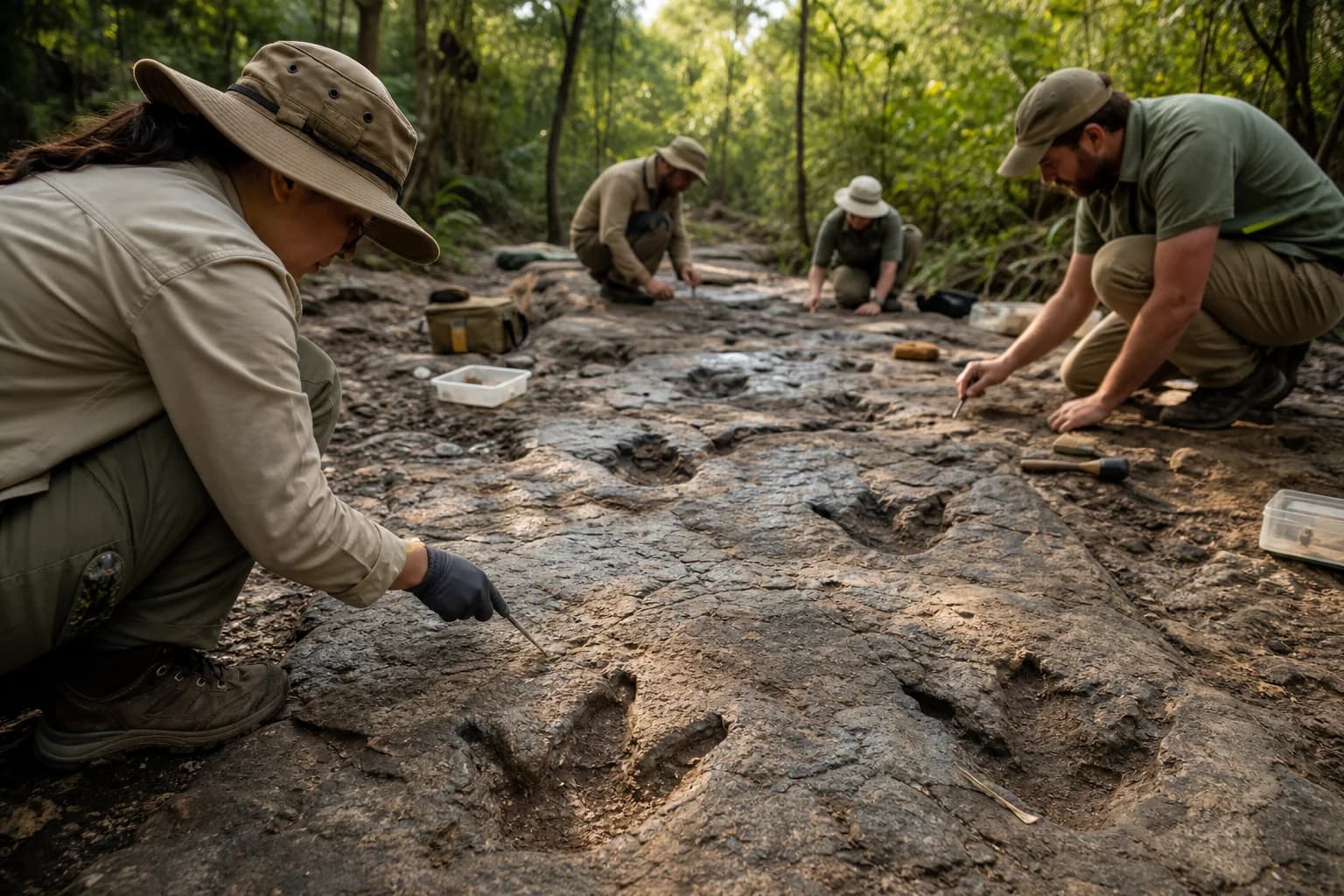
- Dinosaurs in the Bouches-du-Rhône: how a forest near Aix hides a palaeontological treasure
- This Sea Slug Can Sever Its Own Head and Regrow an Entire Body
- These 115-million-year-old cells could rewrite the history of dinosaur blood, say Australian researchers
Rescue operations under way
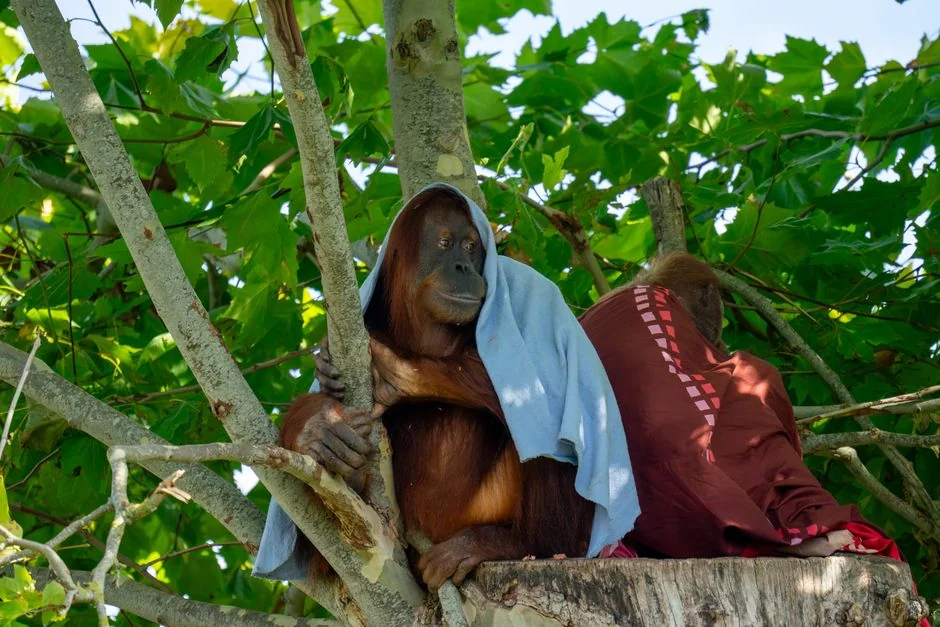
Efforts to save the orangutans are continuing at pace. Between 6 August and 10 October 2026, a rescue team successfully evacuated 51 orangutans from various threatened areas in the West Kalimantan region, on the island of Borneo. The work was carried out in partnership with the Natural Resources Conservation Agency and the YIARI organisation. According to the Ministry of Forestry, the total number of orangutans rescued in this region over the period could reach 96.
Latest rescue and the fallout from the fires

The most recent rescue took place only days ago, when three NGOs stepped in to save a 20-year-old male orangutan in Hampangen, in the province of Central Kalimantan. Teams from the Borneo Orangutan Survival Foundation, the Natural Resources Conservation Agency and WWF Indonesia carried out the operation with great care. After sedating the animal, vets carried out a health check before transferring him to a rehabilitation centre.
The fires have also had other notable knock-on effects, disrupting around 2,400 flights across Indonesia since mid-August because of toxic smoke. The situation remains worrying and underlines just how important it is to protect endangered species in the face of environmental disasters.