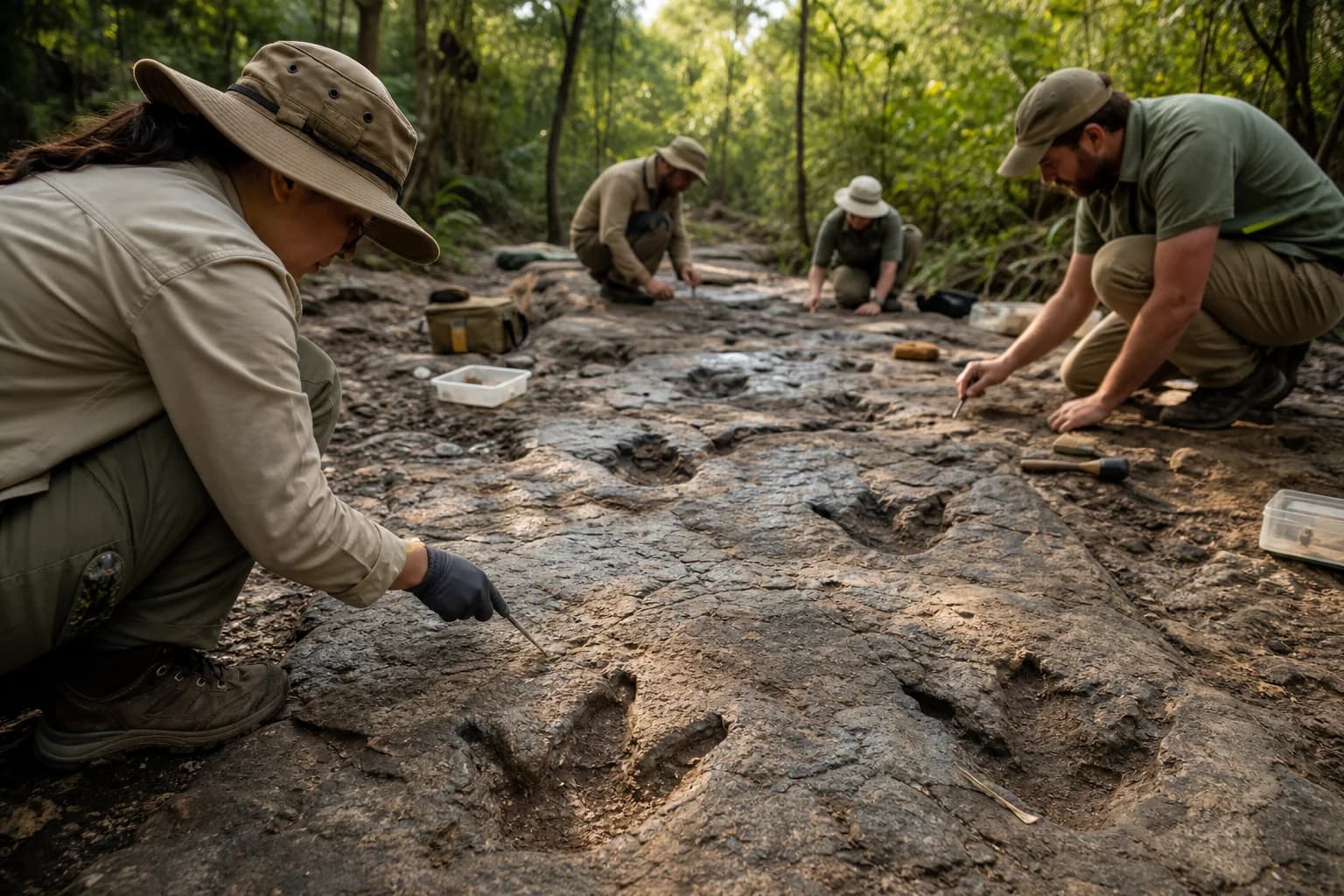
This Monday, deep in the Fuveau forest, researchers gathered to examine a slab of limestone that could hold some fascinating secrets. Yves Dutour, head of the Aix natural history museum, expressed his delight at seeing the number of markers needed to identify the tracks discovered double, rising from 200 to 400. These markers, in the form of small numbered cubes, stretch across several dozen metres and flag each footprint left behind by animals that once walked this ground.
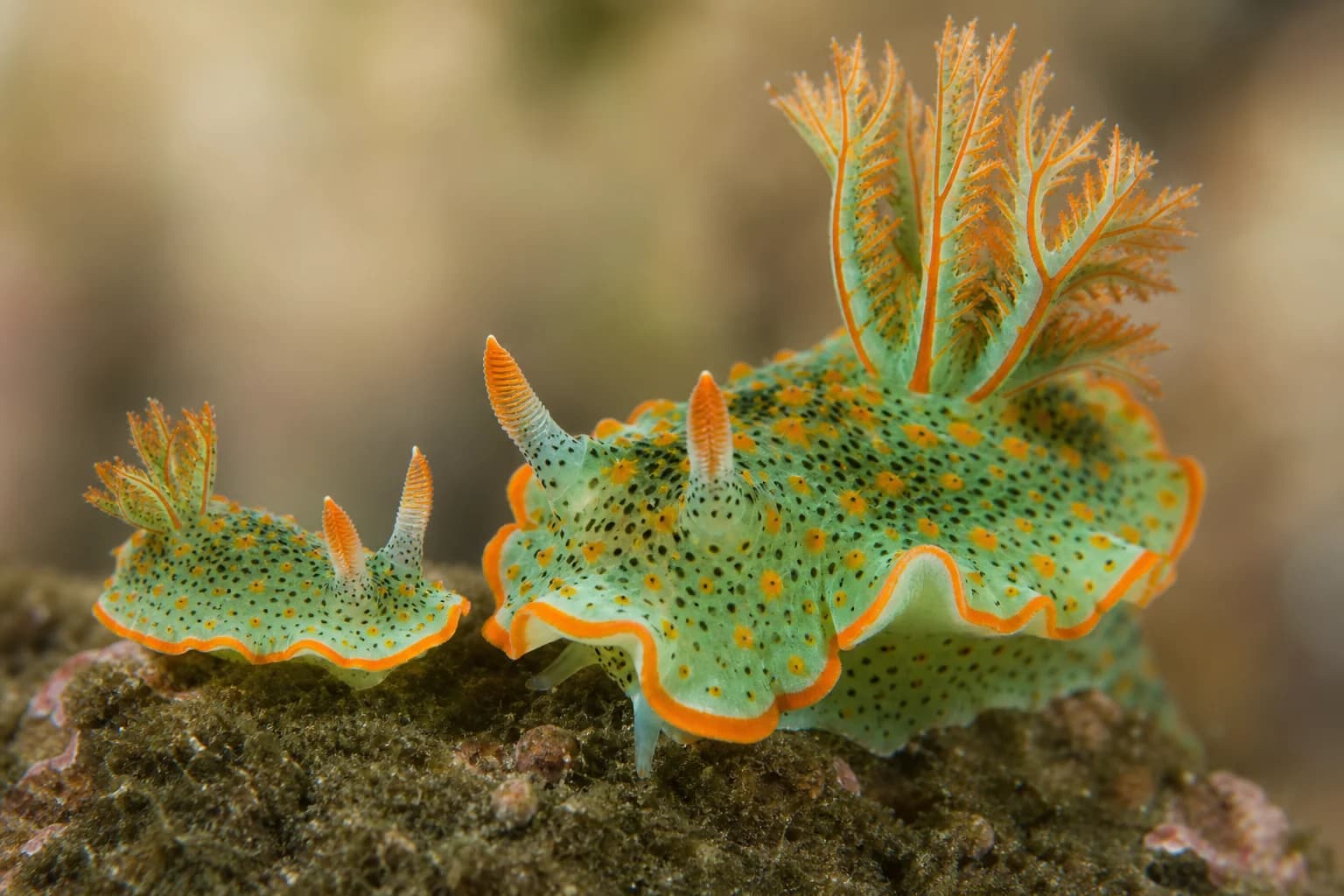
- This Sea Slug Can Sever Its Own Head and Regrow an Entire Body
- These 115-million-year-old cells could rewrite the history of dinosaur blood, say Australian researchers
- 58°C and 11-metre crystals: this cave was home to some of the world's largest crystals
Revealing footprints
The scientists, including Thierry Tortosa, palaeontologist and curator of the Sainte-Victoire national nature reserve, have identified dinosaur footprints, probably belonging to sauropods. But that's not all: some marks could also belong to prehistoric crocodiles, although this is yet to be confirmed. These discoveries are crucial to building up our knowledge of the species that inhabited this region during the age of the dinosaurs.
An in-depth study
Ongoing sediment analysis should shed further light on the ecological context of these footprints. Researchers hope this will help fill in the missing pages of dinosaur history, offering valuable insight into their way of life and environment. This initiative highlights the importance of palaeontological research in our quest to understand past biodiversity.