Situated at almost 2,800 metres above sea level, the cave was discovered on 3 July 2026 by Kurt Walde, a mountain guide and caver, in the Dolomites of South Tyrol, northern Italy. To reach the unexplored cavity, a metal grille was fitted into an almost vertical rock face. Walde expressed his amazement at the discovery, calling it incredible in a video broadcast by a German media outlet.
A cave rich in prehistoric remains
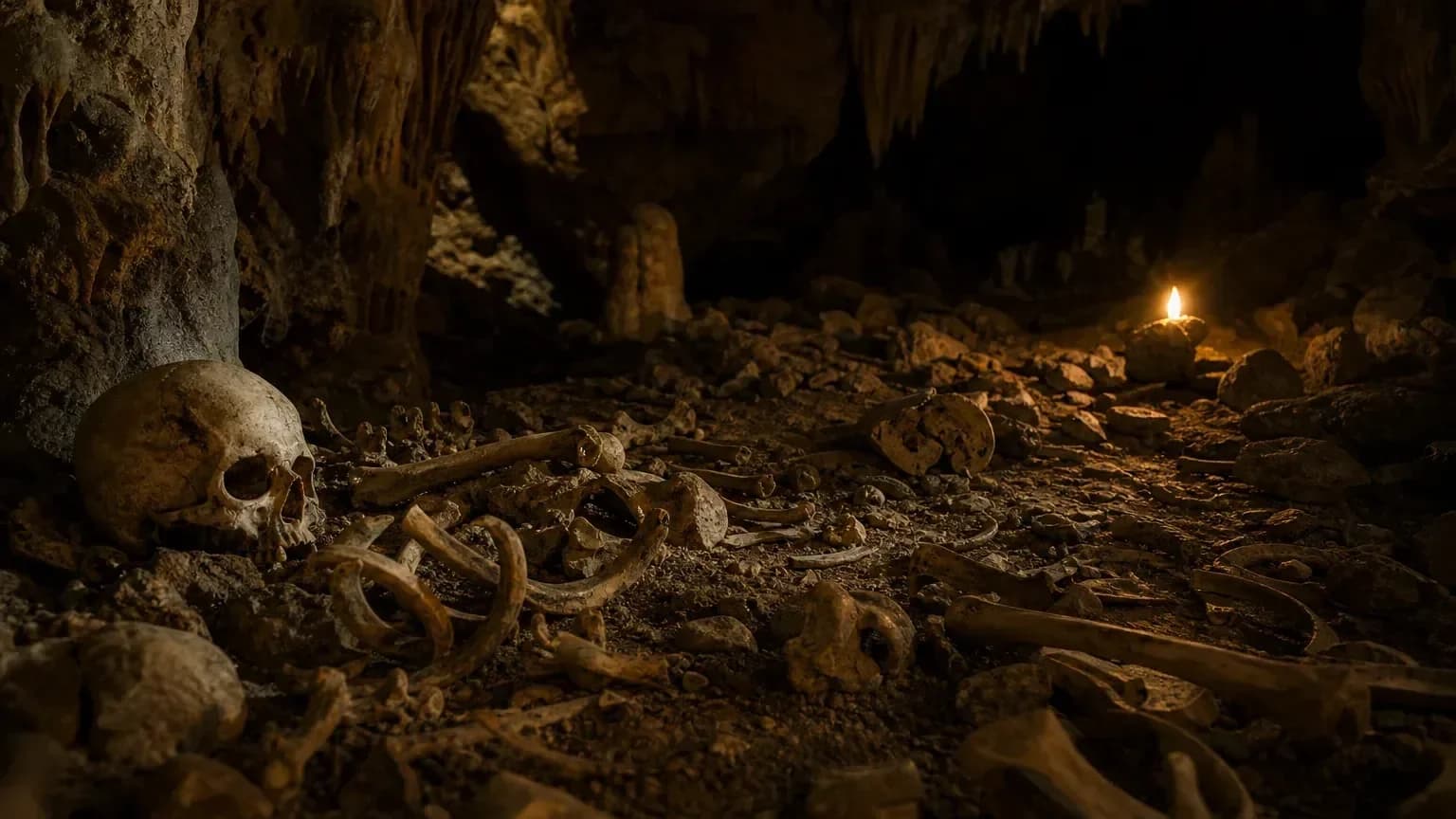
The cavity, roughly 170 metres long with passages six to eight metres high, was identified near the summit of the Conturines, in Val Badia. Initial exploration uncovered thousands of bones, some belonging to almost intact skeletons. It is, however, too early to speak of thousands of skeletons, as the exact number is yet to be determined.
A history of earlier discoveries
This site is no stranger to palaeontologists. Back in 1987, another guide, Willy Costamoling, had already discovered a bear cave lower down the mountain. A 2017 study revealed that the bones in that earlier cavity dated back 46,000 to 50,000 years. These datings do not necessarily apply to the new discovery, however, and further research will be needed to establish the age and identity of the animals found, potentially species such as Ursus spelaeus or Ursus ladinicus.
Protection and forthcoming studies
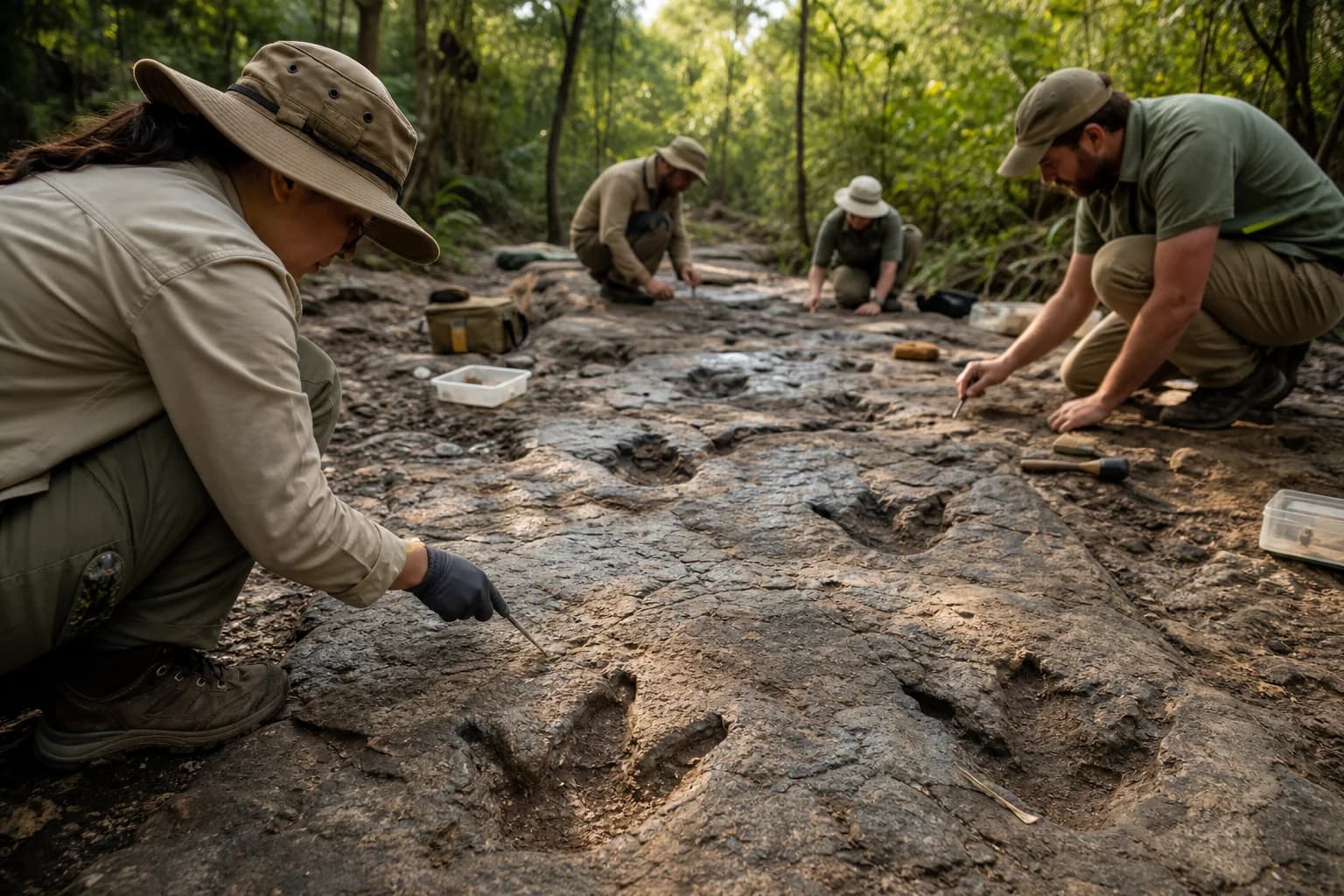
The site was closed to prevent any damage before analysis can be carried out. Christian Terzer, head of the provincial archaeology department, stressed the need to protect the site from potential looters. A dust-proof sheet was installed, followed by a grille at the entrance. Research teams, wearing protective suits, removed only a single bone, which was at risk from the installation work. The fossils found could help explain why cave bears became extinct, though they are unlikely to provide a complete answer on their own.
A 2019 genetic study showed a decline in bear populations around 40,000 years BCE, coinciding with the arrival of modern humans, though it did not prove that hunting was the sole cause of the extinction. The site's state of preservation is of particular interest to researchers, who hope to analyse the DNA in the bones and sediments, as well as traces of ancient vegetation and climate. They also plan to check whether this cave connects to the one discovered in 1987, although this has not yet been confirmed. Due to winter conditions, the cliff face is currently inaccessible, but further investigations are planned for June 2027.