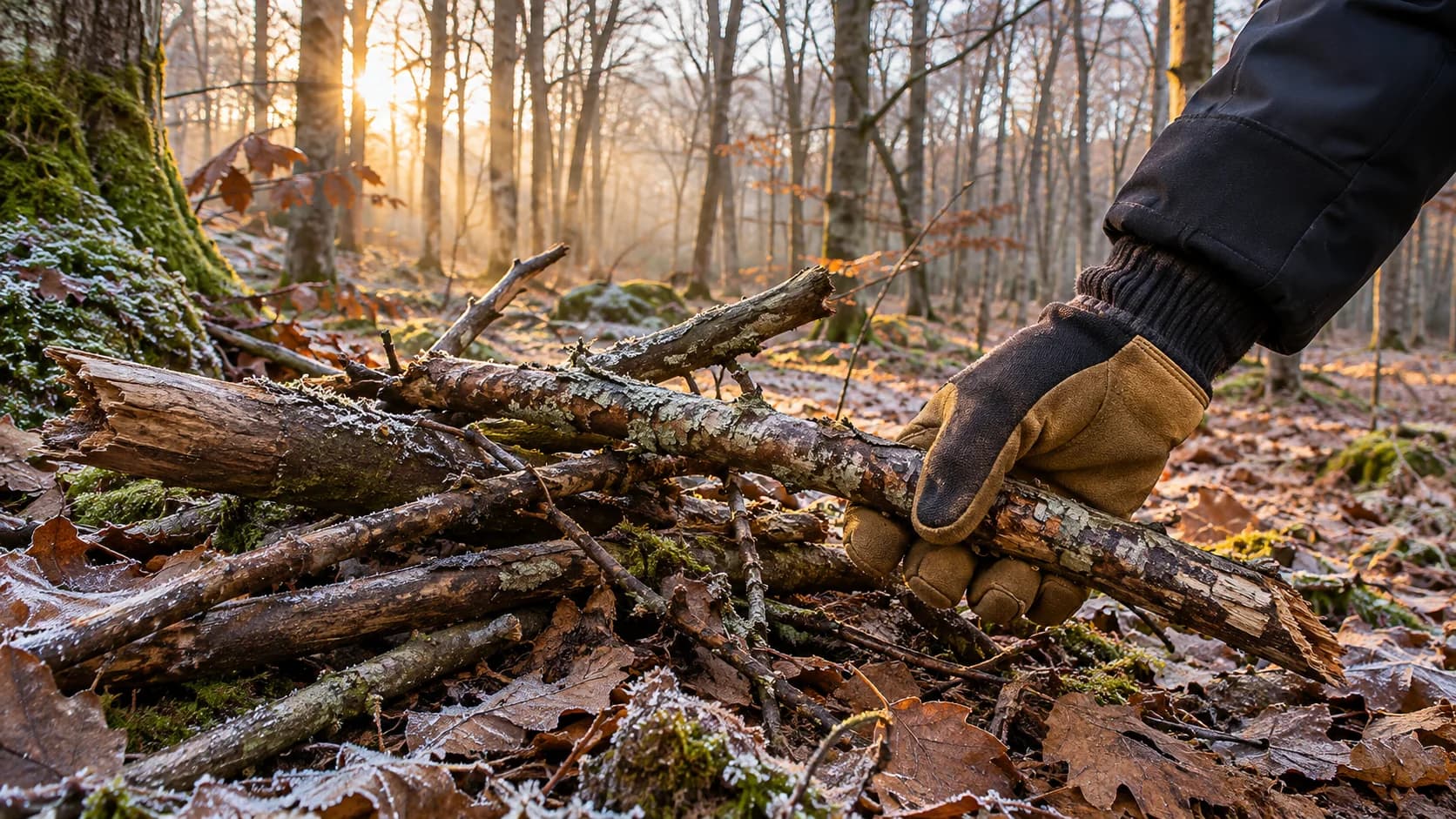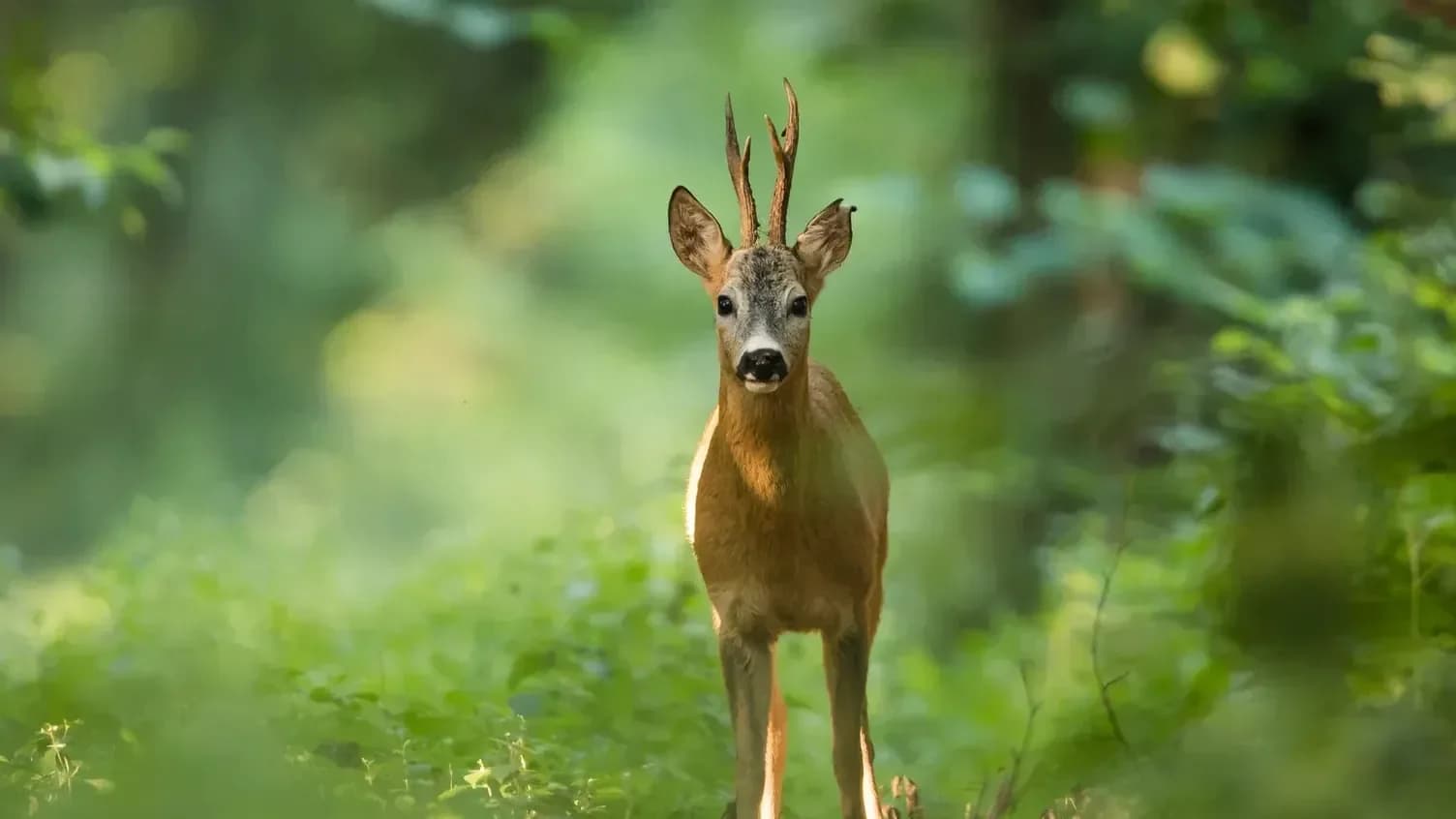
In autumn, male roe deer shed their antlers in the forest, and it's tempting to pick them up. Yet doing so is often against the rules. In privately owned forests, taking an antler counts as theft. In national parks, it's strictly forbidden. Generally, only communal forests allow a little gathering for personal use.
What the law says about fallen antlers
Two legal texts govern the matter. Article R163-5 of the Forestry Code forbids taking forest products without the landowner's permission. Article 547 of the Civil Code adds that products of the land and the offspring of animals belong to the owner. A shed antler falls into this category. In a privately owned forest, picking one up therefore amounts to theft, punishable by a fine. Even lying on the ground with no apparent value, it legally has an owner.
Communal forest, national park: different places, different rules
On public land, it all depends on the site. Communal forests generally allow a small amount to be collected for personal use, provided it was found by chance rather than deliberately sought out.
In national parks, on the other hand, collecting shed antlers is strictly forbidden and can lead to a fine. The safest approach is always to check with the ONF (French National Forestry Office), the local council or the landowner before taking anything away.
Why roe deer shed their antlers in autumn
An antler is not a horn. In the roe buck, the male roe deer, it's a bony structure threaded with blood vessels, which dries out over the course of the year before falling off. Regrowth begins in spring, driven by fresh blood flow. The timing varies between species: roe deer shed their antlers in autumn, while red deer tend to lose theirs at the end of winter. So finding an antler in November is almost always one from a roe deer.
A fallen antler is not rubbish
Left on the ground, an antler continues to serve a purpose. It can offer shelter to insects and small animals. Rodents gnaw on it to wear down their teeth and draw out minerals, particularly calcium and phosphorus. These same minerals then go on to nourish the forest soil. To see these animals up close without taking anything, it's best to head to a wildlife park or a zoological park. In the forest, the best thing to do is observe, take a photo, then leave the antler where it is, like the rest of the wildlife out in nature.
A roe deer antler picked up is one less shelter and one less larder for the forest: sometimes, the best souvenir is the one you leave behind.