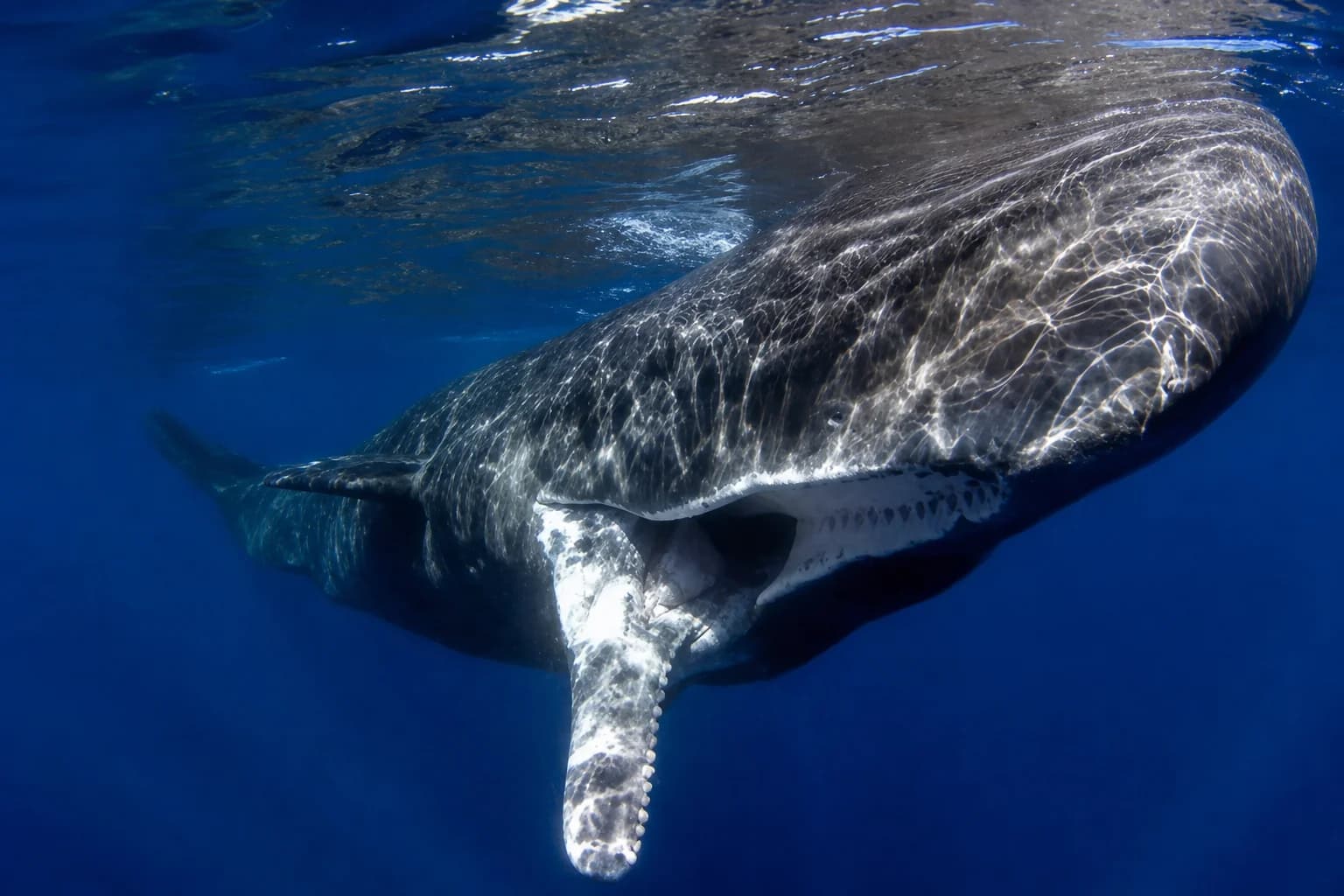
Sperm whales, those impressive mammals of the deep, are at the heart of an innovative study led by scientists at the University of Toulon. Under the guidance of Pascale Giraudet, a bioacoustics expert, the Computer Science and Systems Laboratory (LIS) is working to decode the messages these animals produce. In partnership with the ocean conservation association Longitude 181, the team has made significant progress in identifying sound sequences specific to each sperm whale.
A study based on click analysis
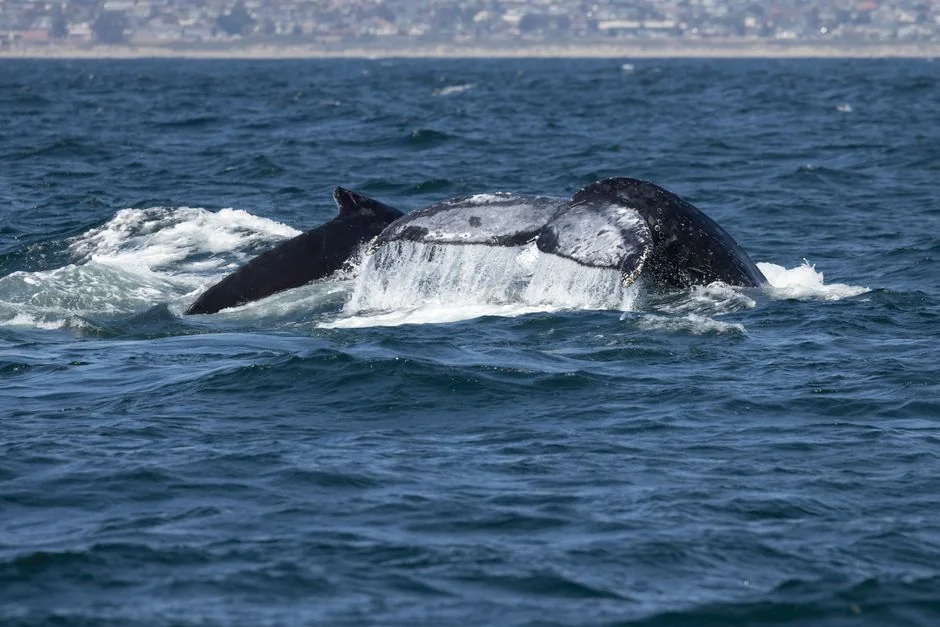
Unlike whales, which sing, or dolphins, which whistle, sperm whales communicate through clicks. These sounds, known as "codas", have distinct rhythms. By analysing the intervals between these clicks, researchers can distinguish between different forms of communication within groups of sperm whales. This approach offers valuable insight into how these creatures interact with one another.
Spotlight on Vanessa and Delphine
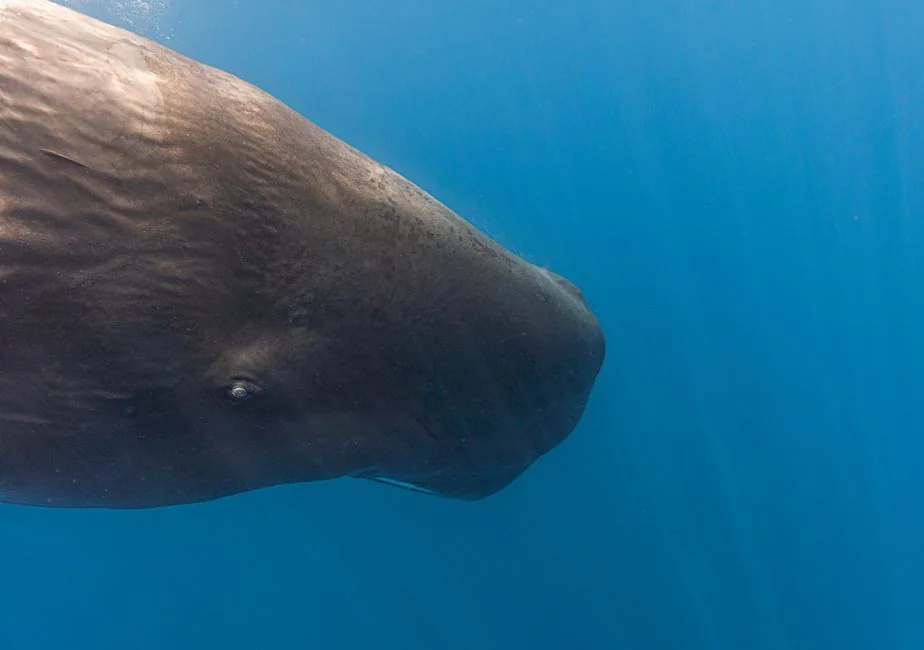
Among the most striking findings of this research is the observation of two female sperm whales, Vanessa and Delphine. These animals, tracked for more than ten years by Longitude 181 off the coast of Mauritius, have helped illustrate the social dynamics within their clan. The exchanges between the two have been studied in minute detail, offering fresh insight into the social behaviour of sperm whales.
This research is not merely academic; it has direct implications for sperm whale conservation. By gaining a better understanding of their communication, it becomes possible to better protect these threatened species and support their wellbeing in their natural habitat.