No, it's not necessarily too late. After an exceptionally dry autumn 2026, mushrooms are taking their time, but proper rainfall can kick-start growth again within one to two weeks. October and November are still worth trying, as long as frosts don't set in too early in your local forests.
One of the driest autumns on record in 2026
The conditions haven't helped. France has just come through its driest summer since 1959, according to Météo-France, followed by a very dry September. The upshot is that the mushroom season has fallen behind almost everywhere. In the east, France Bleu reported in early October that drought was still holding back growth in Meurthe-et-Moselle and the Vosges. In the Périgord and in Franche-Comté, the story is the same: no rain, no mushrooms.
Why rain doesn't make mushrooms sprout straight away
The mushroom you pick is only the visible part, the fruiting body of a mycelium hidden underground. For it to emerge, it needs water and mild temperatures, but not just any way round. A shower on parched ground only dampens the top few centimetres and evaporates quickly. What matters is sustained rain that soaks deep into the soil, followed by a few milder days. Hence the usual one- to two-week lag between rainfall and the first ceps.
Not necessarily too late: hope for a delayed season
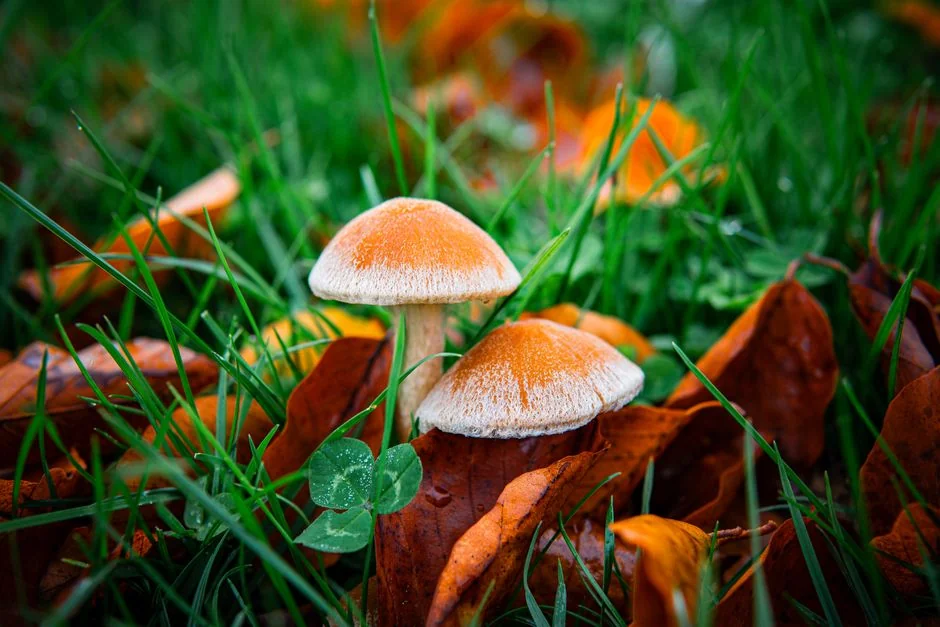
What if the worst hasn't actually happened? Several mycologists are hopeful of a season that's simply delayed, or even a generous one. Stressed by the summer drought, the mycelium may feel an even stronger urge to reproduce, explains mycologist Aurélie Sanchez. In a dry year, October and November can therefore make up for a poor start. The outcome hinges on a single factor: whether the rain genuinely arrives, and keeps going.
Frost: the real deadline
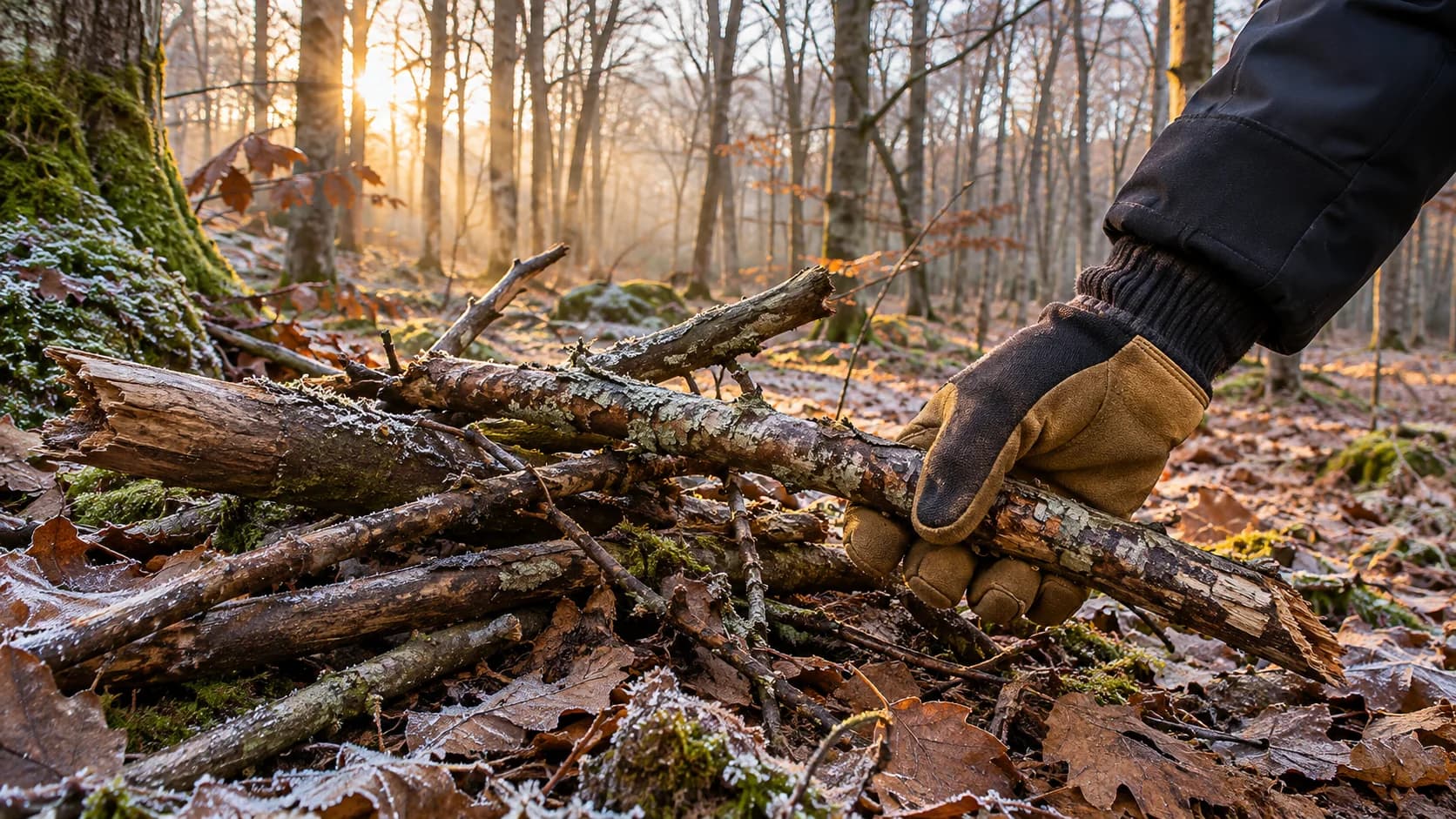
There's still a countdown no one can do anything about. As soon as night-time frosts set in, often towards the end of November, growth stops dead. A season that starts late therefore becomes a short season, squeezed between rain that's slow to arrive and cold that's on its way. Late species, field blewits and horns of plenty chief among them, offer one last window, but most of the harvest is decided within just a few weeks.
Where to try your luck, and the rule that could save your life
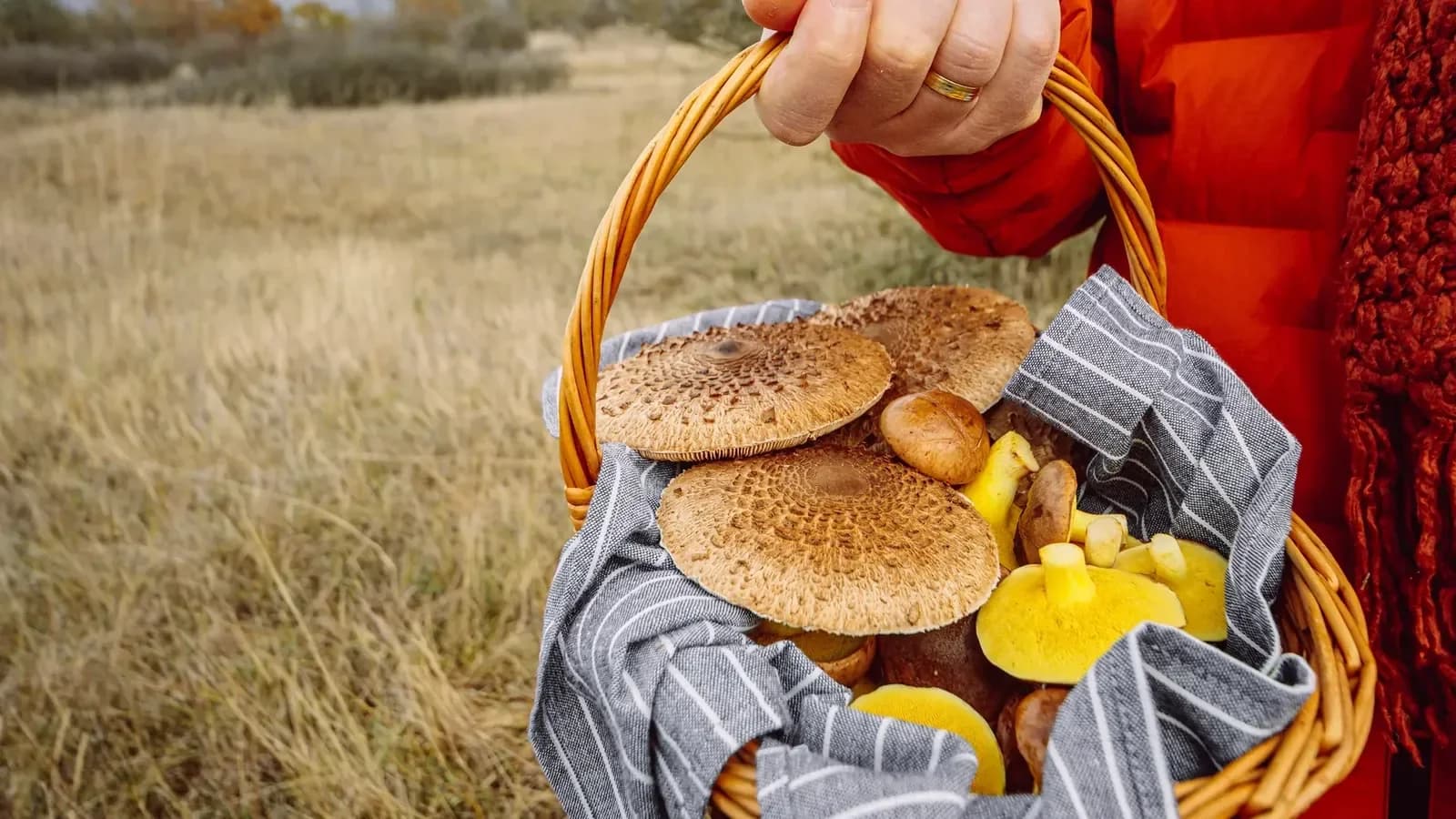
Head for the forests that got rain first, and for broadleaf woodland soil, which holds moisture best, and wait a good week after proper rain rather than rushing out at the first cloud. Above all, the rule never changes, late season or not: never eat a mushroom without having it identified by a pharmacist or mycologist first, as a mistake can be fatal. To track down good spots as the rain comes in, our nature walk ideas and hiking routes are a good place to start, basket in hand.
Too late for the 2026 foraging season? Not yet. But this year, more than ever, the weather is calling the shots.