A species is traditionally defined by the ability of its members to breed with one another and produce fertile offspring. However, to truly grasp the richness of biodiversity, we need to shift our perspective and consider the evolution of species at different scales. Within a single species, individuals can show morphological and genetic variations, often due to geographical distance. Sometimes, distinct species can even interbreed and produce fertile offspring, as is the case with the cross between polar bears and grizzly bears in Canada.
The mechanisms behind the emergence of new species
The concept of a species is, in reality, a convention that helps us describe nature. If we could observe the long term, we would see an unbroken continuity of generations, like foxes giving rise to more foxes. But how does a lineage actually split in two? The emergence of a new species requires reproductive isolation between populations that could previously interbreed.
One of the simplest mechanisms behind this isolation is the creation of a geographical barrier. For example, the appearance of a sea channel can split a population, causing isolation and, as a result, speciation. This phenomenon has been documented in history, such as the separation of chimpanzees and bonobos by the Congo River around 1.7 million years ago.
Genetic drift and the founder effect
The speed at which a new form emerges is often linked to the size of the isolated population. The smaller that population, the faster genetic drift can occur. This phenomenon is known as the founder effect, where a small group of individuals breaks away from its original population to establish a new colony. Isolation can also arise when individuals from the same population develop different behaviours, such as distinct songs in certain bird species. These variations can lead to the creation of hybrids, which in turn breed among themselves.
Hybrids: between failure and success
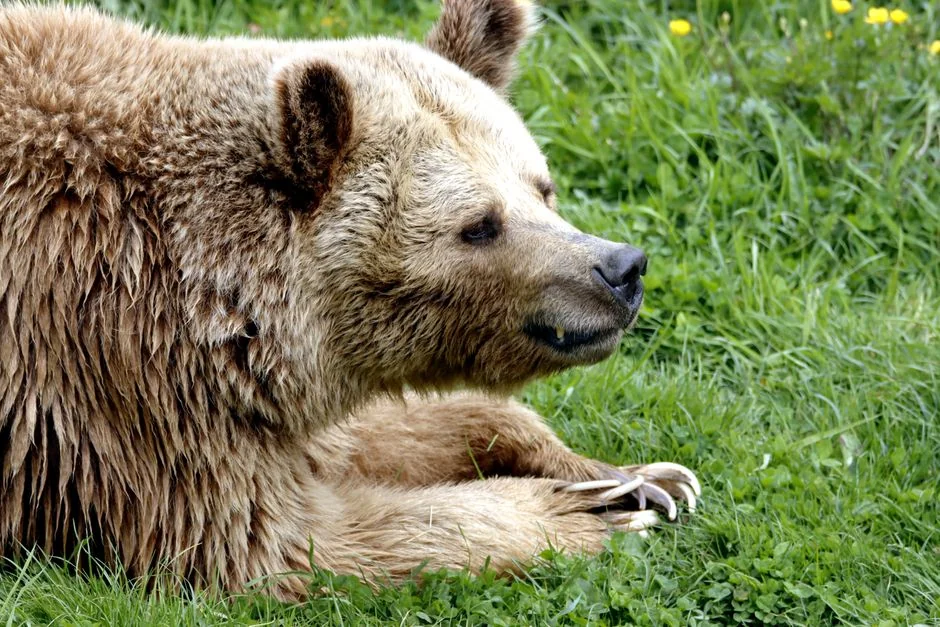
When hybridisation occurs between species, the offspring are often sterile, which brings that particular crossbreeding story to an end. In some cases, however, such as with bears, hybrids can give rise to entirely new lineages. A new species therefore emerges once segments of a population become permanently separated, preventing them from breeding with other segments.
It's worth noting that the process of forming a new species takes time, generally between 10,000 and 100,000 years, although this timeframe can be shorter for species with short life cycles. In the plant kingdom, diversity tends to be even more pronounced, particularly through pollination and fertilisation barriers, as well as frequent hybridisation.
In short, while biodiversity is under threat, it's crucial to recognise that the emergence of new species is a slow and complex process. Environmental change and species behaviour both play a decisive role in this dynamic. Protecting our ecosystems is therefore essential if nature is to keep evolving.