Digging, raking, weeding, pushing the wheelbarrow: gardening is a genuine moderate-intensity physical activity, on a par with brisk walking. After 50, an hour spent in the vegetable patch works the heart, the muscles and your balance, with no gym and no membership fee.
Gardening means really moving
A garden doesn't just help you relax, it puts you to work. Lifting a bag of compost, turning over a bed, trimming a hedge with your arms raised: every movement engages the legs, back, arms and lungs. France's Haute Autorité de Santé classes gardening among moderate-intensity activities, in the same bracket as brisk walking. A session in the vegetable patch therefore ticks off part of the 150 minutes of weekly activity the WHO recommends for adults.
As much energy as a brisk walk
Scientists measure effort in METs, a multiple of resting energy expenditure. General gardening sits at around 3 to 5 METs, and digging or turning the soil climbs to about 3.6 METs according to a study of older adults. In practice, an hour of vigorous hoeing burns as much energy as a brisk walk, roughly 200 to 300 calories depending on your weight. Your heart rate rises and your body warms up, even though it doesn't feel like a workout.
After 50, what your body gains from it
Past the age of 50, this regular effort counts double. A large American study of more than 140,000 older adults linked gardening to better cardiovascular health and lower mortality. Digging, raking and carrying also help maintain grip strength and joint flexibility.
Your mood benefits too. A 2017 meta-analysis linked gardening to lower anxiety and fewer depressive symptoms. Gardening outdoors in spring and summer helps the skin produce vitamin D, good for bone health, while weight-bearing movements work the skeleton. In autumn, tidying up flower beds keeps up the rhythm, though you should stay alert to an Asian hornet nest in the garden.
Gardening without hurting your back or knees
Real caution lies in your technique. Before you start, warm up for a few minutes, as recommended in the MSA's prevention guidelines. To lift a pot or any load, bend your knees and keep your back straight, without twisting your torso.
Use a knee pad or cushion when working on the ground, alternate tasks, and allow yourself proper breaks. If pain sets in or keeps coming back, a doctor or physiotherapist is the right person to see.
Enjoyment is what keeps you going
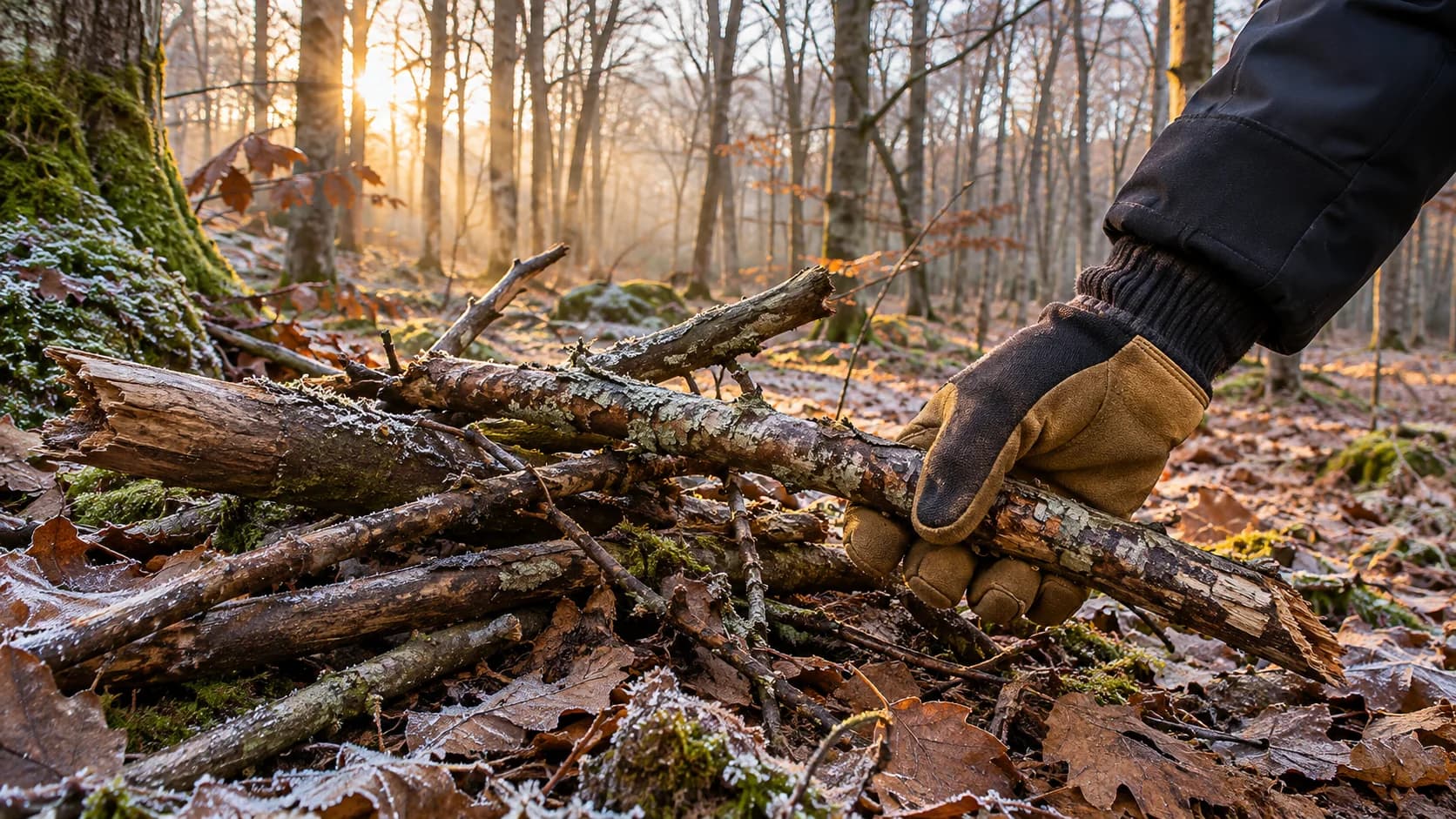
No statistic will get you digging on a Sunday in November. Enjoyment will. Watching your seedlings come up, picking your own tomatoes, breathing in the morning air: these small rewards turn effort into habit, season after season. For a change of scenery, carry the momentum into a day out in the great outdoors, among nature or a forest walk to gather fallen wood.
Your questions, our answers
Does gardening really count as physical activity after 50?
Yes. France's Haute Autorité de Santé classes gardening among moderate-intensity activities, in the same bracket as brisk walking. Digging, raking, weeding or pushing a wheelbarrow work the heart, legs and back. A regular session contributes to the 150 minutes of moderate activity the WHO recommends for adults each week. It's not a substitute for all exercise, but a valuable foundation, especially if you're easing back into movement.
How many calories do you burn gardening?
It depends on the task and your weight. At around 4 METs, four times resting energy expenditure, an hour of vigorous hoeing or digging burns roughly 200 to 300 calories for someone weighing 60 to 70 kilos. Movements that work both the upper and lower body, such as digging, burn the most. Pruning while seated or watering uses less energy. The important thing is to keep moving regularly, at your own pace.
How can you garden without hurting your back?
Start with a short warm-up, as recommended in the MSA's prevention guidelines. To lift a load, bend your knees and keep your back straight, without twisting your torso. Use a knee pad or cushion when working on the ground, and raise your beds if you can, to avoid bending over. Alternate tasks, take breaks, and see a doctor or physiotherapist if pain sets in.