Halloween descends from Samhain, the great festival of the Celts of Ireland, Scotland and the Isle of Man, which celebrated the end of the harvest. Christianised over the centuries around All Saints' Day on 1 November, then reinvented in the United States, it only returned to France in the 1990s.
Samhain, the Celtic festival behind the night of 31 October
It all begins with the Celts. Samhain, whose name means "end of summer", marked the turning point into the dark season: harvests gathered in, livestock sheltered, winter at the door. On that night, the boundary between the world of the living and the world of the dead was believed to grow thinner than usual.
To fool any passing spirits, the Celts blackened their faces with ash and lit great bonfires, the distant ancestors of today's costumes. The blaze on the Hill of Tlachtga, in Ireland, was lit around 31 October nearly two thousand years ago.
When the Church created All Saints' Day and "All Hallows' Eve"
The word "Halloween" itself doesn't come from the Celts but from the Church. Over the course of the Middle Ages, Christianity placed All Saints' Day on 1 November to honour all the saints; Pope Gregory III fixed this date in the 8th century. The evening before became known as "All Hallows' Eve". Shortened, you get "Halloween".
Why historians remain cautious
On one point, experts are divided. Some see in the 1 November All Saints' Day a deliberate attempt to overlay Samhain with a Christian festival; others dispute any direct link and point out that, linguistically, the word "Halloween" has no connection at all to "Samhain". Even the age of the festival varies depending on the source, from two thousand to four thousand years — figures to take with a pinch of salt.
America invents the modern Halloween
The festival as you know it today was born in the United States. Driven out by the Great Potato Famine between 1845 and 1849, hundreds of thousands of Irish immigrants arrived carrying their autumn traditions with them.
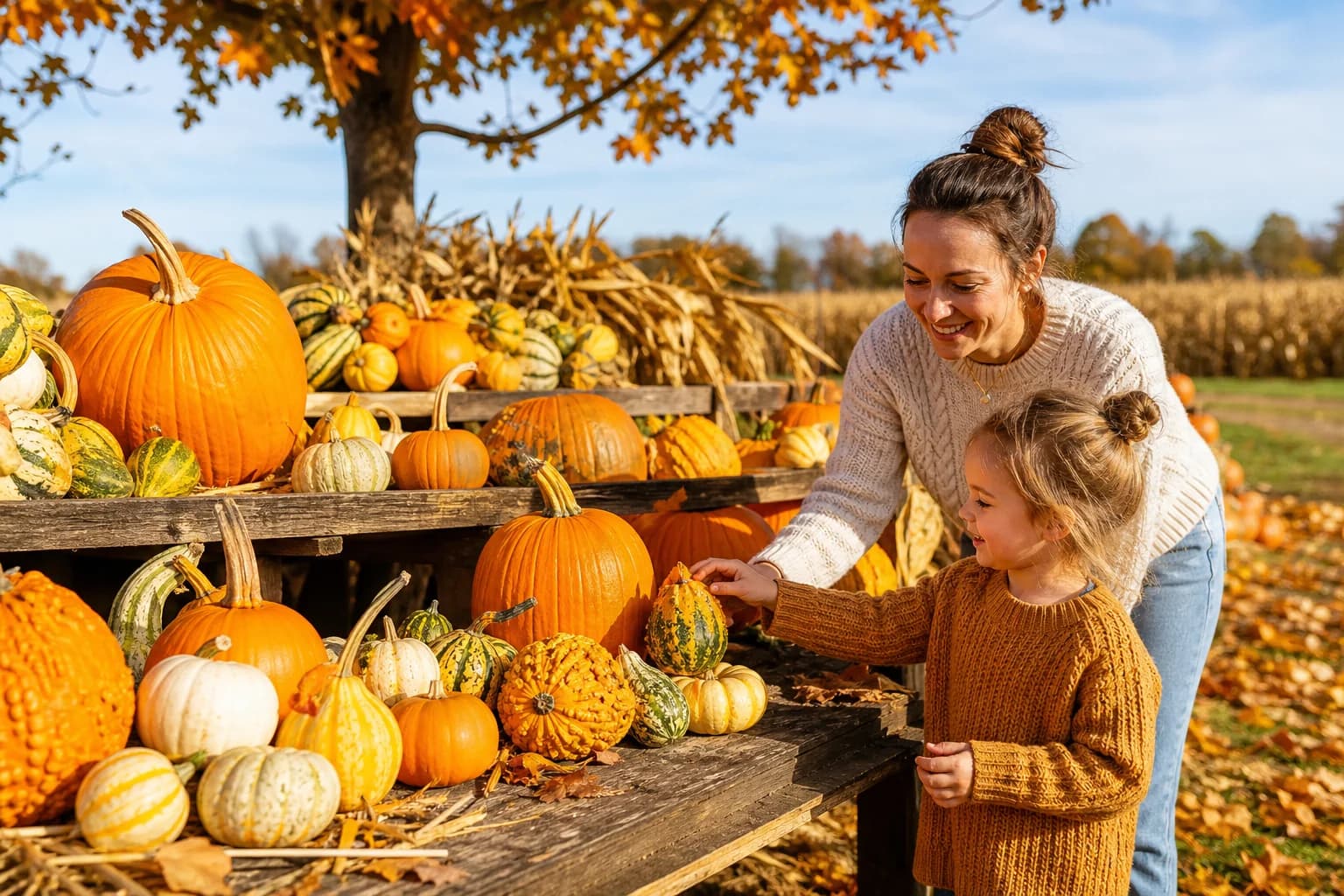
With no turnips to hand, they carved pumpkins instead, finding them easier to hollow out. Door-to-door trick-or-treating by costumed children gradually spread: the phrase "trick or treat" appeared in print as early as 1927 in a Canadian newspaper, before becoming commonplace in the 1950s.
Back in France since the 1990s
In France, Halloween is a fairly recent arrival. The festival took hold in the 1990s, driven by confectioners and retailers who spotted a gap in the calendar between the back-to-school season and Christmas. It reached its peak around the turn of the 2000s. Yet it wasn't entirely new: in Moselle, people had long been hollowing out beetroots to make lanterns, well before supermarket pumpkins came along.
Celebrating Halloween today with the family
Which leaves the best part: celebrating it. Every autumn, French theme parks and animal parks roll out decorations, pumpkin mazes and costumed evenings for young and old alike. To plan your outing, browse our day-out ideas, find a park outing near you, or treat yourself to a stroll out in nature among the autumn leaves. The perfect way to give your children their own memory of Samhain, without them even realising it.