
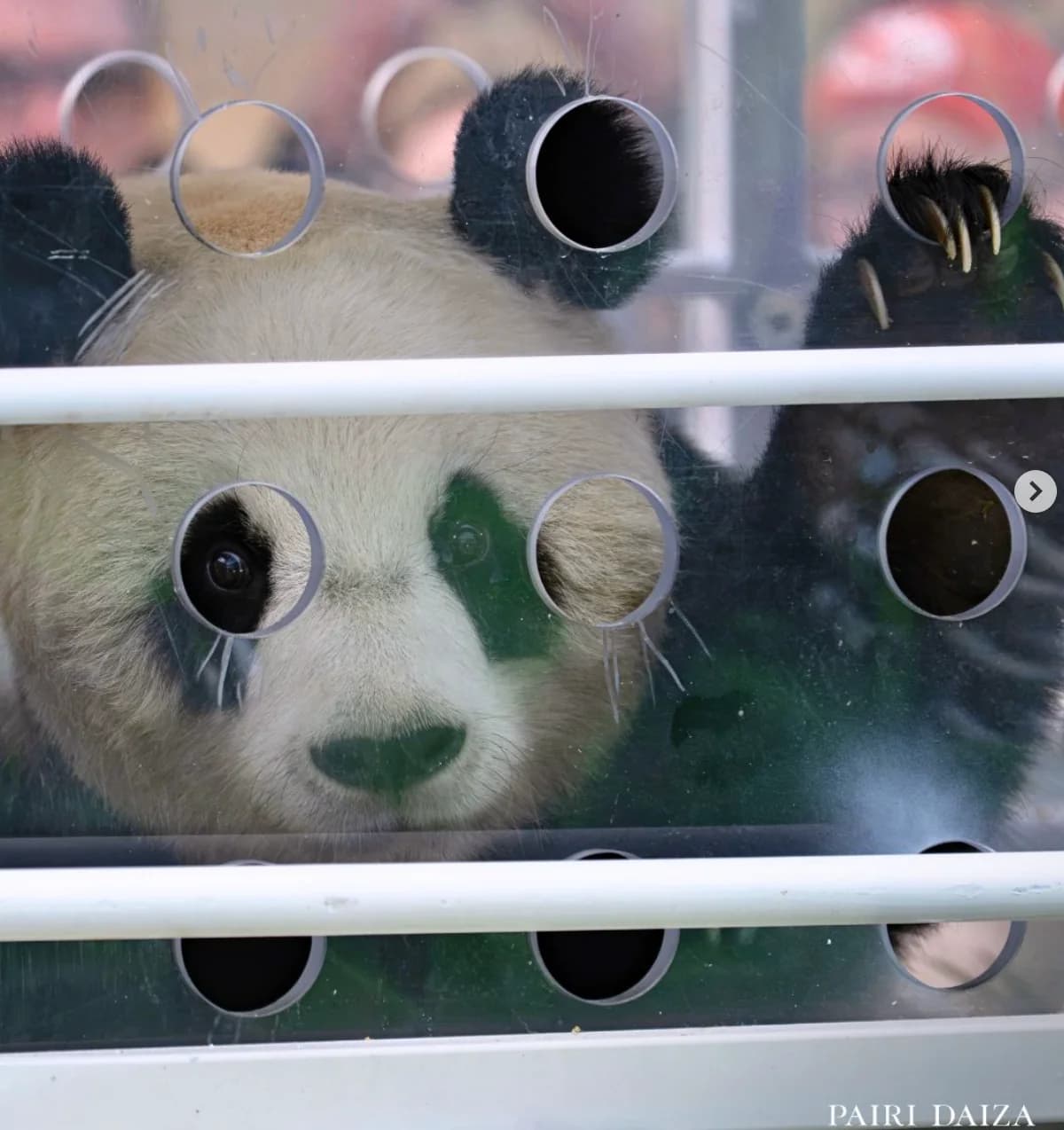
Ran Ran set foot in Belgium on 28 November, shortly after midday, having travelled from the Shenshuping base in Sichuan province. Born on 31 May 2017, this female panda was raised at the China Conservation and Research Centre for the Giant Panda. Her arrival at Pairi Daiza had originally been announced for November 2026, but an agreement signed on 16 September 2026 between the Chinese and Belgian partners made it possible to bring forward this long-awaited moment.
- A promising ski season ahead for Compagnie des Alpes
- This Breton animal park, accused of mistreatment for months, closed on 26 November 2026
- Thanks to Naruto, Parc Spirou Provence enjoys a record season with a 30% rise in visitors
A symbol of Sino-Belgian friendship
Ran Ran's arrival coincides with the 55th anniversary of diplomatic relations between China and Belgium, further strengthening the ties between the two nations. On Pairi Daiza's website, she is described as a female weighing around 110 kilograms, whose name evokes gentleness and growth. Her Chinese keepers describe her as a calm panda who prefers solitude and a peaceful environment. Ran Ran has a particular fondness for young bamboo shoots, an essential part of her diet.
Preparing for her wellbeing
The park's teams worked closely with their Chinese counterparts to ensure that Ran Ran's transport and new enclosure were suited to her specific needs. The animal's wellbeing remains a priority throughout this settling-in process. Ran Ran's arrival is part of a cooperation agreement initiated in 2013 between Pairi Daiza and China, aimed at promoting giant panda conservation, scientific research and public awareness. Xing Hui, a male panda who arrived in 2014 and father to three young pandas now returned to China, will be delighted to have a companion again.
The giant panda population has grown significantly, rising from around 1,100 individuals in the 1980s to nearly 1,900 today, thanks to sustained conservation efforts.