A castle lost beneath the brambles, a few stretches of standing wall, and a young man from the Vendée already picturing a show among the stones. The year is 1977, and nothing hints at what's to come. Half a century later, Puy du Fou brings History to life for 2.8 million visitors a year.
An abandoned castle, rediscovered in 1977
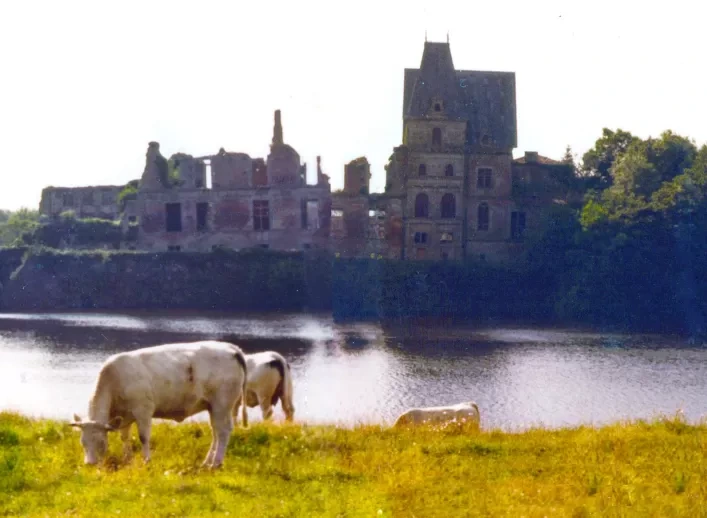
The Puy du Fou estate was nothing but a ruin overrun with nettles when Philippe de Villiers rediscovered it on 13 June 1977, according to the park's official history. The Renaissance castle, burnt down during the Wars of the Vendée, had lain there for nearly two centuries. From that visit came a simple, slightly mad idea: tell the story of the region against this life-size backdrop.
1978: the first Cinéscénie and 600 volunteers
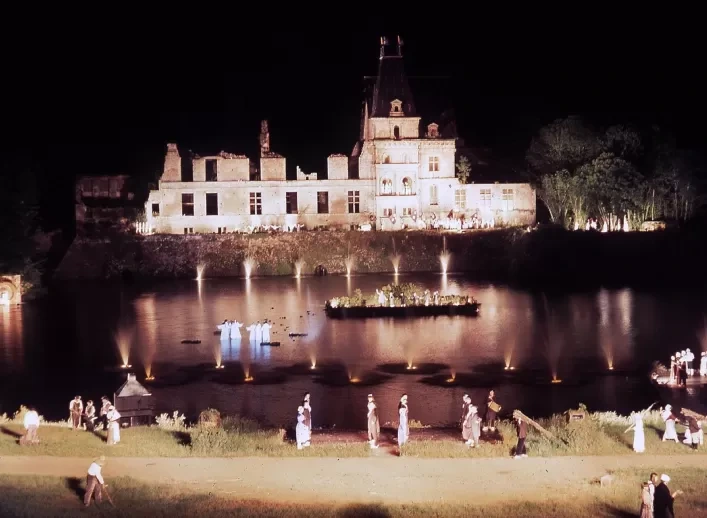
The very first Cinéscénie was performed in front of the ruins on 16 June 1978, carried by more than 600 volunteers from neighbouring villages, known as the Puyfolais. In that first season alone, nearly 80,000 spectators made the trip, notes Wikipedia. This grand night-time spectacle is still performed every summer, with an almost entirely amateur cast: whole families take to the stage, generation after generation.
1989: the park also opens by day
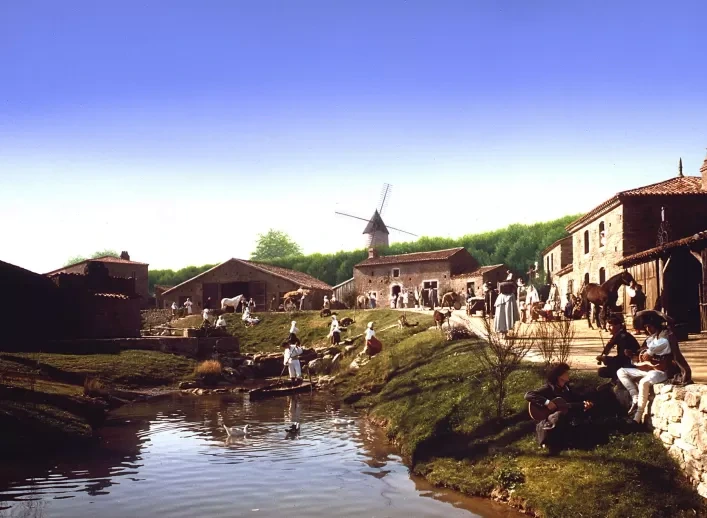
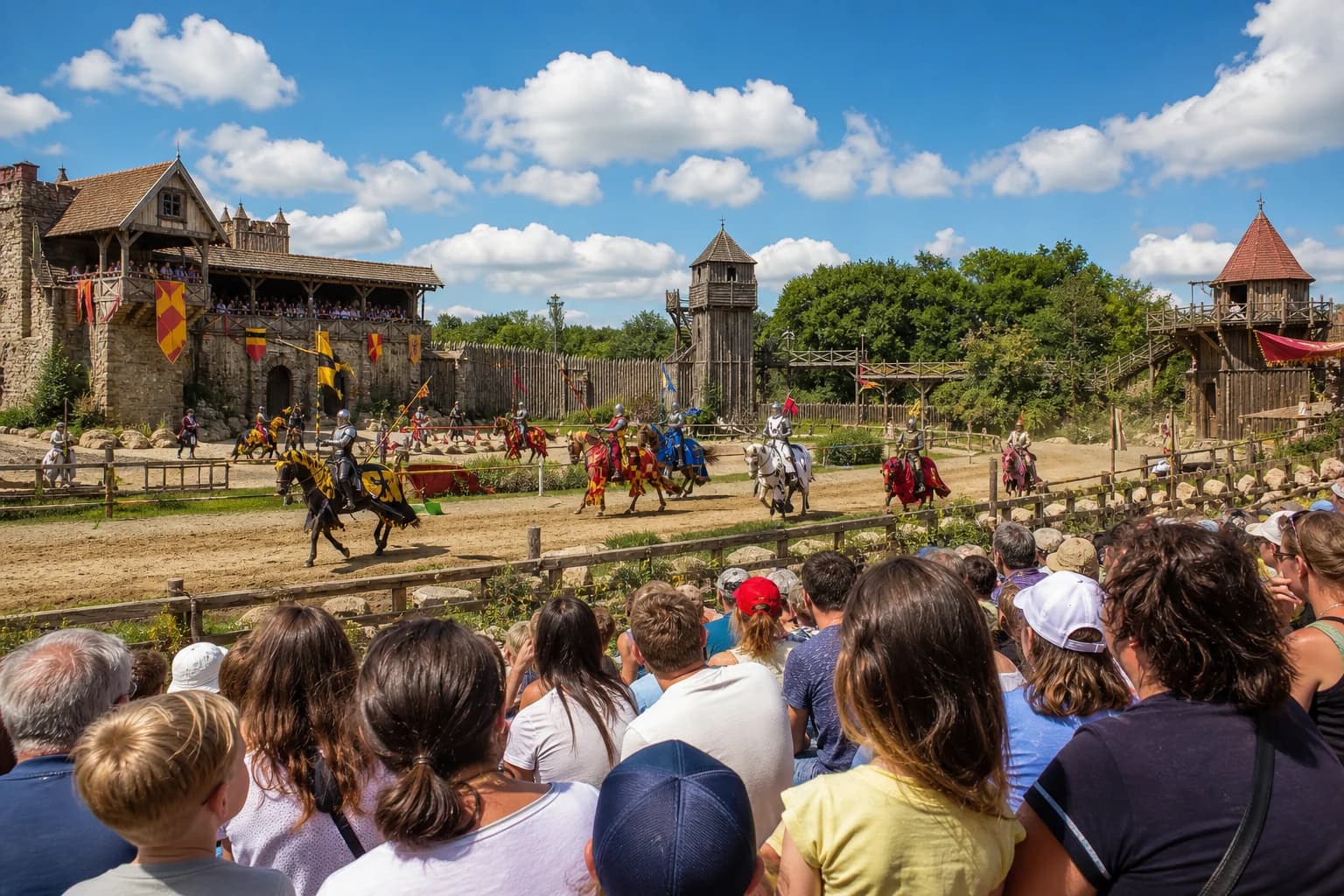
For a long time, Puy du Fou existed only for the length of an evening. Everything changed in 1989, with the creation of the Grand Parc and its first daytime shows. Period villages, giant stages and grandstands sprang up season after season. A single night of spectacle thus became a trip of several days, with falconry, gladiators and Vikings on the programme.
Twice awarded among the best in the world
Puy du Fou has picked up the sector's most coveted awards. The park received the Thea Classic Award in 2012, then the Applause Award in 2014, which recognises the park judged among the best on the planet for its creativity and management, according to Wikipedia. The curve has kept climbing ever since: in 2025, the site broke its own record with nearly 3 million visitors.
Why visit as a family today
Puy du Fou wins people over because it tells History rather than chasing thrills: no roller coasters, but stunts, animals, fire and full-scale sets. Allow at least two days to see everything without rushing, with the Cinéscénie best booked separately.
To plan your dates and prices, our Puy du Fou guide covers the essentials. And if you're extending your stay in the Pays de la Loire, Terra Botanica in Angers and the Planète Sauvage safari park round out the trip nicely.
From a forgotten heap of stones to one of France's great parks, Puy du Fou owes it all, first and foremost, to a handful of locals who believed in a slightly mad dream. They're still performing, every summer, on the very same ruins.