Aquariums
Maison de l'Oiseau et du Poisson★4.0
23,272 views
2 reviews
38 activities · theme In a park
Aquariums reveal marine and freshwater life without getting wet, from coral reefs to the deep sea. Giant tanks, walk-through tunnels, jellyfish galleries and touch pools delight young and old alike, in a cool setting that's perfect on hot days as well as rainy ones. France has some very large aquariums, including Europe's biggest.
An aquarium tour usually follows a geographical or thematic thread, from the local coast to tropical seas. Sharks, jellyfish, clownfish, turtles and sometimes penguins or otters punctuate the visit. The larger sites also feature underwater tunnels and touch pools where you can gently stroke rays and starfish.
Indoors and air-conditioned, aquariums can be visited all year round, making them the perfect plan when the weather turns or the city heat becomes unbearable. Allow around two hours for a visit, longer at the bigger sites, where feeding sessions and shows punctuate the tour.
Admission averages between €15 and €25 per adult, with reduced rates for children and family tickets, slightly more at the biggest sites. Booking online avoids the queue at peak times, especially at weekends and during school holidays.
An aquarium presents wildlife in enclosed tanks, with an educational and scientific purpose. A marine park adds shows and pools for animals such as dolphins or sea lions. Both formats raise awareness of the fragility of the oceans, a subject at the heart of their mission.
Aim for opening time or late afternoon to avoid the crowds. Check the feeding times, when the animals are most active, and bring a light jumper: the air conditioning is kept deliberately cool for the wellbeing of the species.
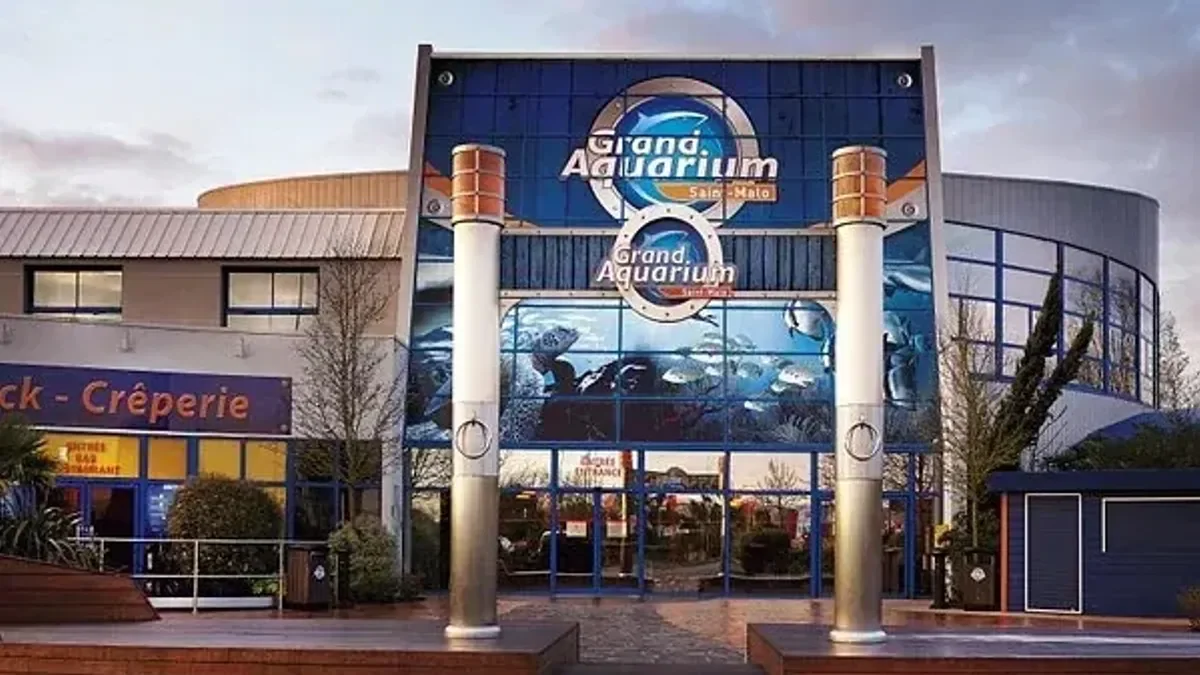
The west coast is home to some giants: Océanopolis in Brest and the Grand Aquarium de Saint-Malo in Brittany, the Aquarium de La Rochelle in Poitou-Charentes and the Aquarium de Biarritz.
Nausicaá, in Boulogne-sur-Mer in Nord-Pas-de-Calais, is the largest aquarium in Europe. The Aquarium de Paris rounds out the offering in Île-de-France.
In the south, the Aquarium de Lyon, Planet Ocean and the Seaquarium du Grau-du-Roi, as well as Marineland in Provence-Alpes-Côte d'Azur, delight families and the curious alike.


Expect to pay on average €15 to €25 per adult, with reduced rates for children and family tickets. The larger sites, such as Nausicaá, are slightly pricier.
Around two hours for a standard aquarium, longer at the bigger sites. Feeding sessions and shows punctuate the tour.
Yes, aquariums are indoors and air-conditioned, open all year round. They're a safe bet on rainy days as well as during hot spells.
Nausicaá, in Boulogne-sur-Mer, is the largest aquarium in Europe, with its huge tanks and walk-through tunnel.
An aquarium presents wildlife in enclosed tanks for educational purposes. A marine park adds shows and pools for animals such as dolphins.
It's advisable at weekends and during school holidays: booking online avoids the queue and guarantees entry at busy times.
Availability and prices are indicative - confirmed at booking time.