From €10
Accrobranche
Le cri de Tarzan★4.0
27,983 views
2 reviews
353 activities · theme In the great outdoors
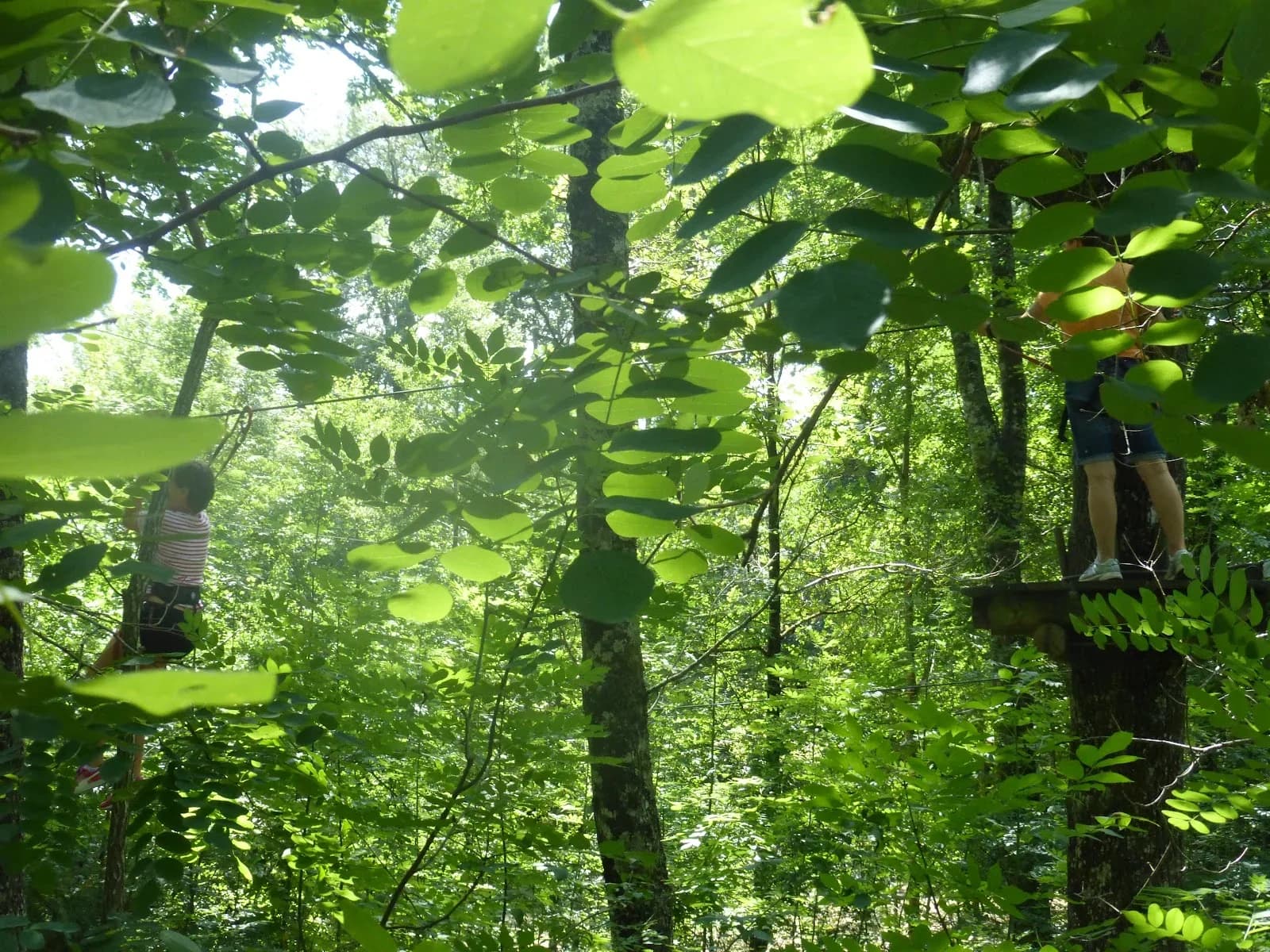
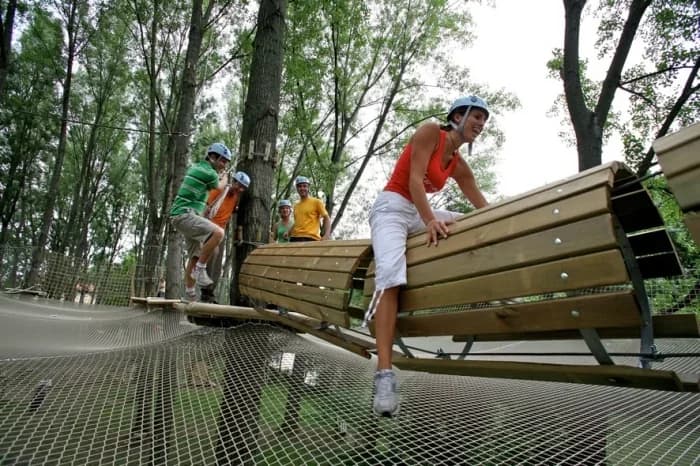
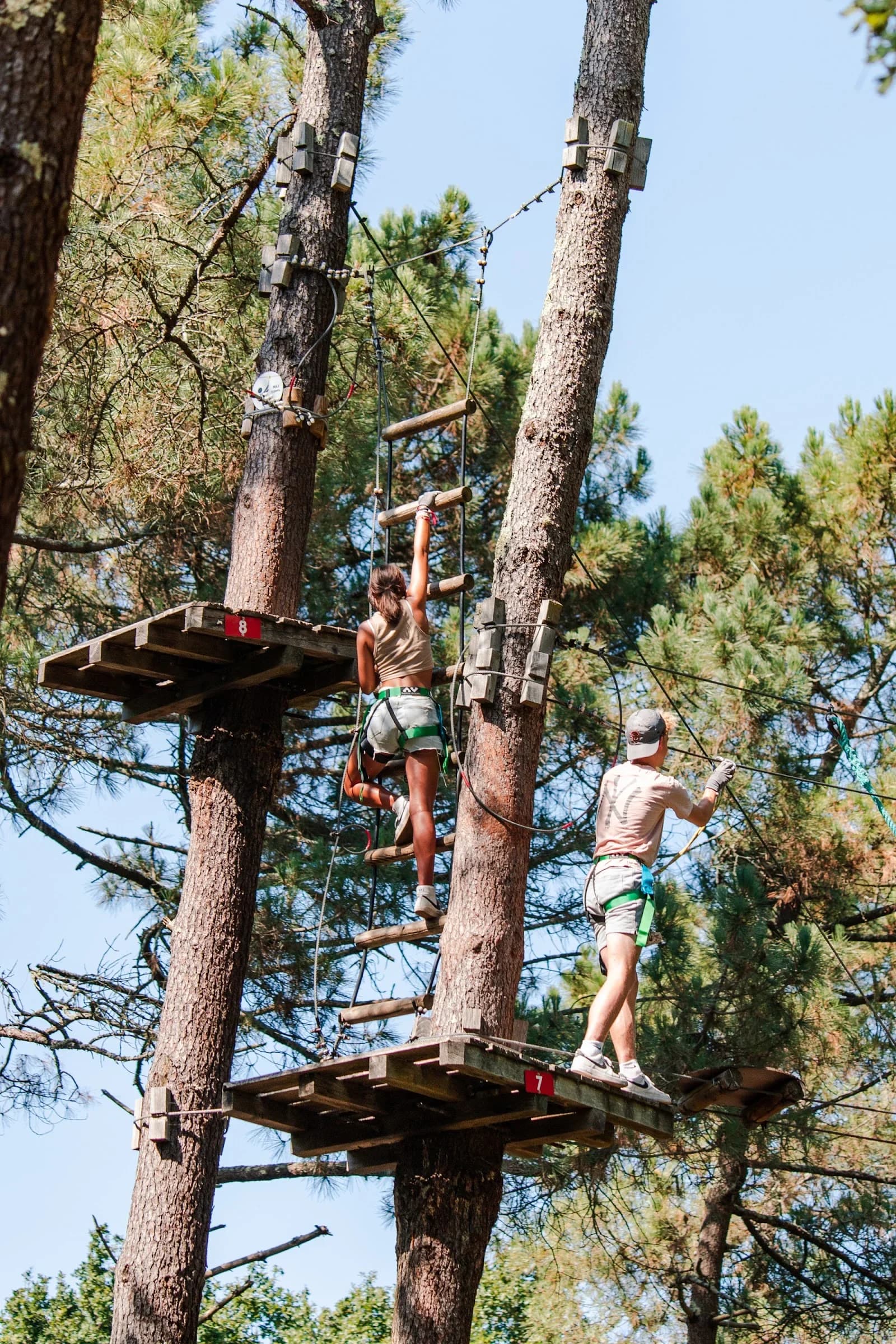
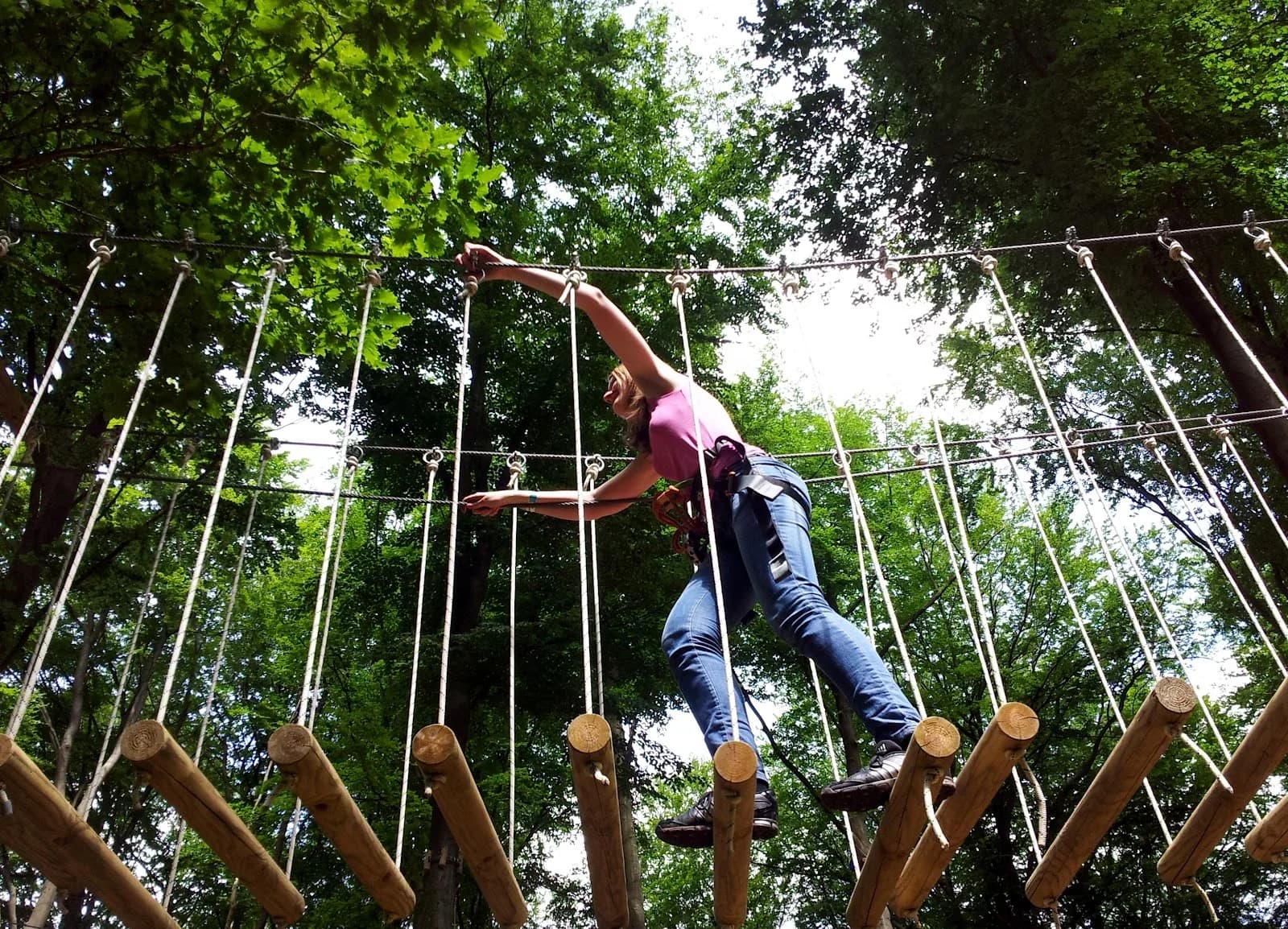
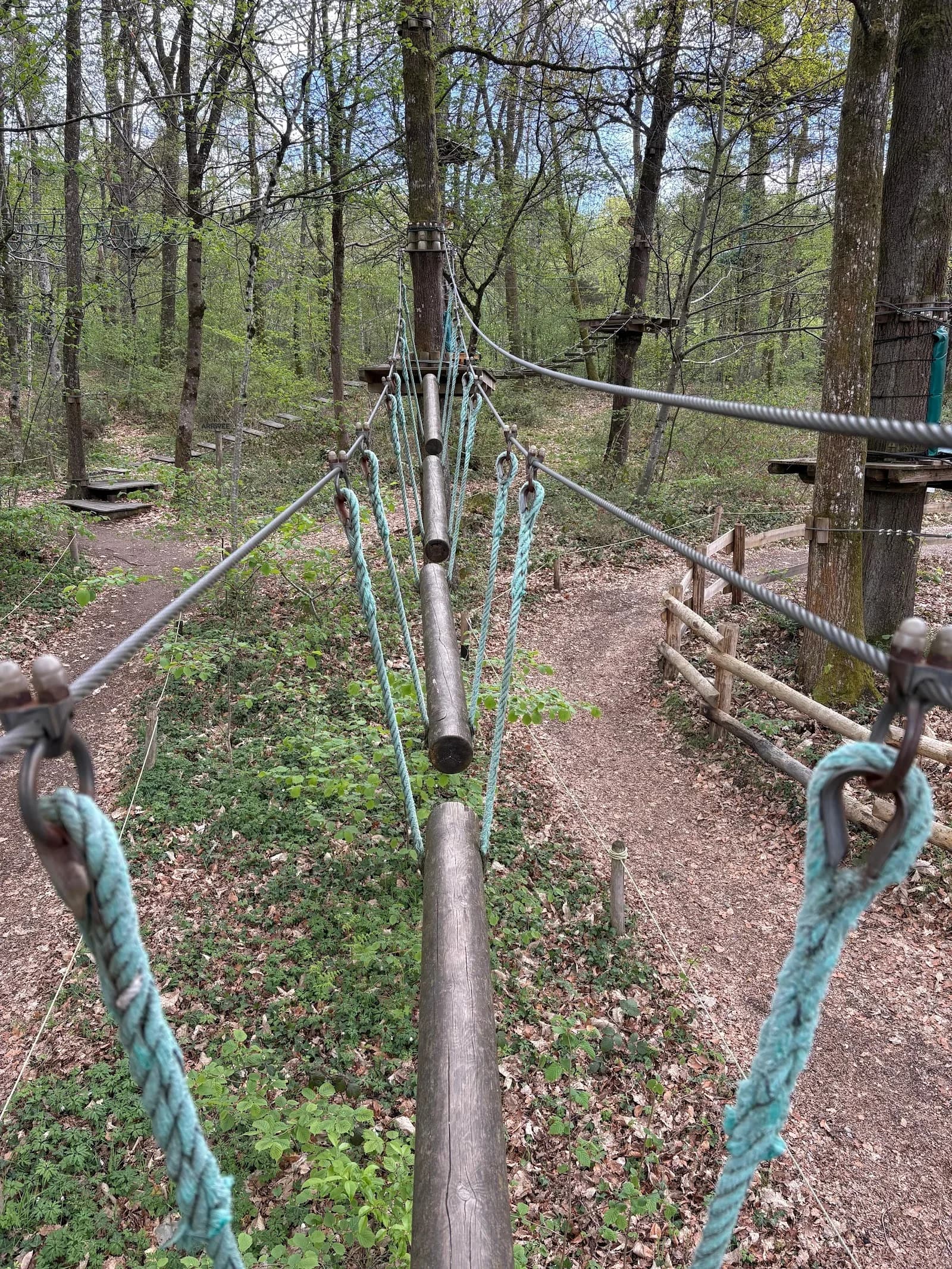
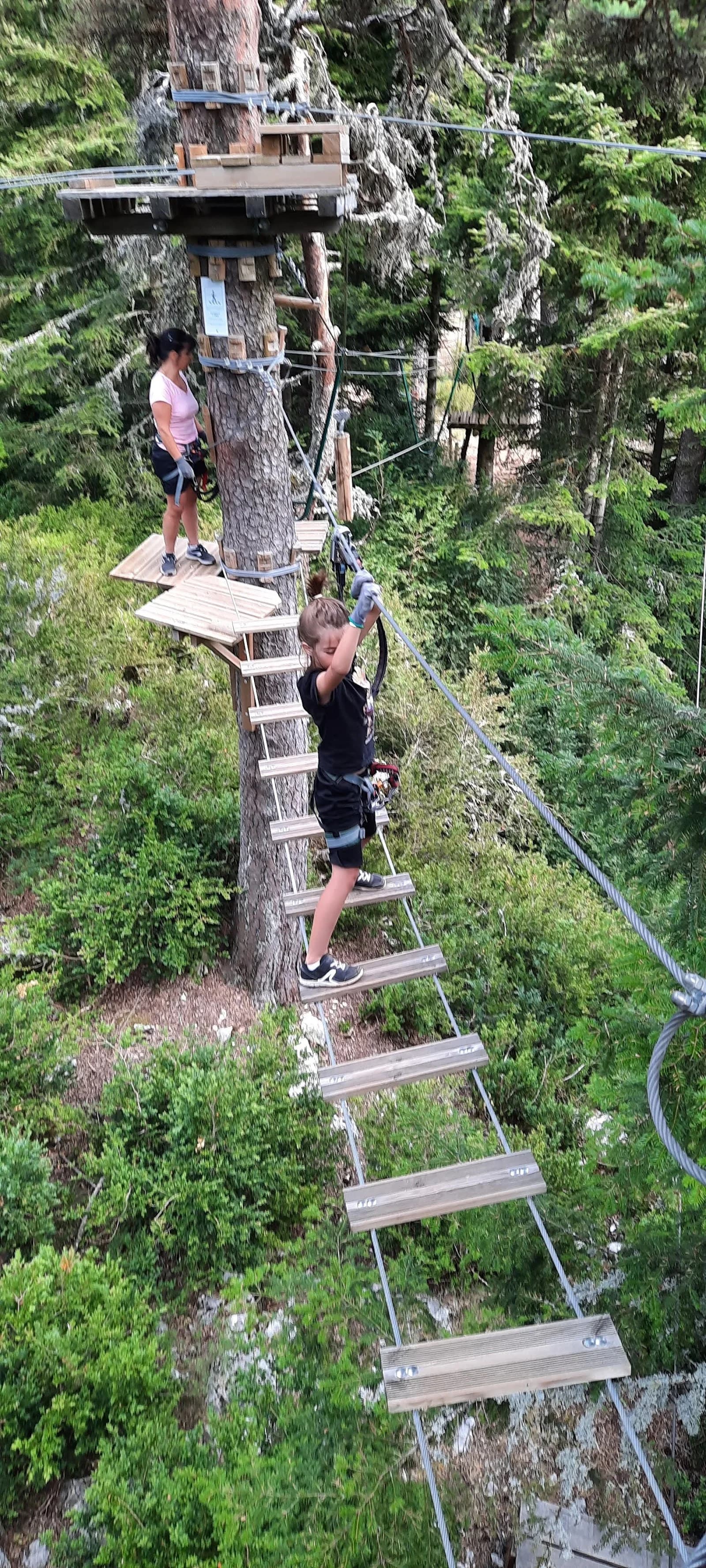
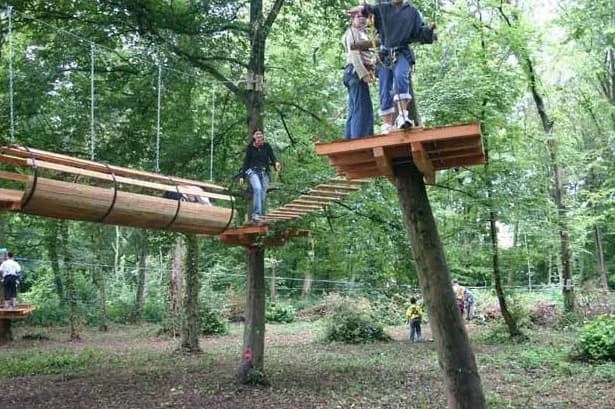
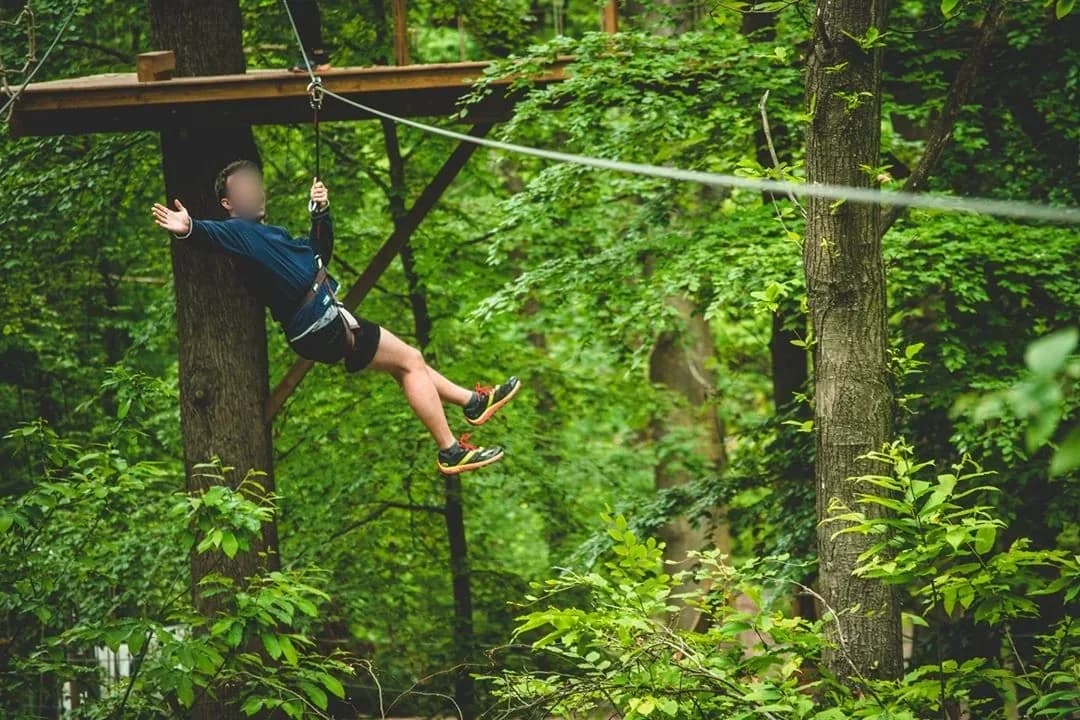
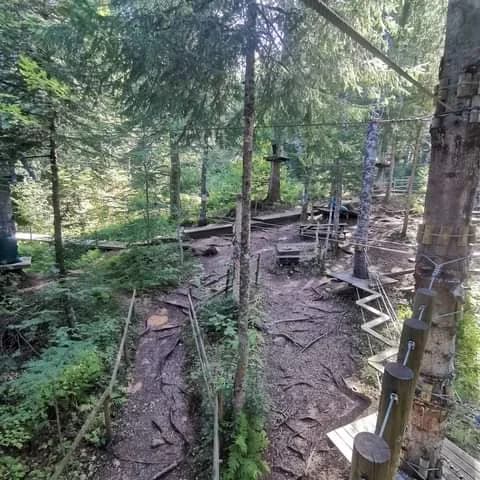
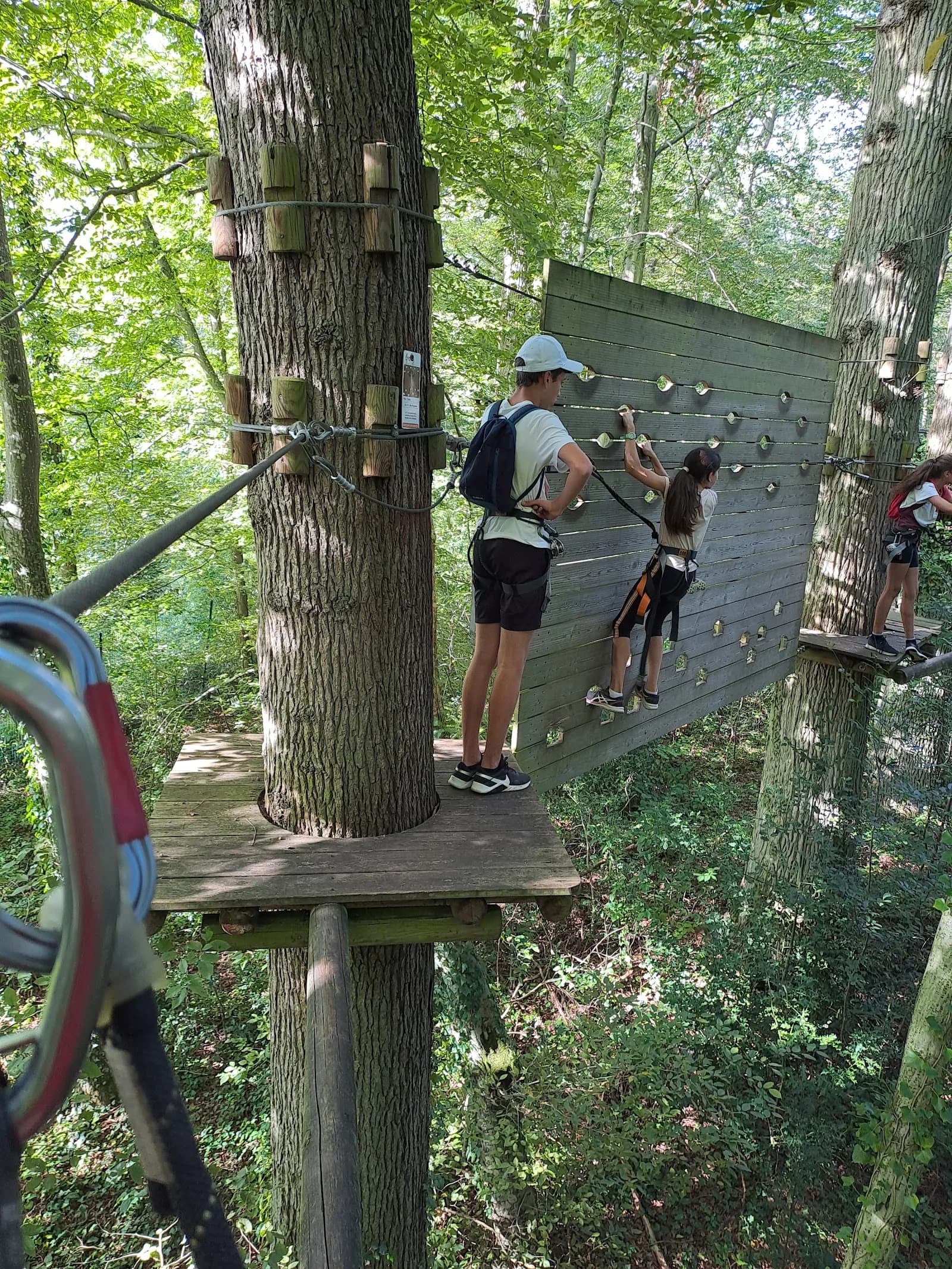
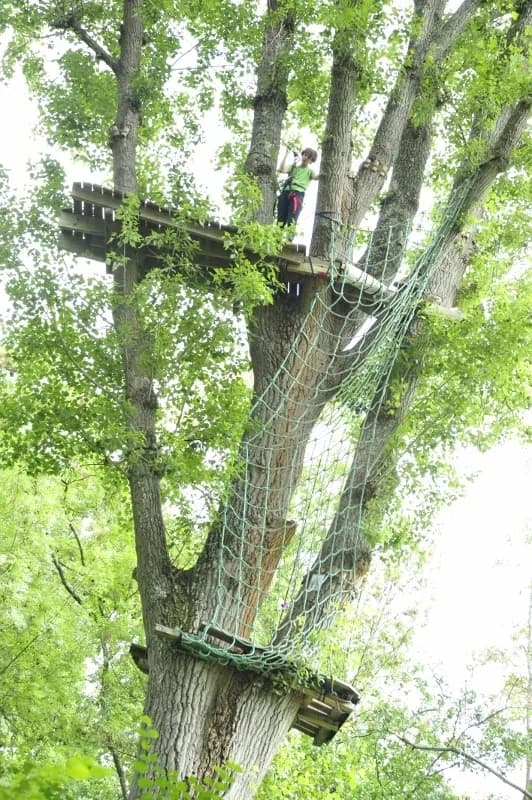
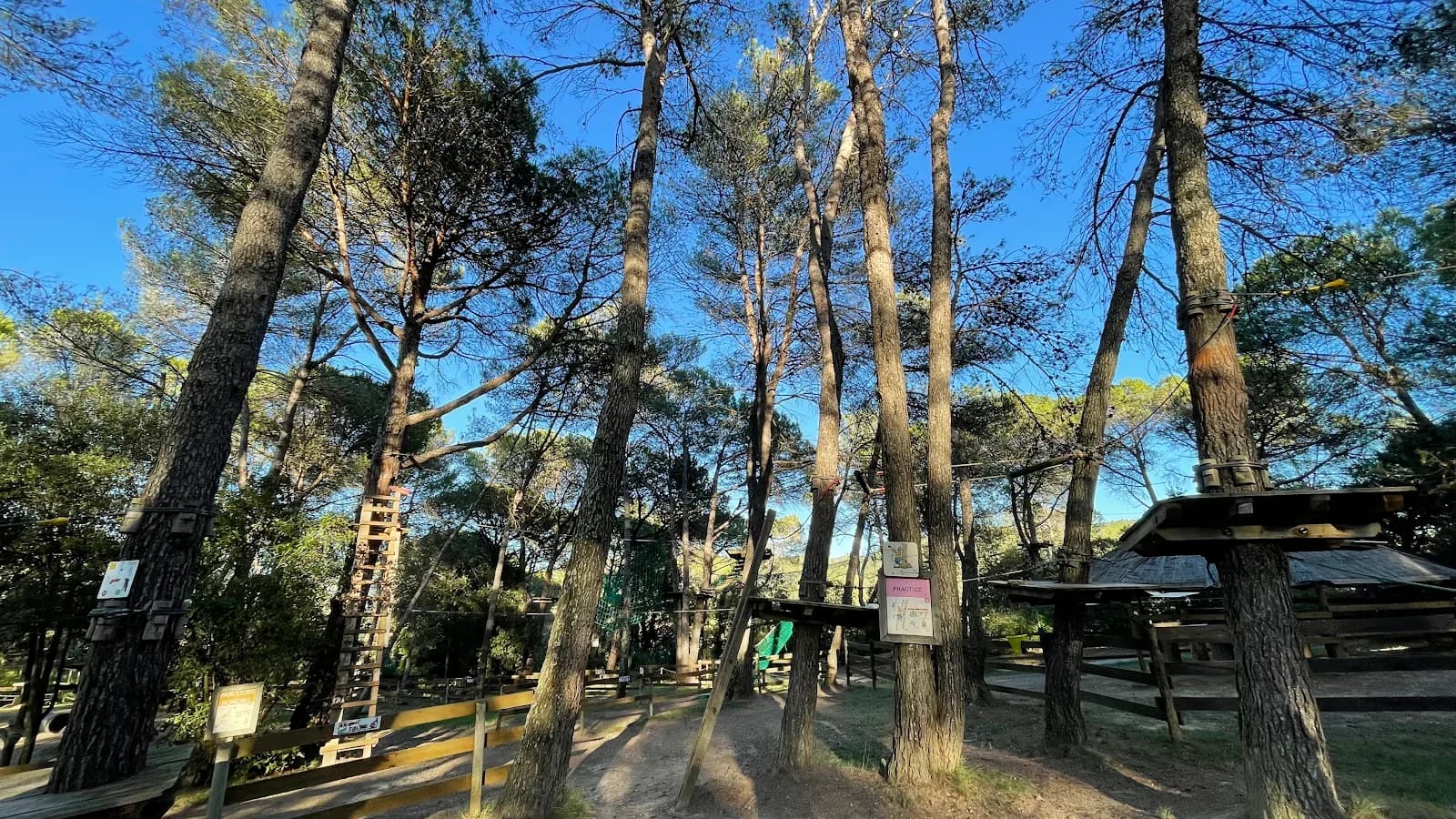
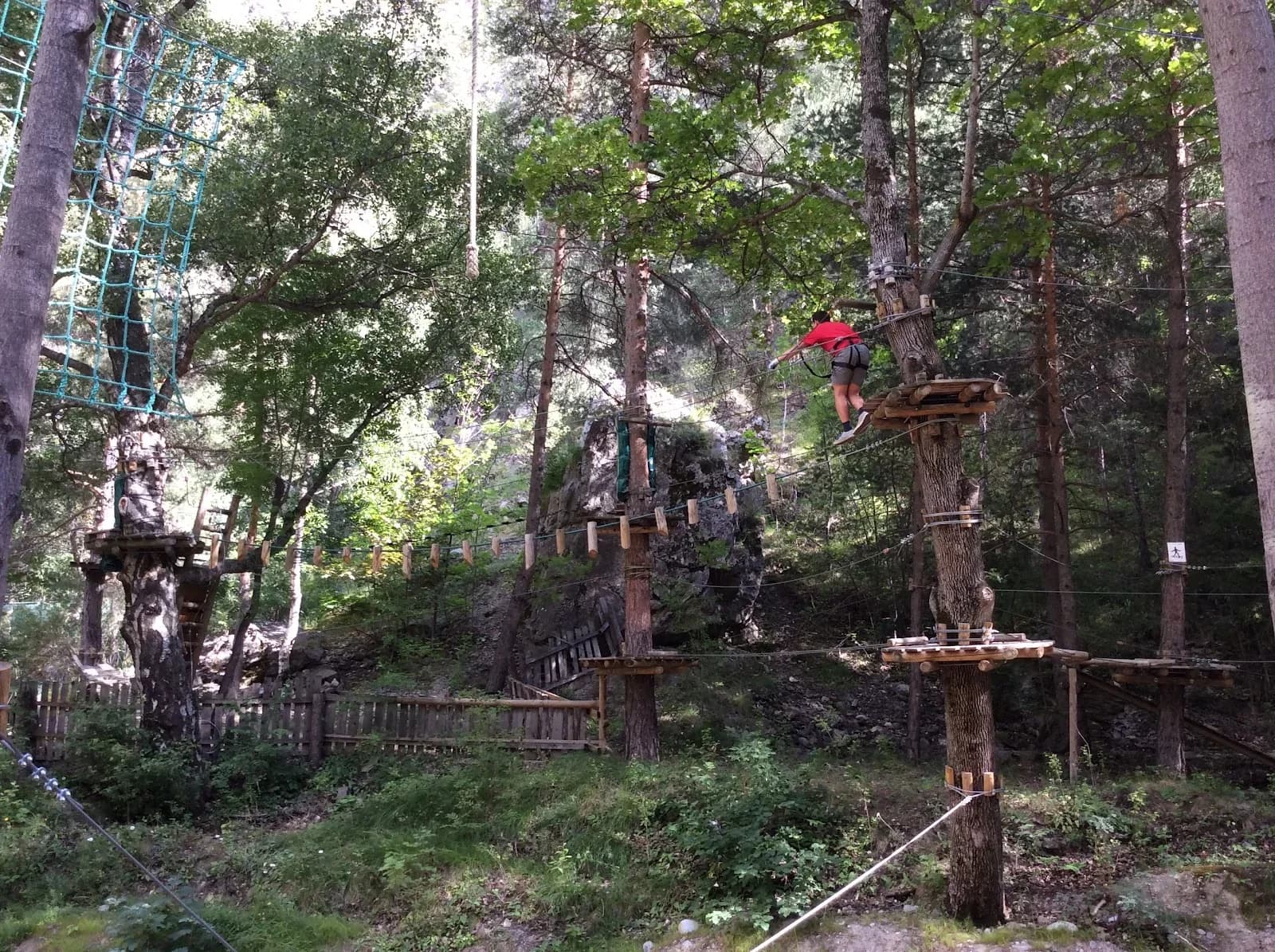
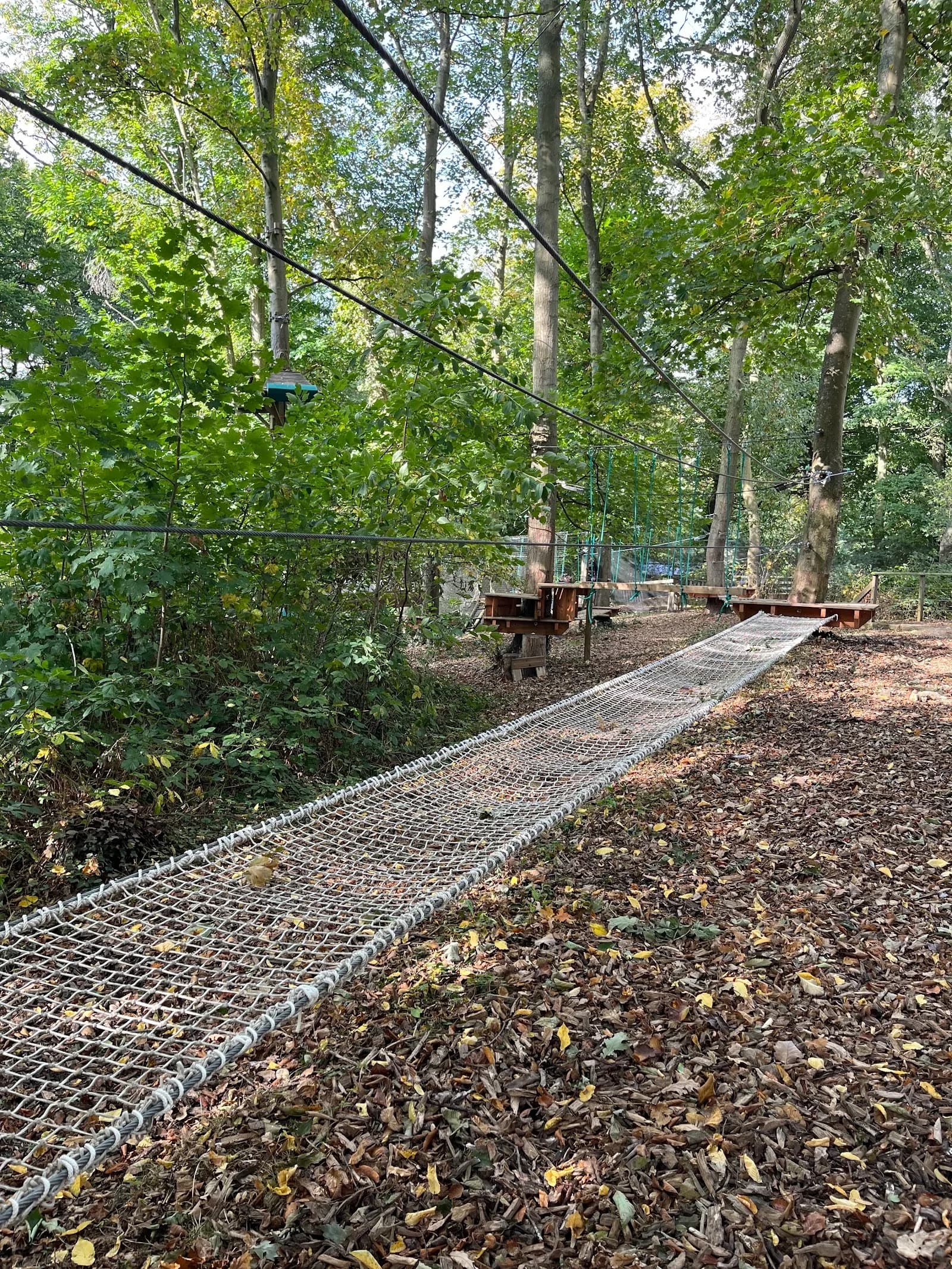
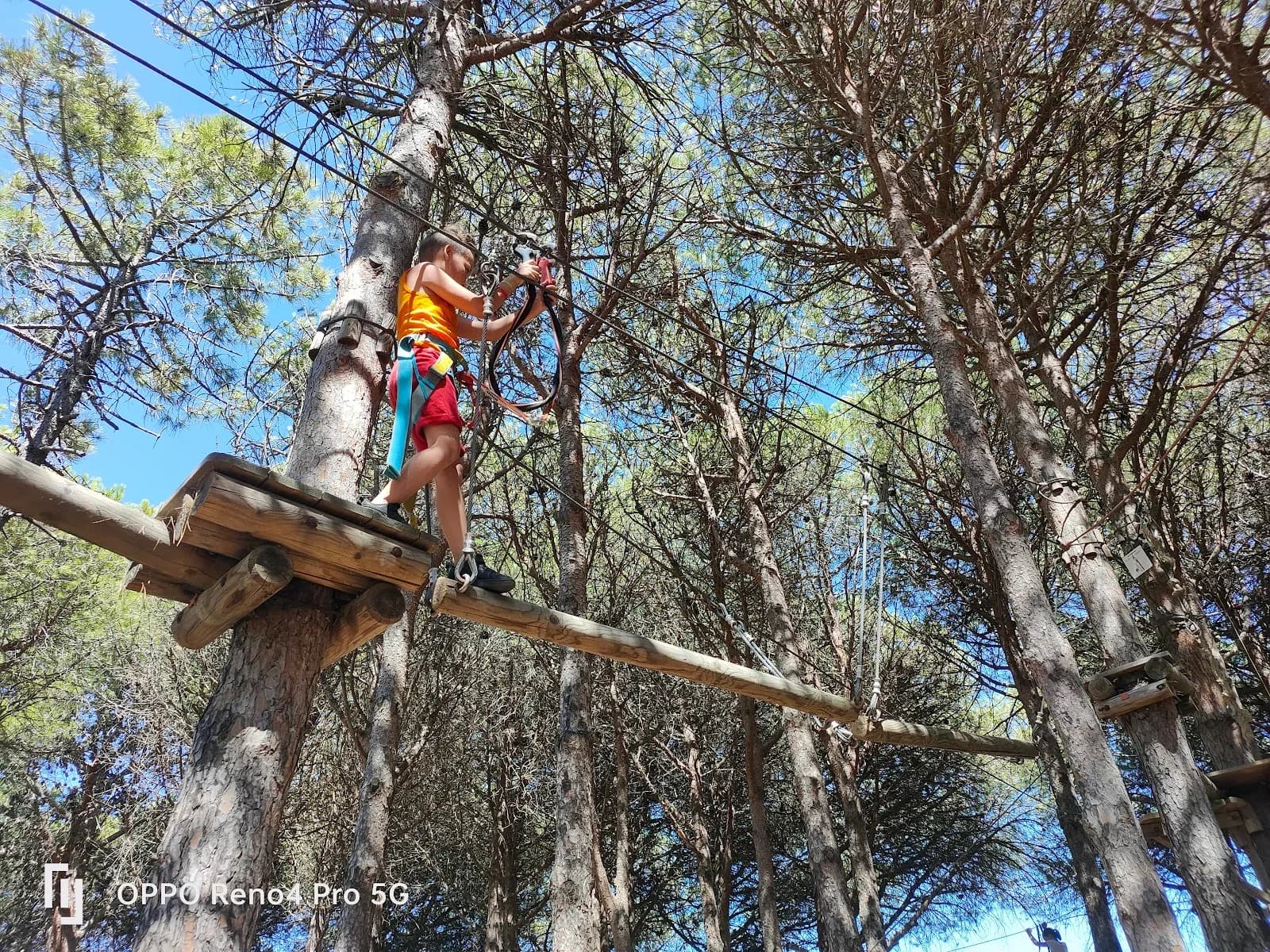
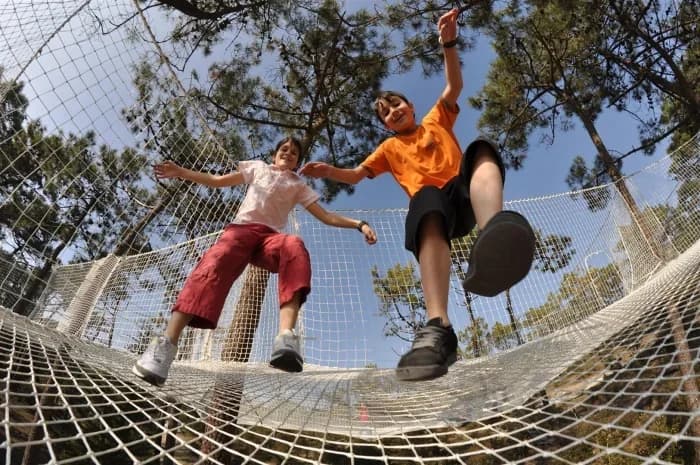
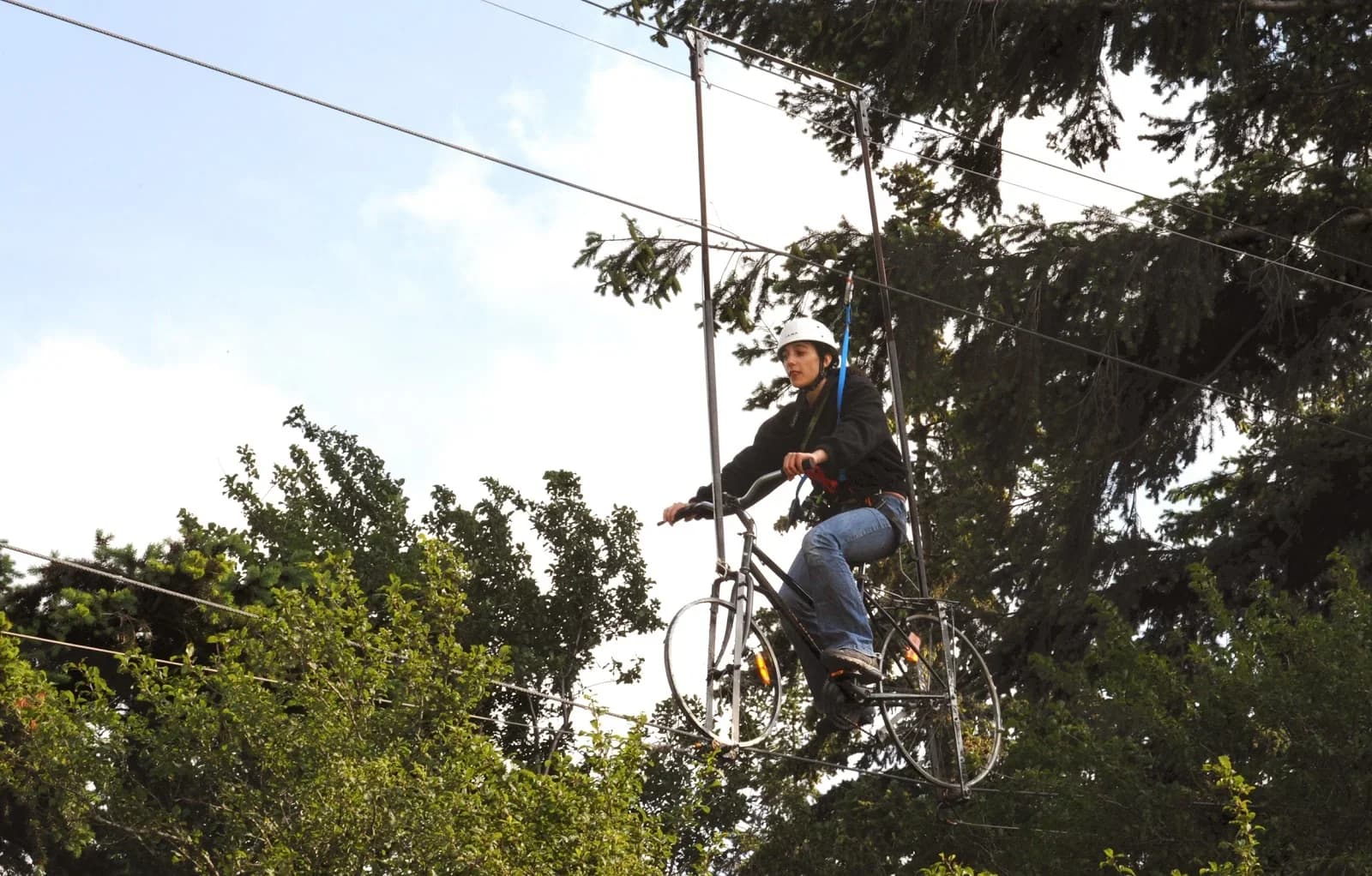
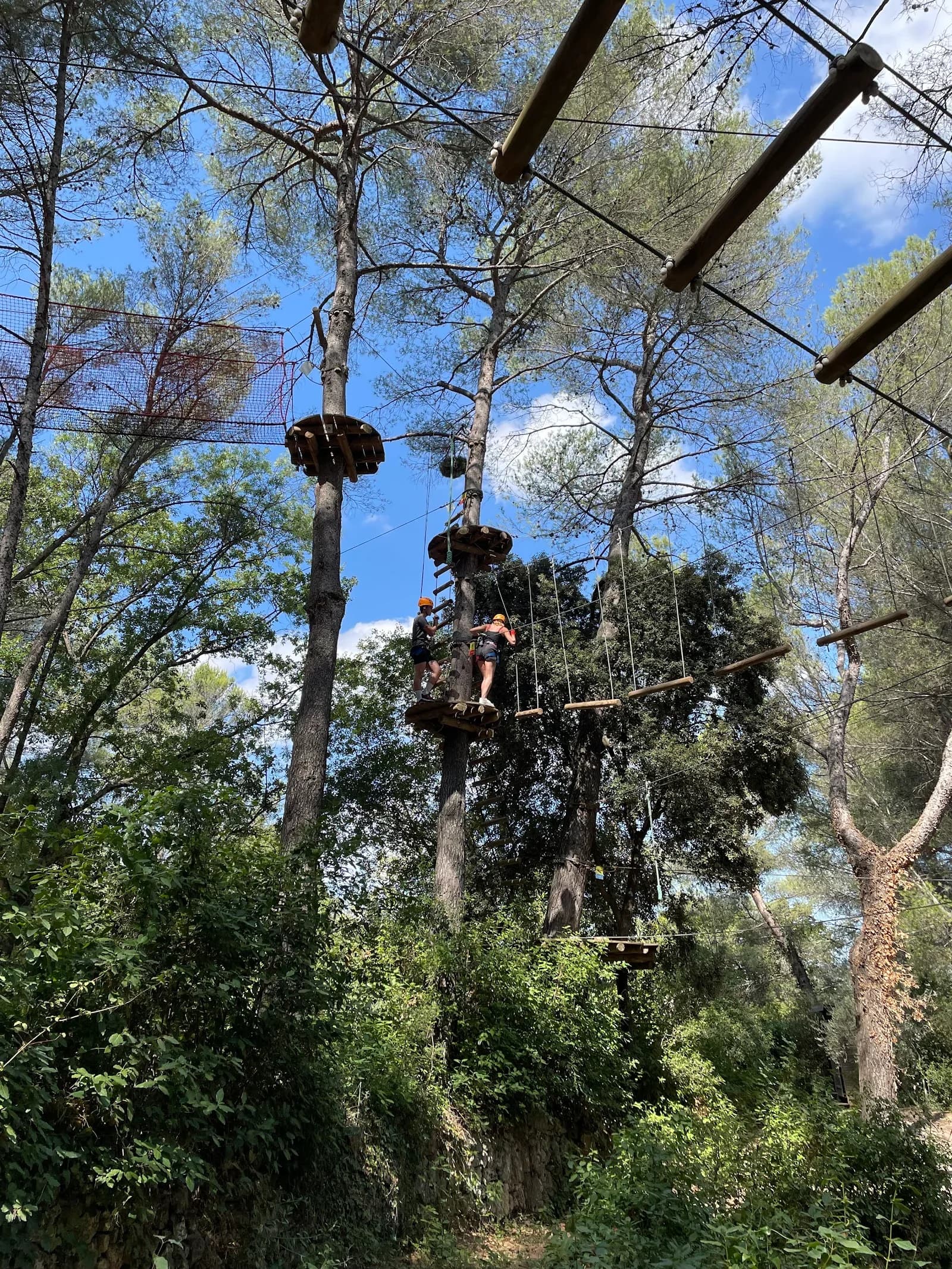
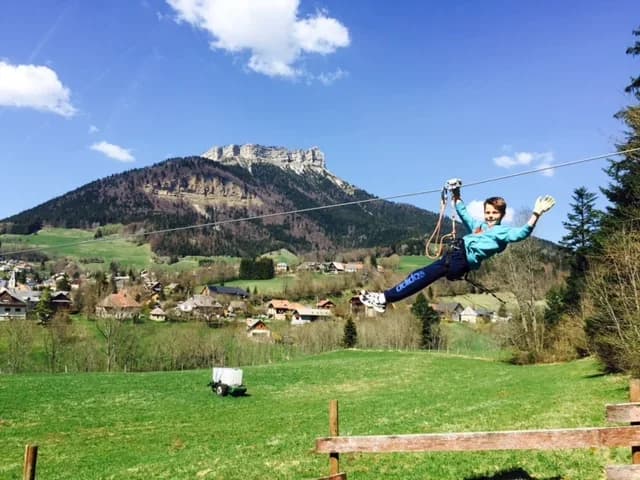
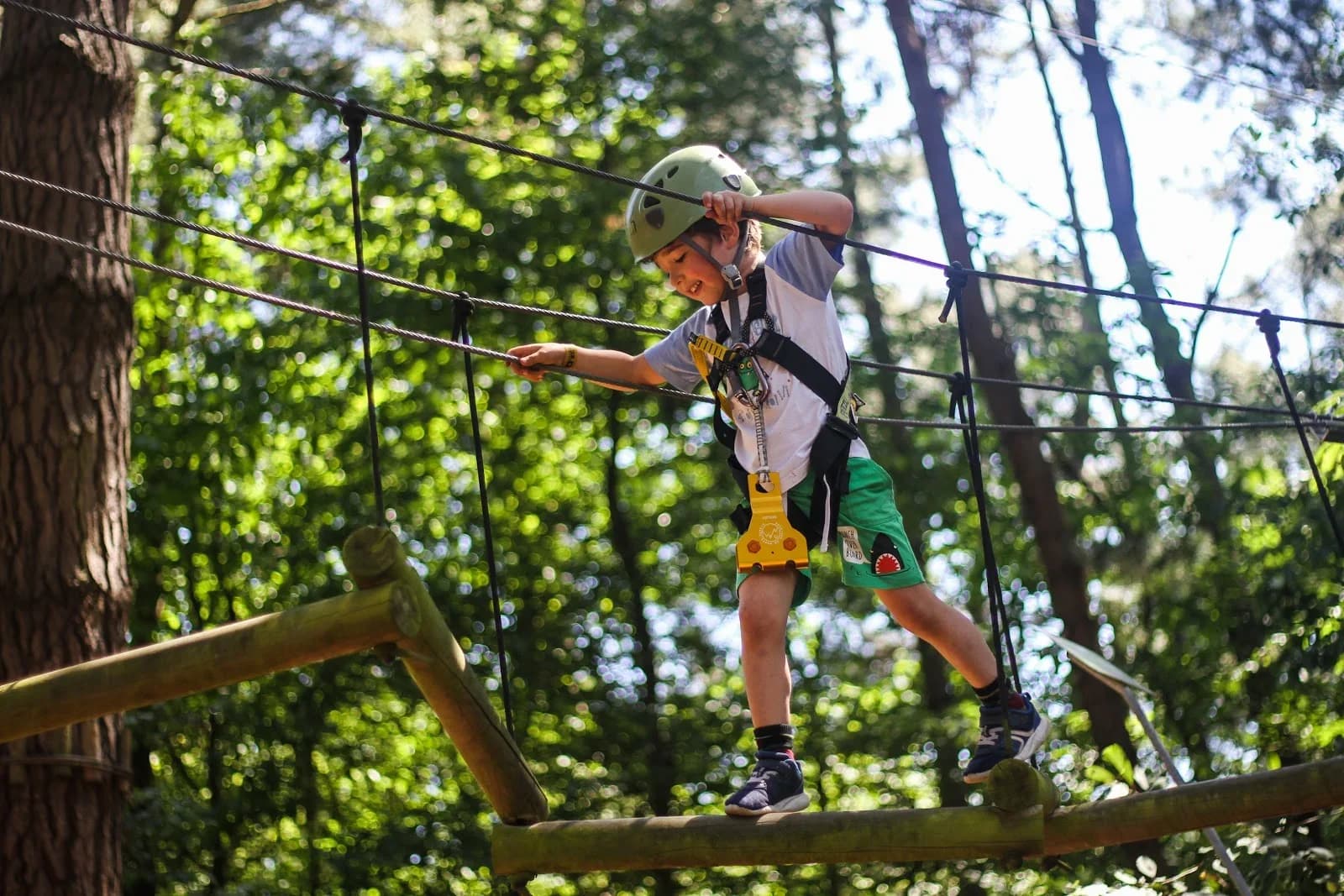
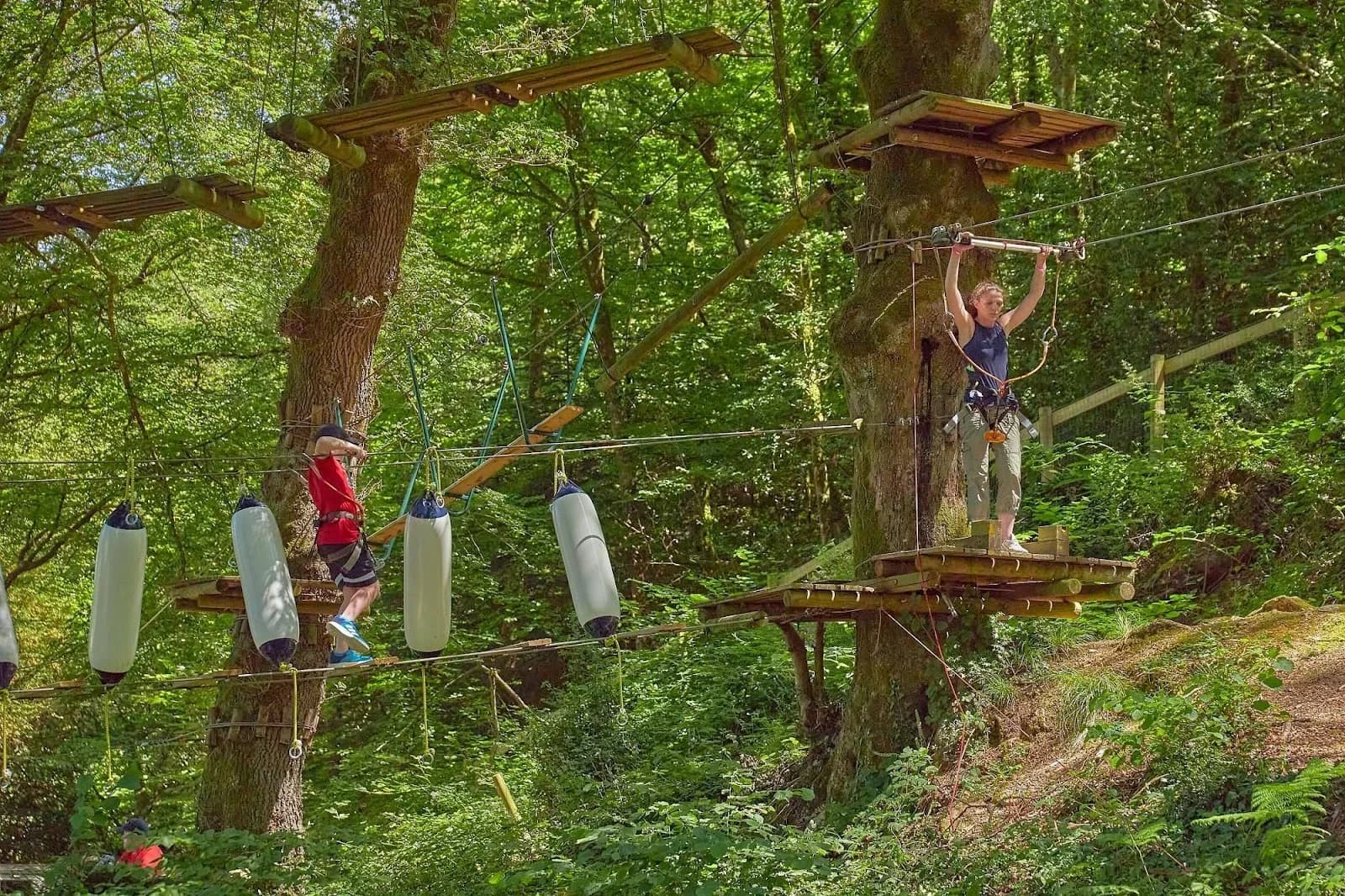
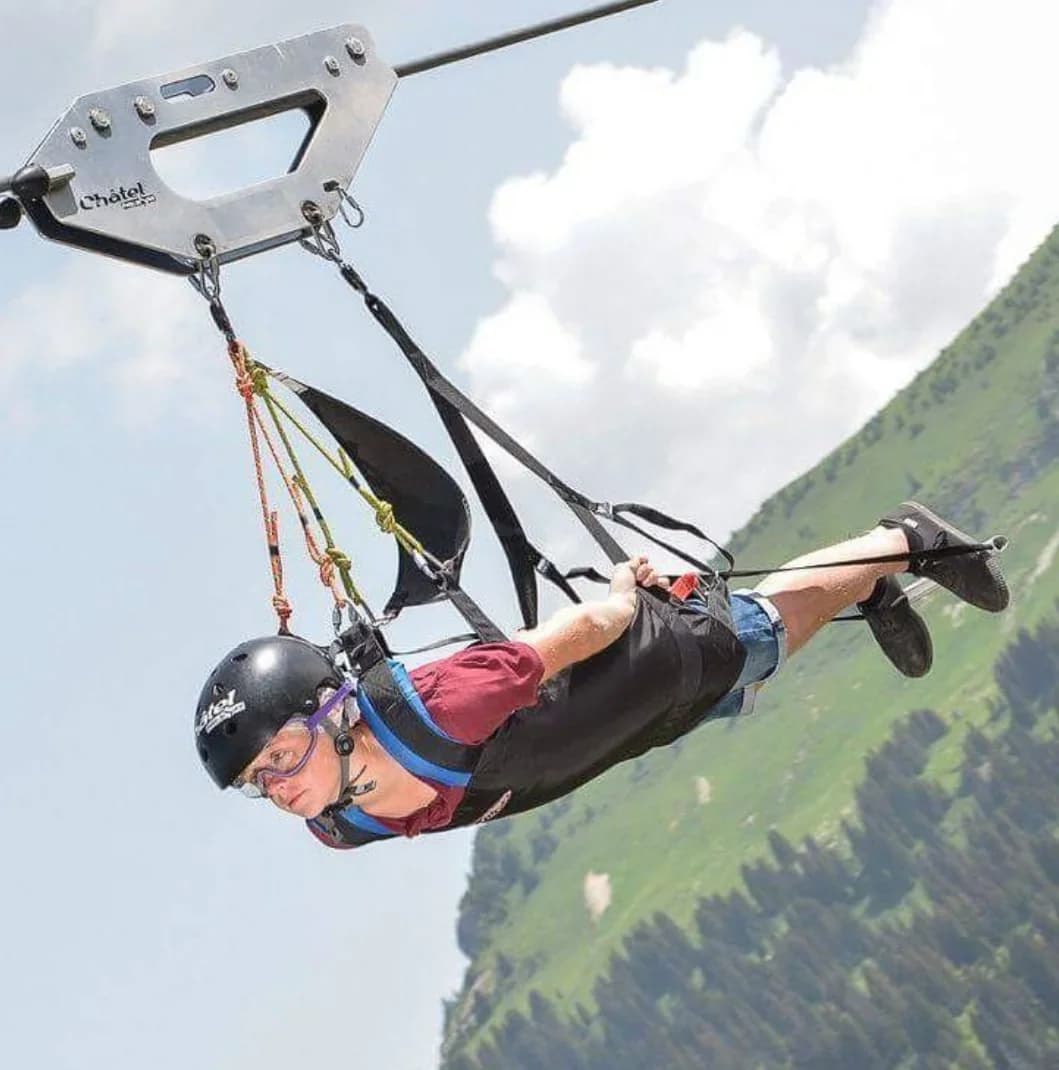
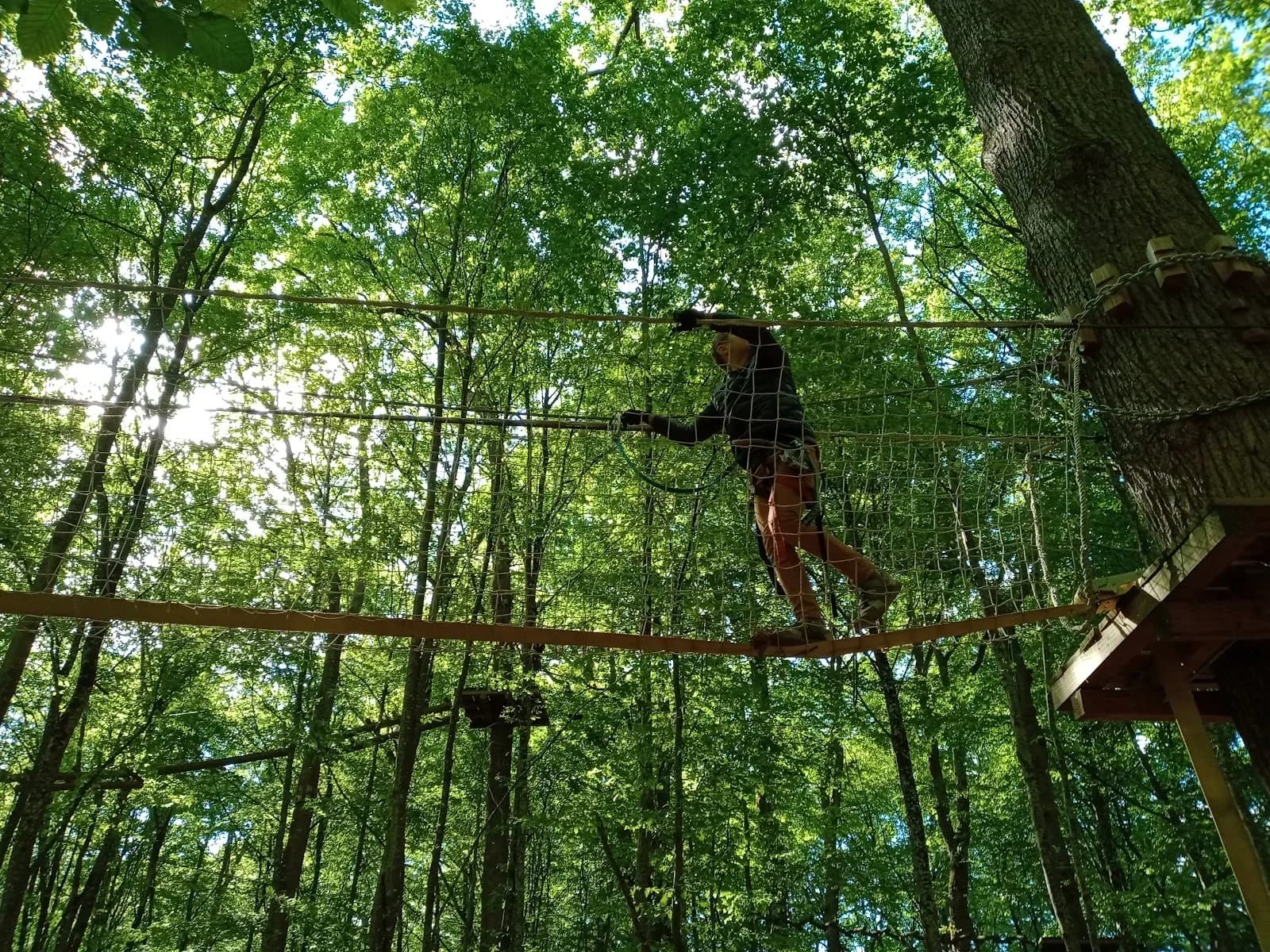
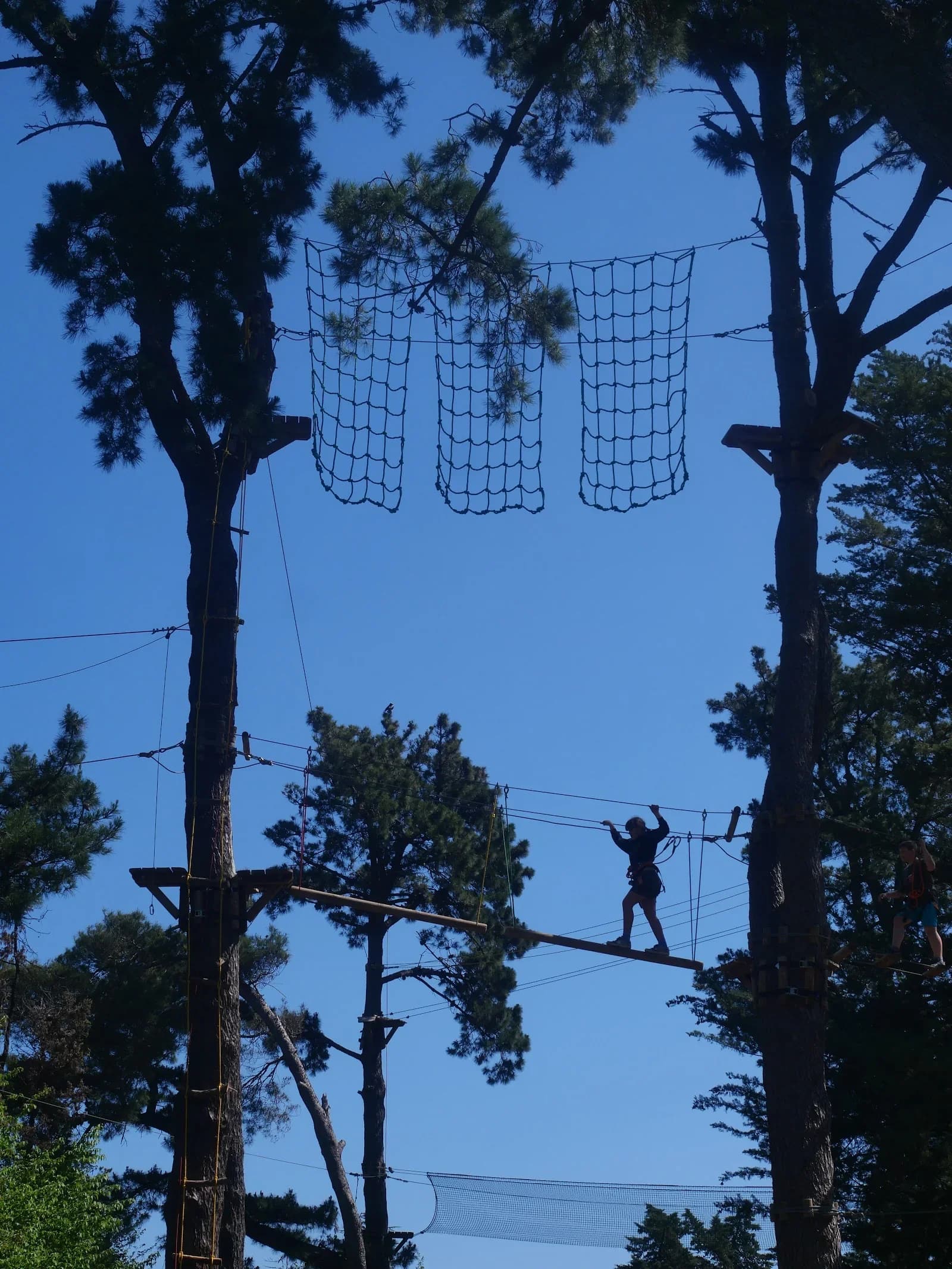
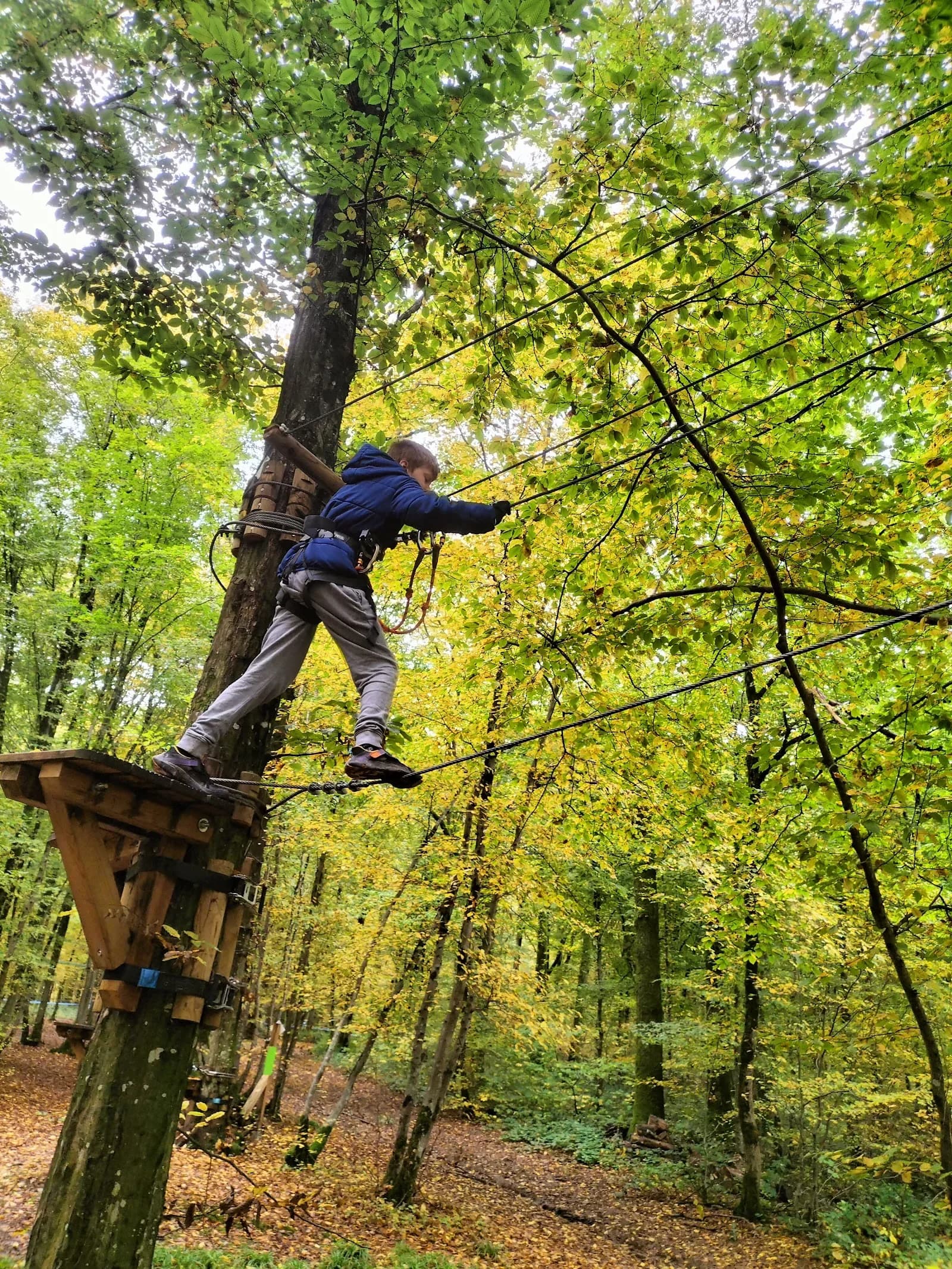
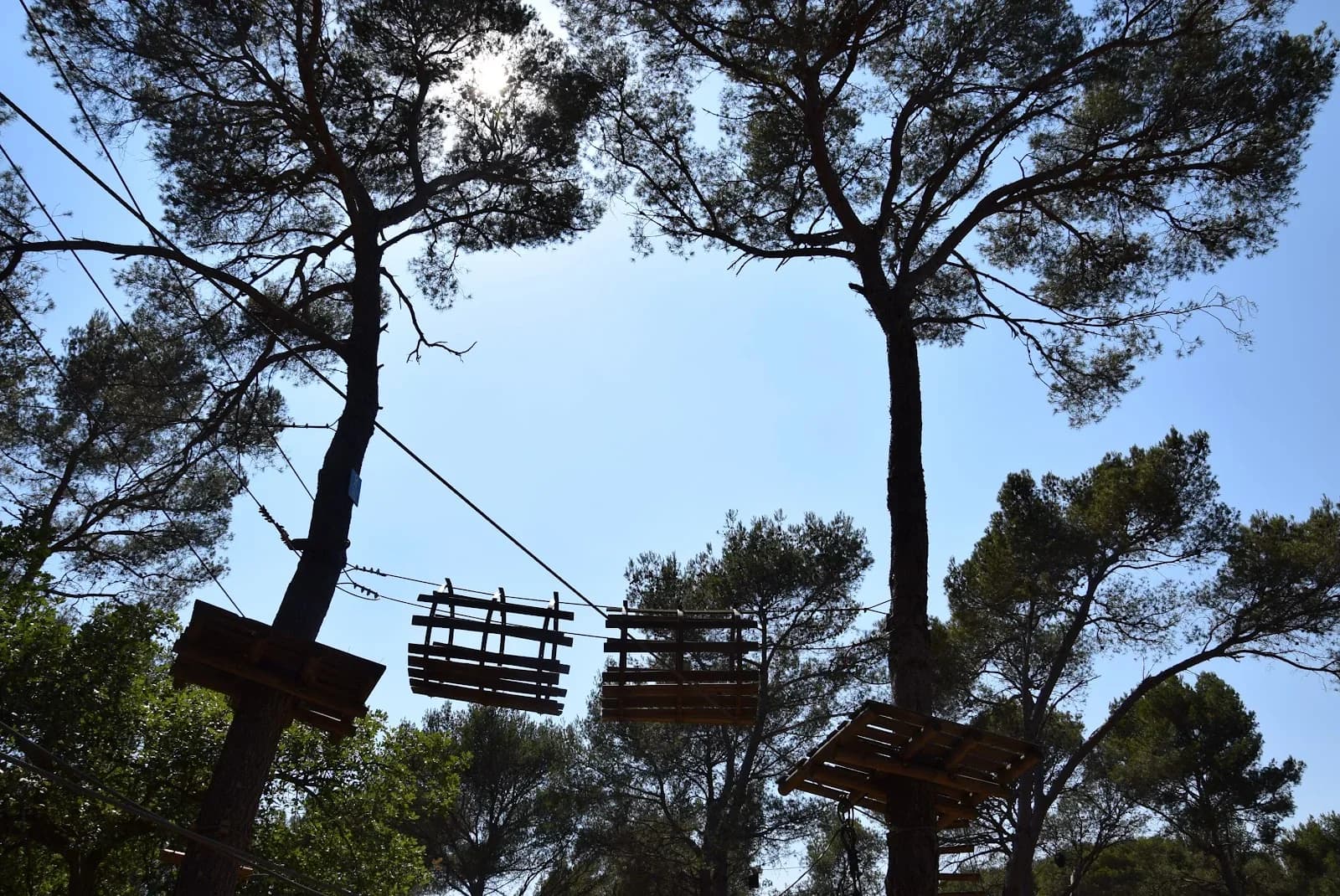
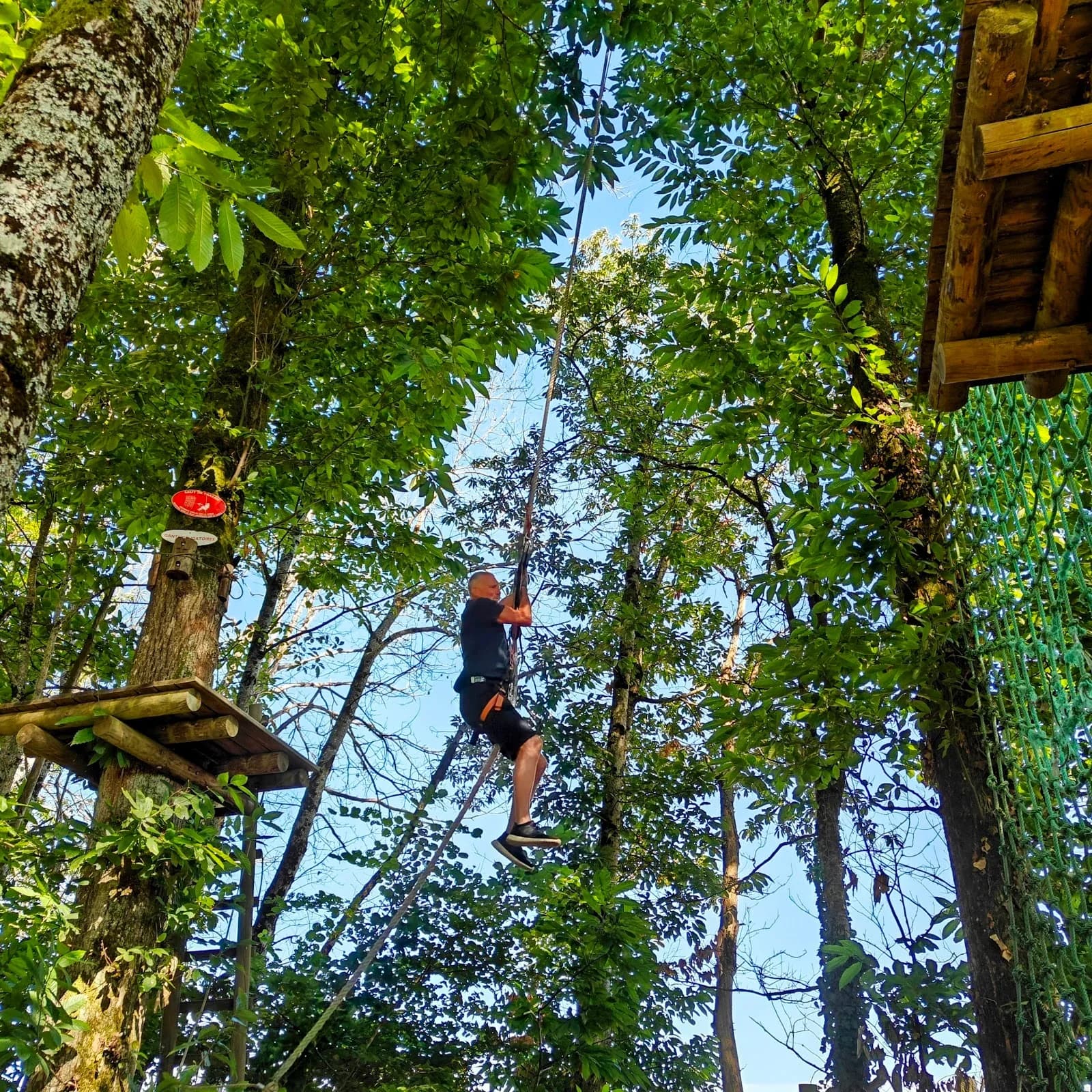
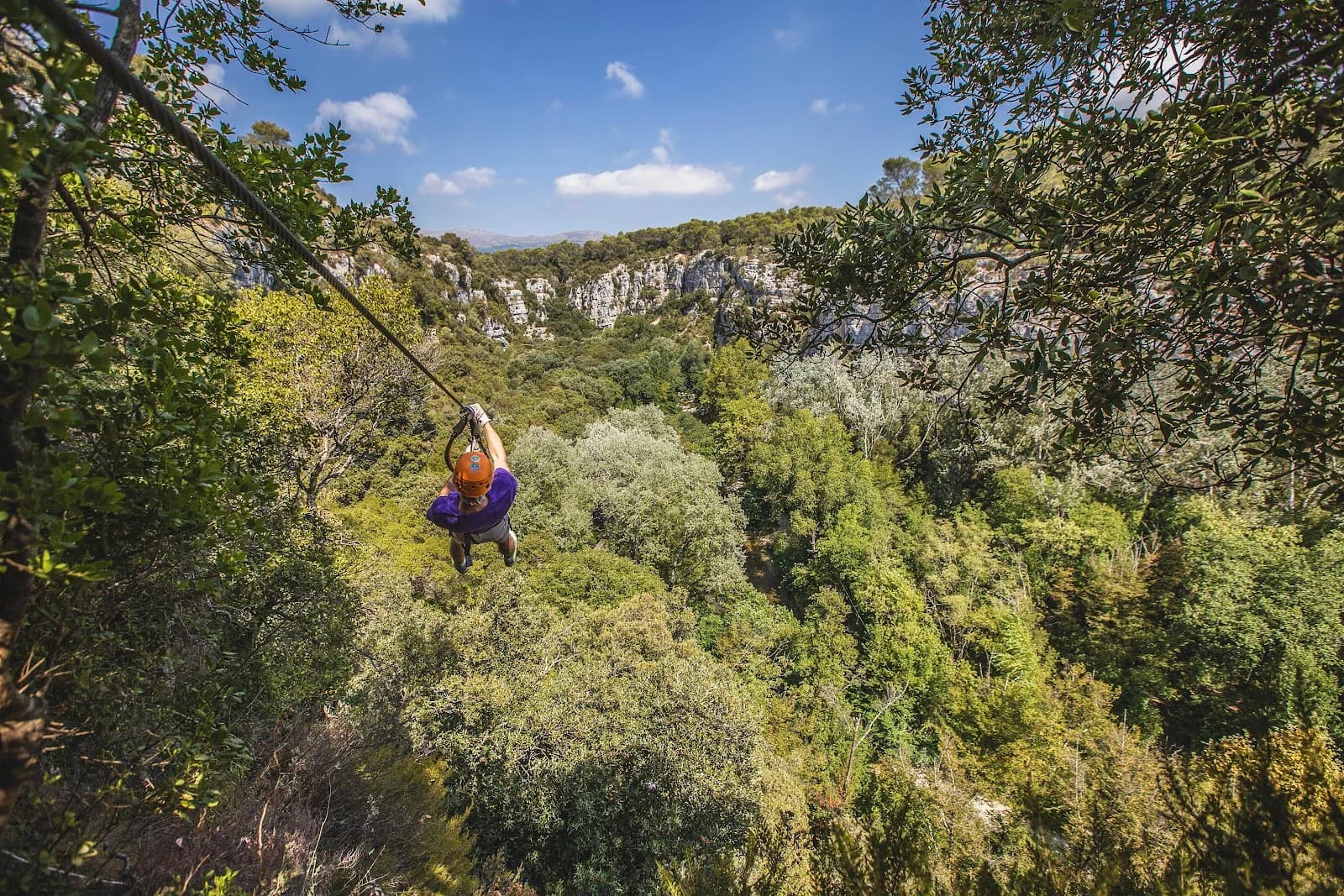
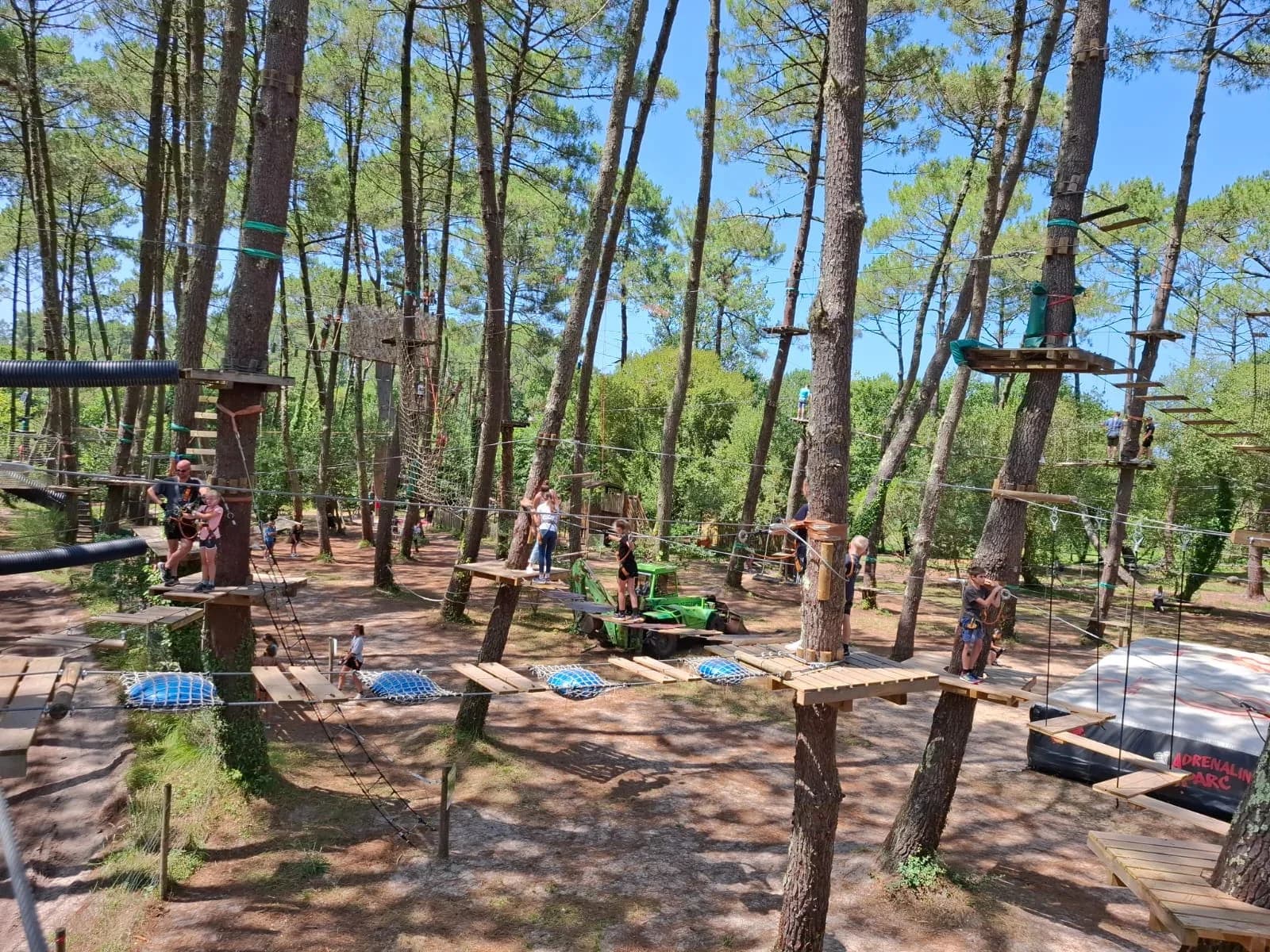
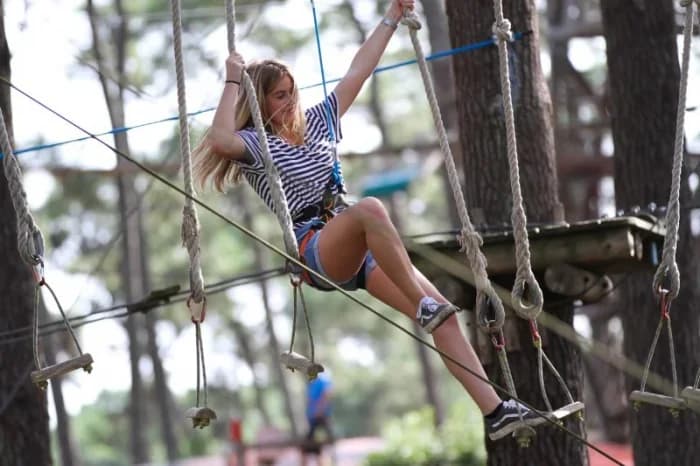
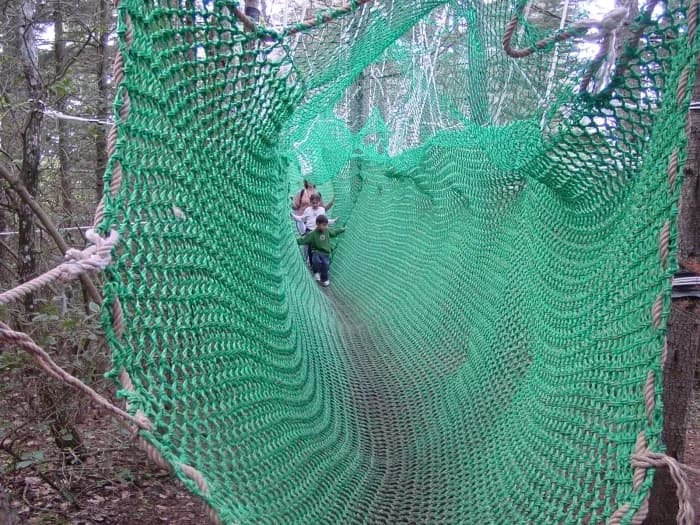
Tree climbing (accrobranche), or adventure courses, involves making your way from tree to tree across suspended obstacles - monkey bridges, nets, walkways and zip lines - while clipped to a continuous safety line. Born in French forests, the activity appeals to families and thrill-seekers alike, with courses graded from toddler level to expert. France has several hundred parks, ranging from small woodland sites to giants with dozens of courses.
It all starts with a safety briefing on the ground, where you learn to handle the carabiners and safety line. Next comes an introductory course at low height, to help you find your feet. You then choose your courses according to your level, each one combining obstacles and zip lines up to the next platform. Allow two to three hours on site for a medium-sized park, and longer for the larger ones. At most modern sites, a continuous safety line means you never need to unclip, removing any risk of a handling error.
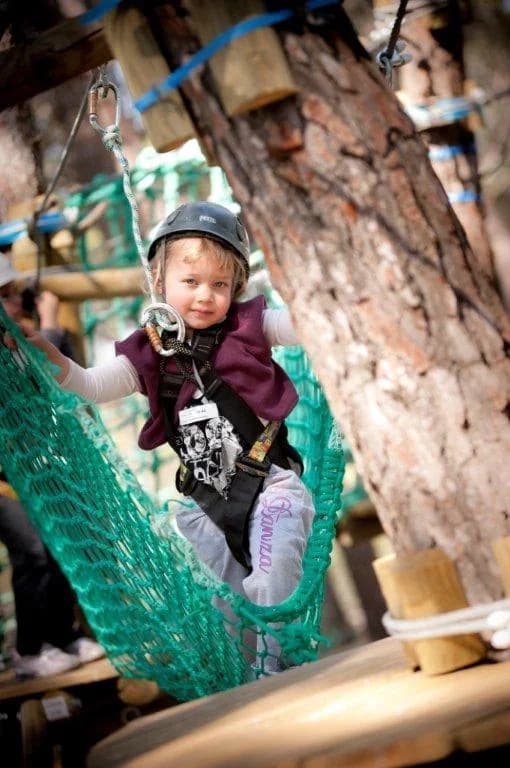
Tree climbing is open from age 3, on small, low-height structures, often without a harness and above safety nets. From around age 6 and a height of roughly 1.10m, children can access courses with a safety line and their first zip lines. The black courses, the highest and most demanding, generally require a height of 1.40m and a good deal of confidence. The colour-coding, from green to black as on ski slopes, indicates the difficulty: height, length and physical demands increase at each level. No experience is needed to get started.
The price depends on the number of courses and the length of access. Expect to pay on average €19 to €20 for a child and €25 to €30 for an adult for a full park, with smaller courses available from around €10. Many sites offer family rates and group or birthday party packages. Booking online in advance often brings the price down and guarantees a slot at weekends.
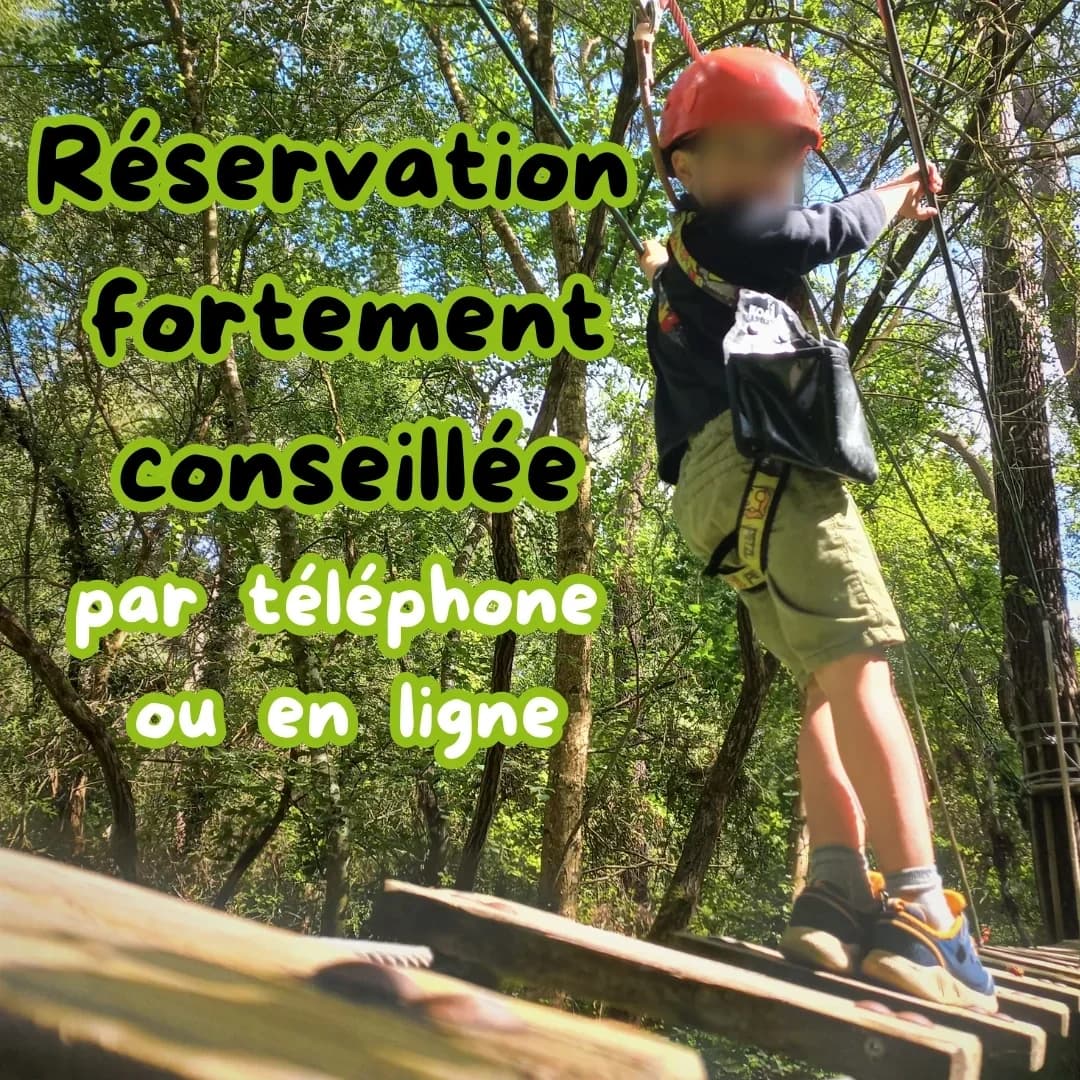
The season runs from March to November for most parks, open every day during school holidays and in summer, and at weekends for the rest of the year. Fine spring days and the September back-to-school period offer the best conditions: pleasant forest surroundings and moderate crowds. Booking is strongly recommended at summer weekends, when morning slots fill up fast.
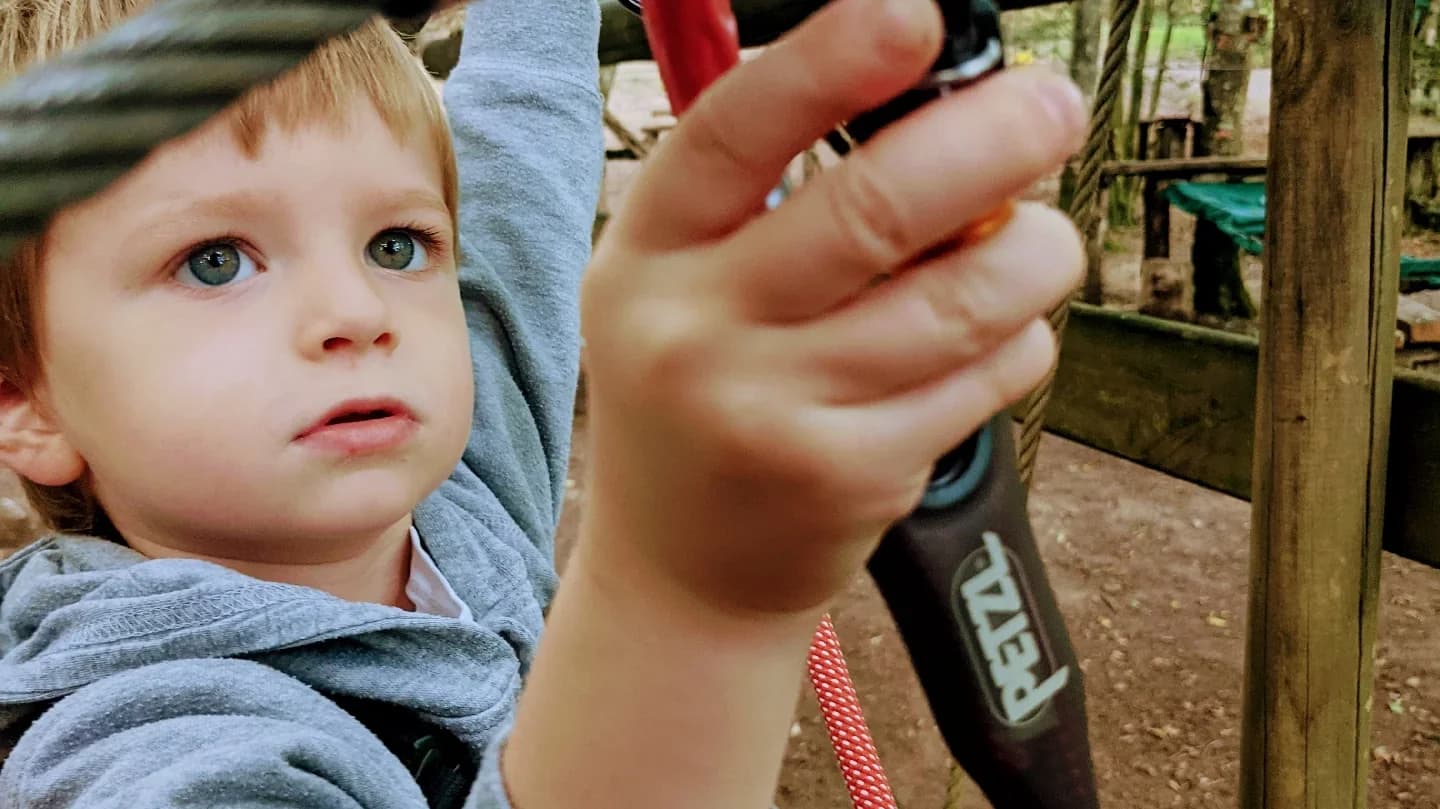
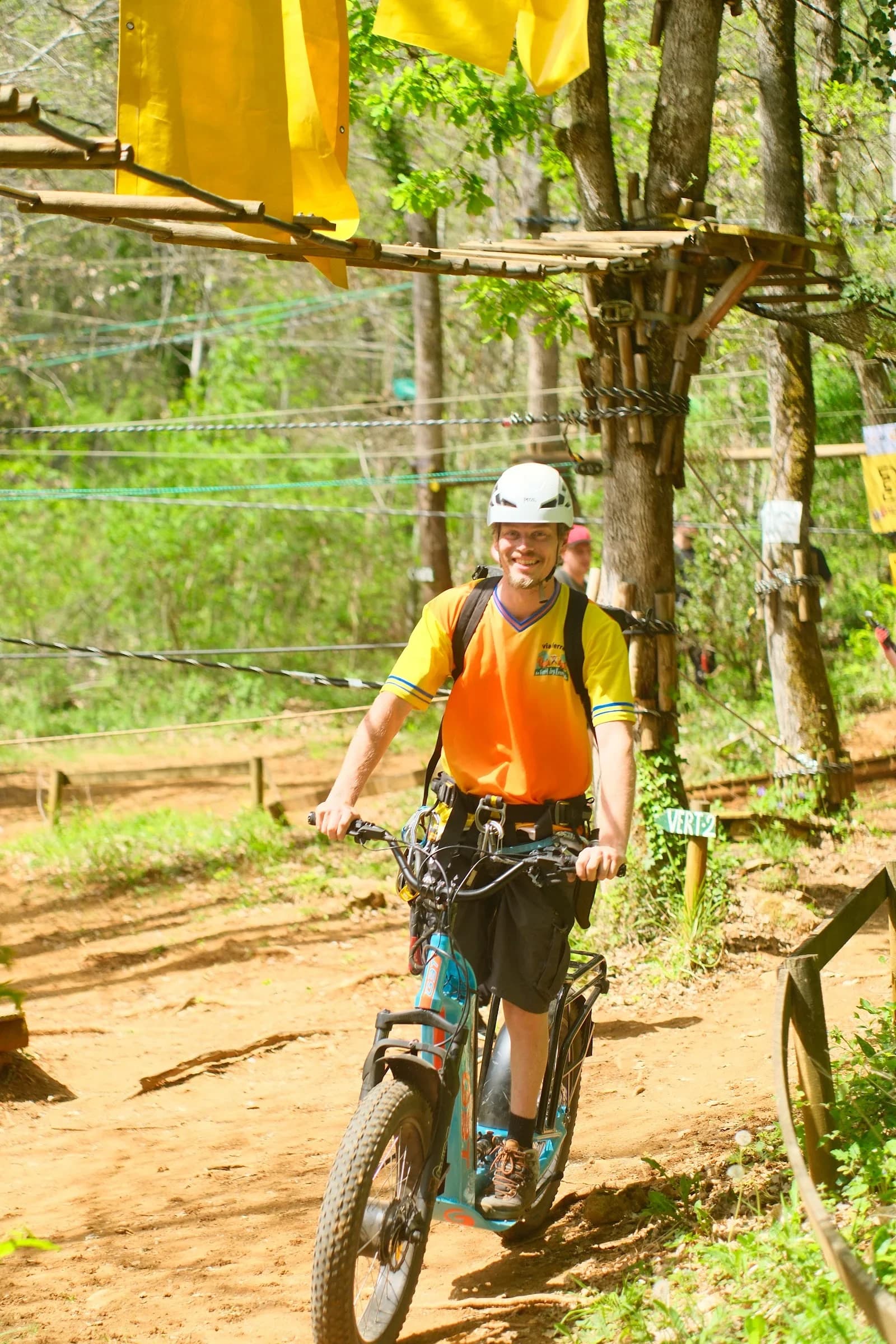
Tree climbing is a closely supervised activity. Equipment - harness, lanyards, pulley - is provided and checked on site, and an instructor is always present to keep an eye on the courses and step in if needed. At sites fitted with a continuous safety line, it is impossible to become fully detached. Wear loose-fitting clothing and closed shoes, and tie back long hair. Reputable parks display their compliance with the current safety standard, a mark of well-maintained equipment.
From the forests of the Paris region to the mountains of the South, every region has its adventure parks. Here are a few standout sites by area.
The Paris region is one of the best equipped, with the giant Sherwood Parc in Viarmes and its 40 courses, Aventure Floreval in Essonne, and Xtrem Aventures at the Cergy leisure island. All the sites in the Paris Region are listed in the directory.
In the mountains, Lioran Aventure, in the Cantal, combines tree climbing with volcanic scenery. Browse the parks of Auvergne and Rhône-Alpes, two areas rich in forests and high-altitude sites.
On the Atlantic coast, Indian Forest, in the Vendée, offers large courses set deep in nature. All the sites in Pays de la Loire are just a click away.
From the South-West to the Mediterranean coast, adventure parks make the most of pine forests and cork oak woodland. Explore the sites of Provence-Alpes-Côte d'Azur and Midi-Pyrénées to find the nearest park.


From age 3 on suitable courses, at low height and often without a harness. Courses with zip lines open up from around age 6 and 1.10m tall, while the most demanding black courses generally require 1.40m.
Expect to pay on average €19 to €20 per child and €25 to €30 per adult for two to three hours of access. Smaller courses start from around €10, and booking online often brings the price down.
Most parks open from March to November, every day during school holidays and in summer, and at weekends for the rest of the season.
No, it's a closely supervised activity. Equipment is provided and checked, an instructor watches over the courses, and the continuous safety line at modern sites makes it impossible to become fully detached.
Loose-fitting clothing, closed shoes, and long hair tied back. The harness, lanyards and pulley are provided and fitted on site.
Allow two to three hours at a medium-sized park, and up to half a day at larger sites with dozens of courses.
Availability and prices are indicative - confirmed at booking time.