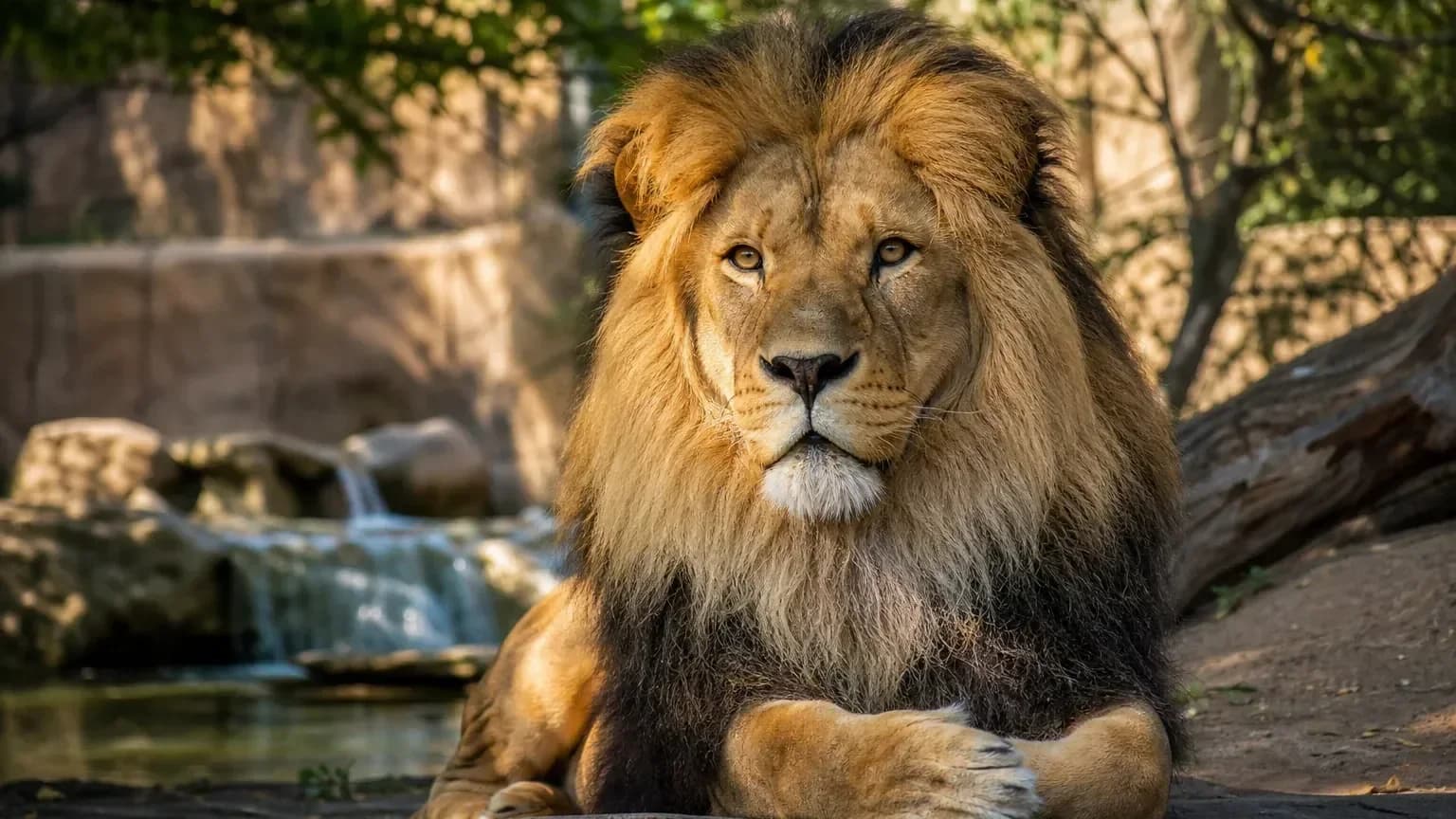
Opened more than fifty years ago, Faron Zoo is about to undergo a radical change of direction. On 13 October, Toulon City Council announced that the presence of big cats, such as lions, tigers and panthers, would no longer be tolerated.
Mayor Josée Massi said the park's management has been given twelve months to prepare the animals' departure and consider turning the site into an educational farm.
A decision taken without waiting for the results of the public consultation

The announcement comes after a public consultation had been launched to discuss the future of the animal park, located on Mont Faron. Despite expectations, the mayor chose not to wait for the results of that consultation before making a decision. During a meeting with the zoo's manager, she stated her wish to see the park evolve into a space dedicated to domestic animals, such as donkeys, goats and pigs.
Questions over the future of staff and the big cats
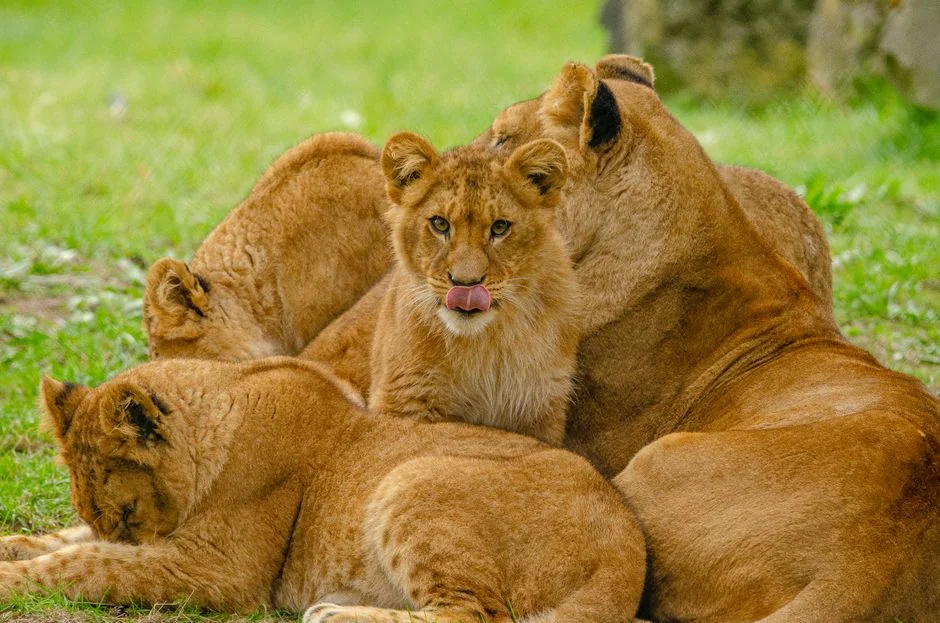
This shift raises many questions, particularly about the future of the zoo's six employees, as well as director Didier Jacquet, grandson of the park's founder. He declined to comment on the decision. Furthermore, the deadline set for relocating the big cats raises concerns about finding them places at other establishments. Sanctuaries able to take in these animals are rare, and transferring such animals is often complex, as the difficulties encountered when Marineland in Antibes closed have shown.
A chapter drawing to a close
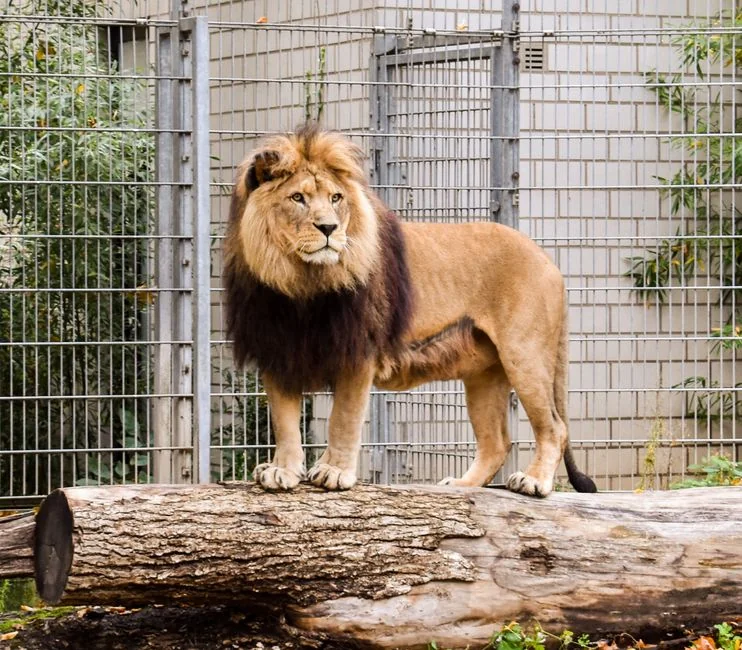
Faron Zoo, which covers 1.5 hectares, has been criticised by animal welfare campaigners over the size of its enclosures. This change of direction is part of a drive to modernise the site, which some consider "archaic". Ironically, on the very day of the announcement, the PAZ association reminded the mayor of her pledge not to renew the lease linking the Régie d'exploitation et de développement des installations touristiques du mont Faron with the zoo. Campaigners hope this decision will mark a turning point towards a more animal-friendly model.
Turning the zoo into an educational farm could meet growing demand for educational activities and awareness-raising about domestic wildlife. However, Didier Jacquet, asked about this possibility over the summer, had expressed doubts about the economic viability of such a project, arguing that many mini-farms already exist and that Faron Zoo has a history and reputation that deserve to be preserved.
With the council's tight deadline pointing to a tricky transition period ahead, the future of Faron Zoo and its residents remains uncertain, both for the animals and the staff. Toulon City Council appears determined to steer this landmark site towards a project that better meets contemporary expectations around animal welfare and education.