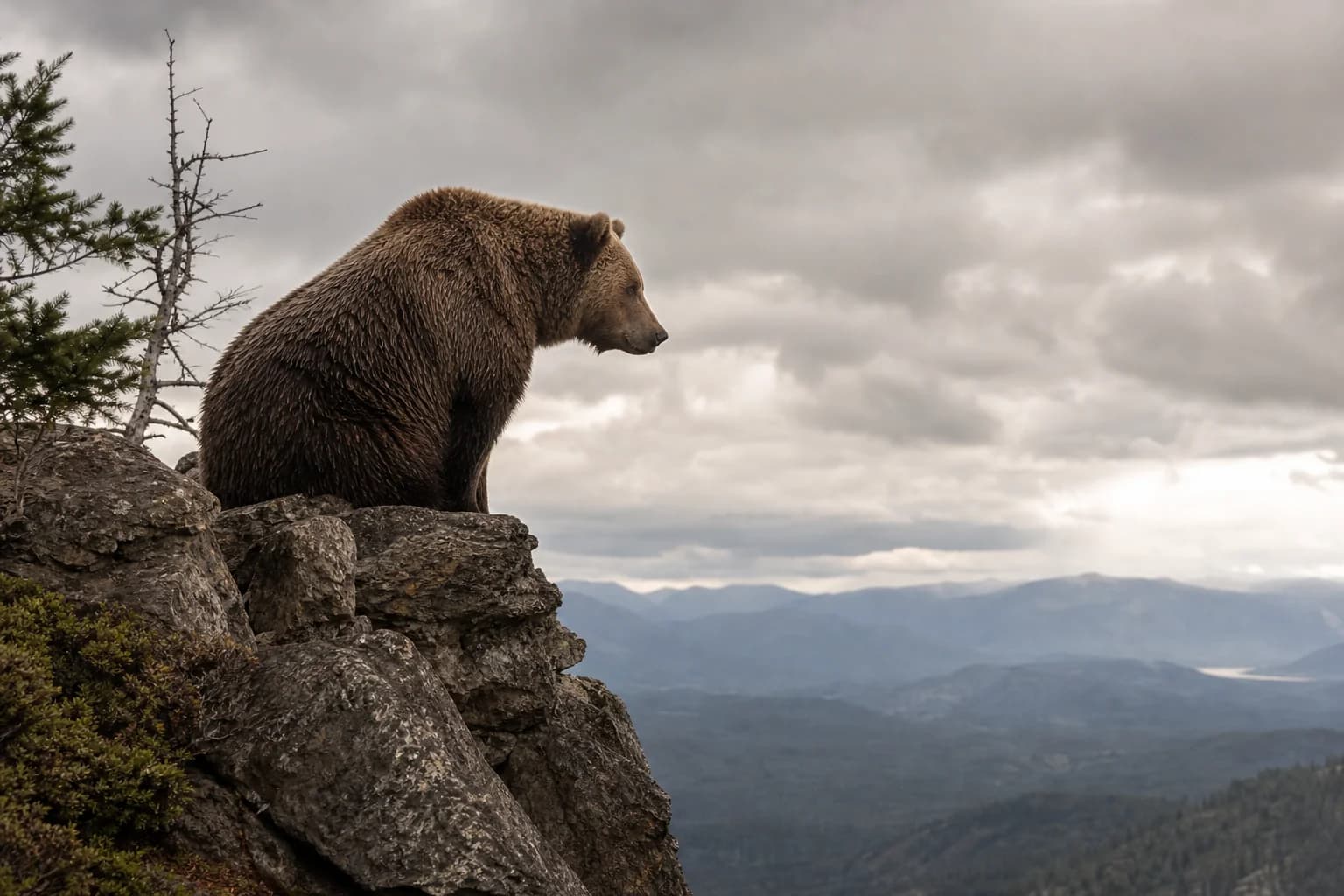
The tragic events that took place in early November near Bella Coola, in western Canada, have prompted wildlife protection services to take drastic action. Four grizzly bears, including a mother and her three cubs, were shot dead after being identified as responsible for the fatal attack on a mother and her daughter. The decision follows forensic analysis that established a link between the grizzlies and the incident.
An unexpected attack and its consequences
The two victims, whose bodies were found the previous week, had set out on a hike along a trail close to their home. The tragedy has raised questions about the bears' behaviour, which experts describe as "rare predatory behaviour". Authorities initially believed only one bear was involved in the attack, but DNA tests revealed that all four grizzlies had in fact been responsible.
A worrying context for safety
This is not the first time an incident of this kind has occurred in the region. In November the previous year, a school group was attacked by a bear, leaving eleven people injured, including several children. Authorities confirmed that tests carried out on the bears shot this time showed they were not connected to that earlier attack, but the incident highlights a potentially dangerous environment for hikers.
Autumn is a particularly tricky time for bears, as they try to build up fat reserves ahead of hibernation. This drive to find food can make them more aggressive and unpredictable. Rangers and wildlife experts are therefore reminding hikers of the importance of caution when venturing into the wild, especially in areas where encounters with wildlife are possible.
This tragic event highlights the complexity of interactions between humans and wild animals. Authorities continue to monitor the situation and assess the risks to ensure the safety of residents and visitors in this beautiful but sometimes perilous region of Canada.