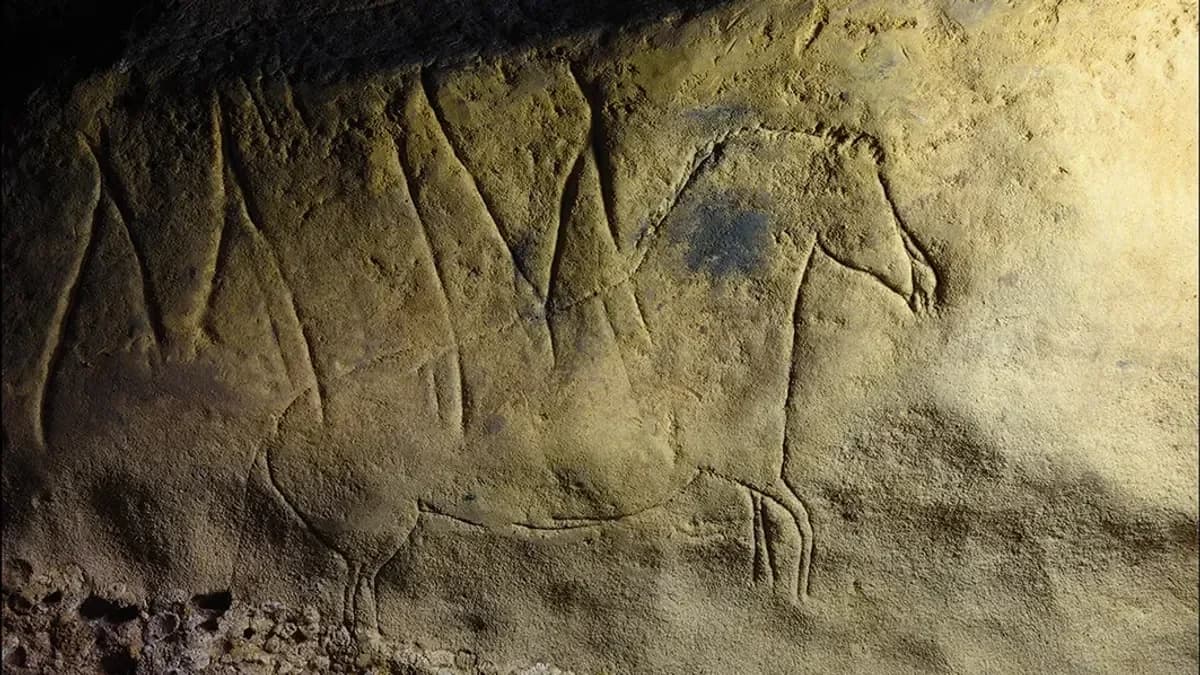
In the Cova de la Font Major, in L'Espluga de Francolí, Catalonia, researchers have recorded 280 prehistoric engravings, including 55 animals. At least 15,000 years old, they went unnoticed by thousands of visitors for decades. A study recently published in the journal Antiquity has just revealed their full extent.
280 engravings, including 55 animals, in plain sight
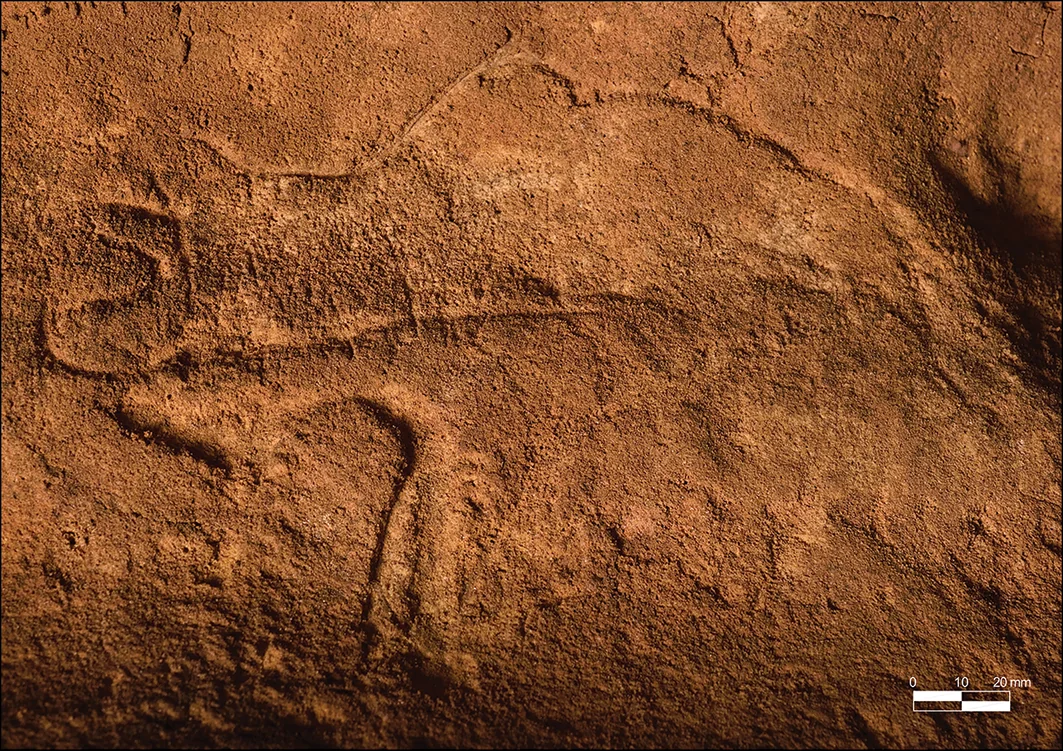
The treasure was there all along, within arm's reach. The cave houses 280 prehistoric engravings, including 55 identified animals: horses, goats, deer, cattle and even a bear, a rare subject in this kind of art.
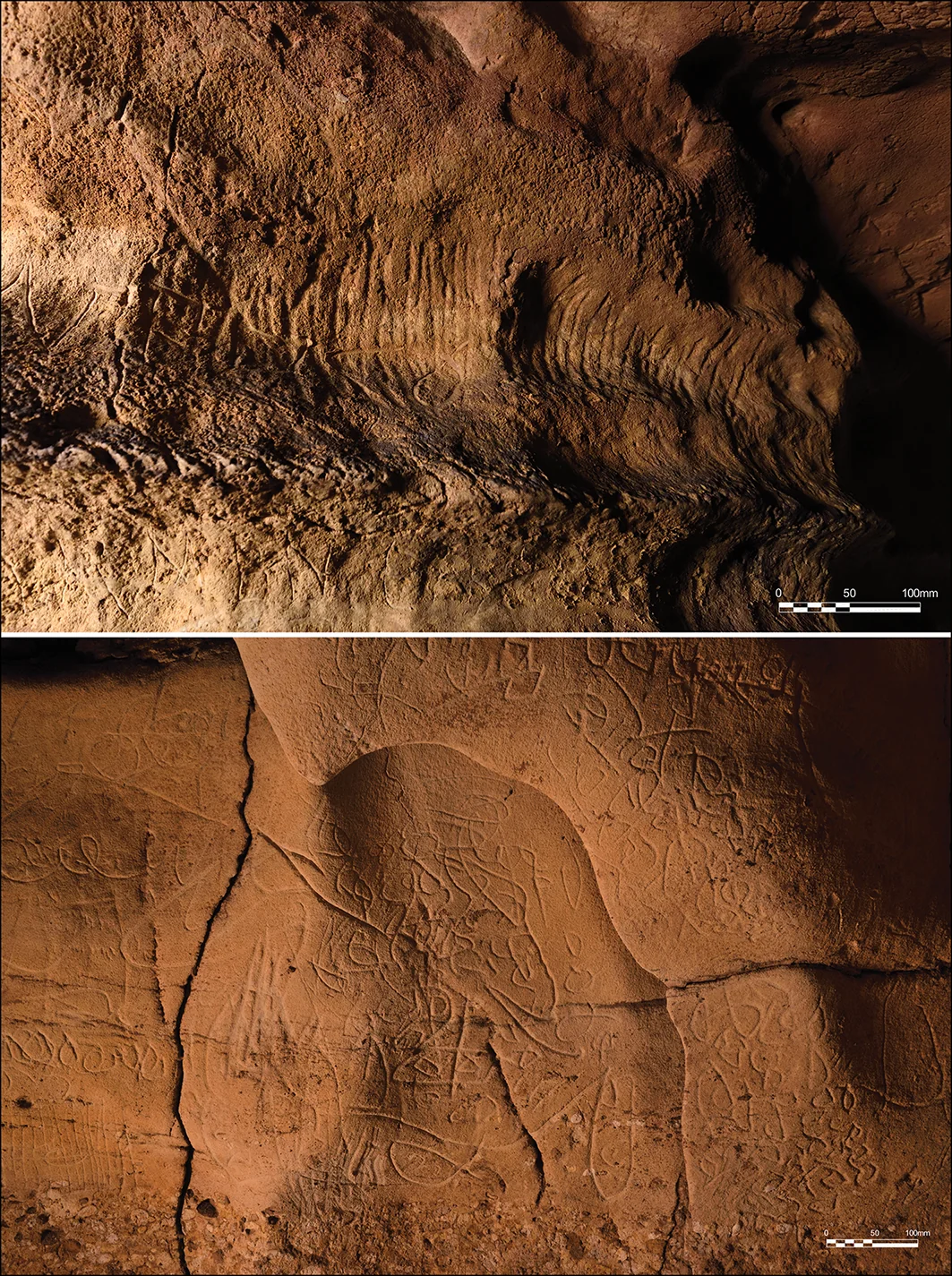
The most unsettling part? These drawings were hidden among modern graffiti. Visitors had touched the walls, some even carved their initials, with no idea what lay dormant beneath their fingers. Some figures are remarkably detailed: the bear, in particular, struck researchers with the fineness of its lines.
A chance discovery in 2019
No one was looking for it. It was in 2019, during an IPHES field campaign, that the engravings were spotted, under the direction of archaeologist Josep Maria Vergès. The find was unexpected: the team wasn't anticipating anything of the kind. It took years of study to grasp its full significance, culminating in a recent publication in the scientific journal Antiquity, carried out with the Rovira i Virgili University.
Why this cave is rewriting Catalan prehistory
The shift in scale is huge. Before this discovery, Catalonia had only two possible examples of Palaeolithic cave art. The Cova de la Font Major has suddenly become one of the great sanctuaries of Palaeolithic art in the Mediterranean region. Created at least 15,000 years ago, in the Upper Palaeolithic, these works put the region firmly on the map of European prehistory. Until now, Palaeolithic art had seemed almost entirely absent from this part of the Mediterranean, which is what makes the find so significant. The authorities are now set to classify it as a site of national cultural interest.
Viewing prehistoric art without damaging it
The story carries a lesson. If graffiti could cover works more than 15,000 years old, it's because these fragile traces are barely noticeable. The rule applies everywhere: look, don't touch. To explore the underground world while respecting these remains, head to France's caves and chasms, or take a walk in the great outdoors, and check out our ideas for days out this autumn.
For decades, thousands of eyes passed over these horses without seeing them: Catalonia's finest prehistoric gallery was simply waiting for someone to look up.